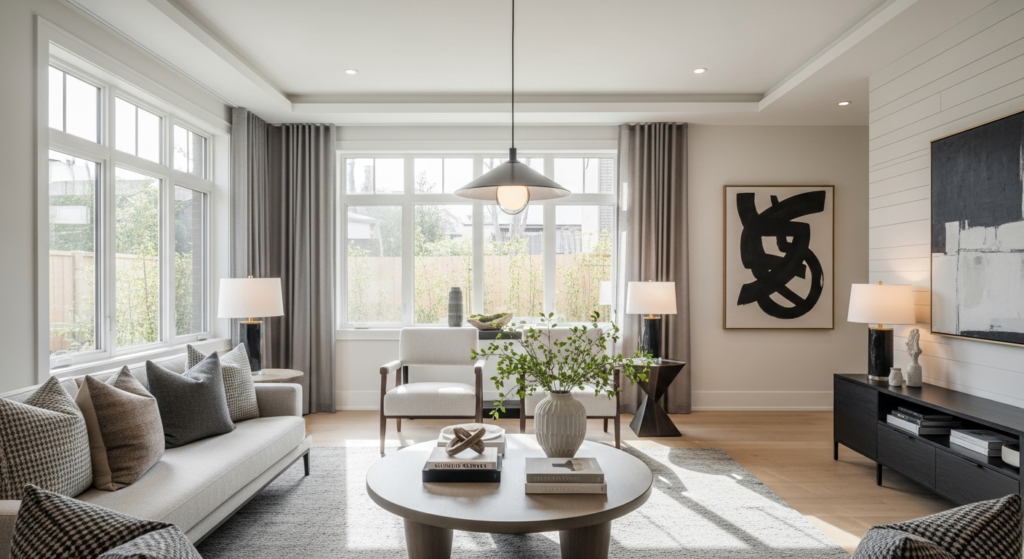
Introduction
The first impression a home makes is formed not in the living room or the kitchen but in the very first moment of crossing the threshold — and a sunroom entryway makes that moment extraordinary. Flooded with natural light, alive with plants, and rich with the textures of natural materials, it transforms the act of arriving home into something genuinely beautiful.
A sunroom entryway is more than a practical solution to the question of where to put coats and keys. It is a spatial philosophy — a commitment to the idea that the transition between outside and inside should be as considered, as light-filled, and as sensory as any room in the home. It says, from the very first step, that this is a home that has been designed with intention.
These 13 sunroom entryway ideas span architecture, materials, plants, lighting, and furniture — offering a complete picture of how to create an entry space that functions beautifully in every practical sense while delivering the bright, generous first impression that every home deserves. Whether you are planning a new build, a renovation, or a considered refresh of an existing space, these ideas provide both inspiration and practical direction.
1. Install Floor-to-Ceiling Windows for Maximum Natural Light
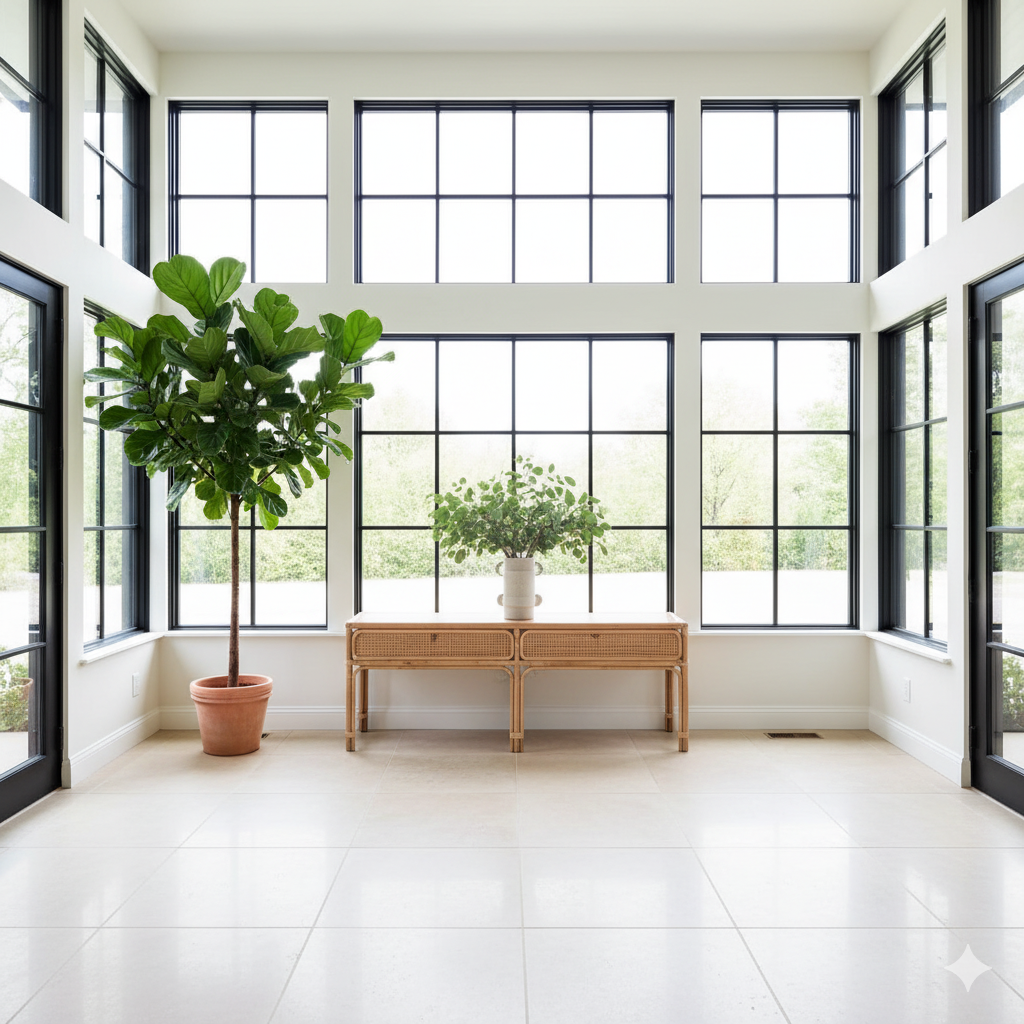
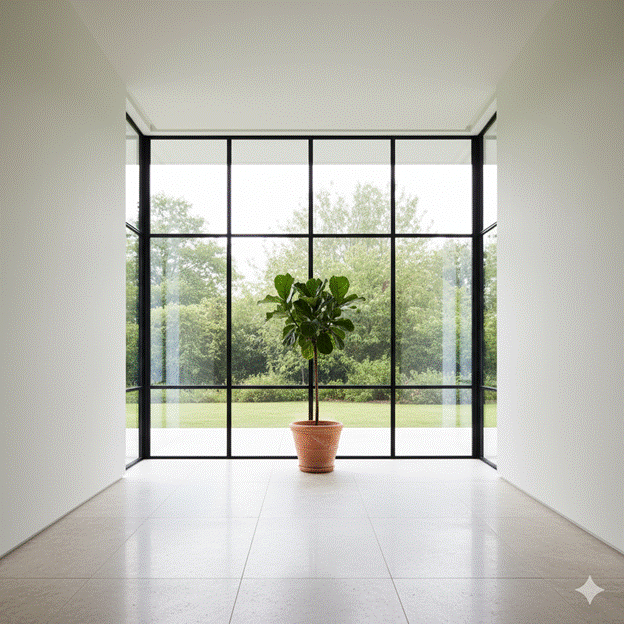
Nothing defines a sunroom entryway more completely than the quality and quantity of its natural light — and floor-to-ceiling windows are the architectural investment that delivers both most powerfully. They dissolve the visual boundary between interior and exterior, flood the entry space with morning and afternoon light, and create an immediate sense of arrival that no artificial lighting scheme can replicate.
Beyond their light-gathering function, floor-to-ceiling windows give a sunroom entryway genuine architectural presence. The structural confidence of a glazed wall, framed in slim powder-coated steel or natural timber, communicates that this is a designed space rather than simply a transitional corridor. It announces, with beautiful clarity, that the home beyond is one that values light, openness, and the relationship between inside and out.
Styling Tip: Choose windows with a low-e glass coating to maximise light transmission while minimising heat gain in summer and heat loss in winter. This thermal efficiency allows floor-to-ceiling glazing to remain uncovered year-round — no curtains or blinds to interrupt the light or the view.
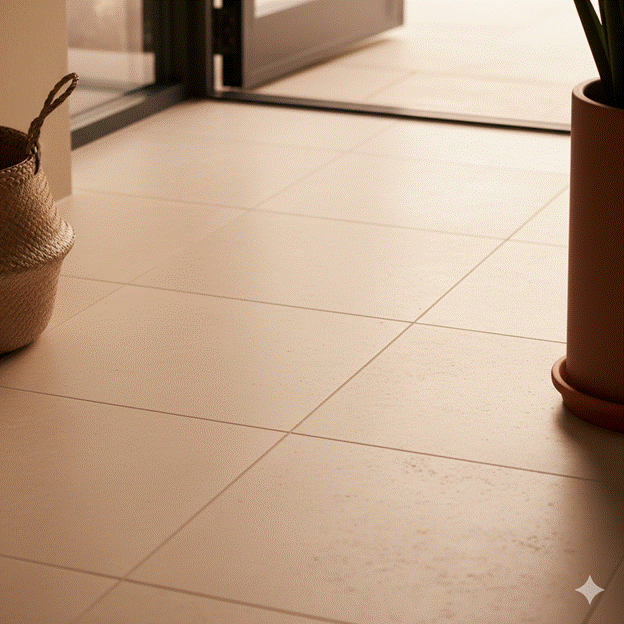
2. Lay Natural Stone or Large-Format Tile Flooring
The floor of a sunroom entryway sets the material register for everything above it — and natural stone or large-format tile is the choice that delivers the most enduring elegance. Limestone, sandstone, slate, or large-format porcelain tiles in warm neutral tones ground the brightness of a glazed entry space with a material quality that feels genuinely considered and grows more beautiful with age.
Large-format tiles — those measuring sixty by sixty centimetres or larger — have the additional benefit of minimising grout lines, which creates a more seamless surface that reflects light evenly across the floor plane. In a sunroom entryway where natural light is the defining feature, this uninterrupted floor surface amplifies the brightness and spaciousness of the room significantly.
Styling Tip: Install underfloor heating beneath stone or large-format tile in the sunroom entryway — the combination of cool, hard flooring and the warmth rising from below creates a sensory welcome that is genuinely luxurious. Stone retains and distributes heat particularly well, extending the warmth efficiently after the heating cycles off.
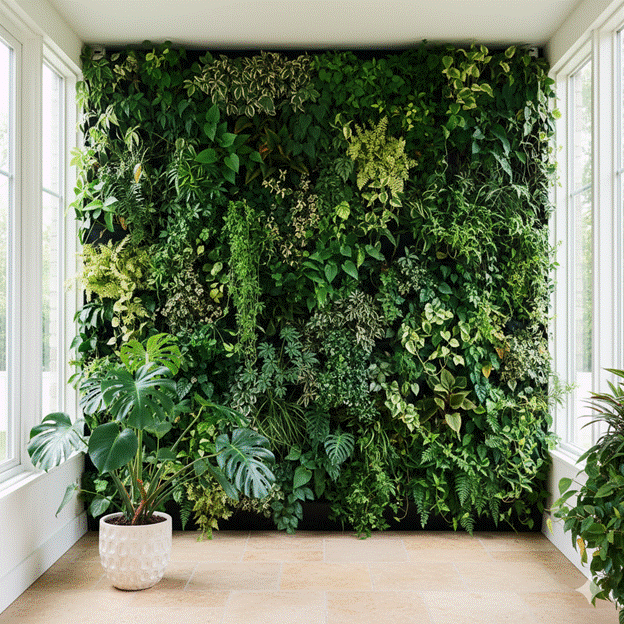
3. Introduce Indoor Plants and a Vertical Green Wall
A sunroom entryway filled with natural light is one of the most ideal environments in any home for indoor plants — and using this opportunity to introduce abundant greenery transforms the space from a functional transition zone into a genuinely immersive experience. Tall architectural plants such as fiddle-leaf figs, olive trees, and large-leafed monstera turn corners of the entry into living focal points of real visual drama.
For the most impactful result, consider a vertical living wall on one side of the sunroom entryway — a modular planting system filled with trailing pothos, ferns, and small-leafed tropical varieties that creates a floor-to-ceiling curtain of green. The living wall acts simultaneously as a decorative element, an air quality improver, and a sound absorber — making the entry space feel like an indoor garden as much as an architectural threshold.
Styling Tip: Position the tallest, most architectural plants at the corners of the sunroom entry where they frame the view through to the interior without blocking light pathways across the space. Low, mounding plants work beautifully at floor level beside seating or along the base of glazed walls, adding foreground interest without visual clutter.
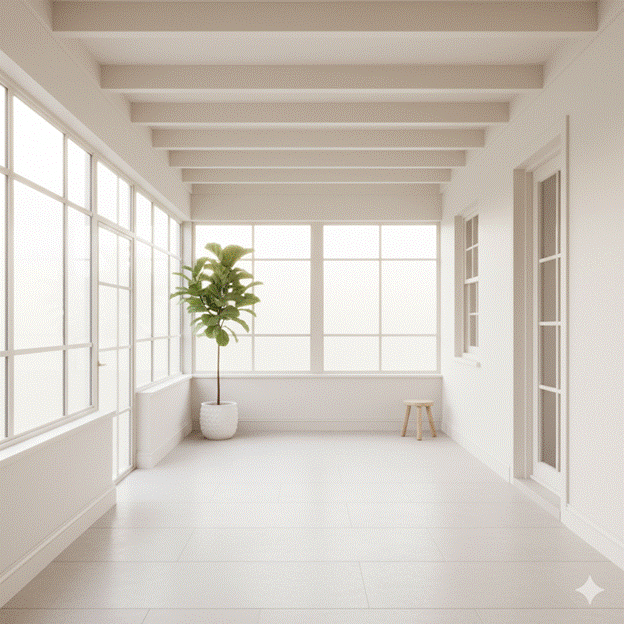
4. Choose a Pale, Light-Reflective Colour Palette
Colour has a transformative effect on the perceived brightness and spaciousness of a sunroom entryway — and a pale, light-reflective palette maximises both qualities with elegant restraint. Warm whites, soft limestone tones, pale sage, and barely-there blush all work beautifully in this context, bouncing natural light around the walls and ceiling to create a space that feels genuinely luminous rather than simply pale.
The choice between a warm or cool white is particularly important in a sunroom entryway where the colour of the incoming natural light changes throughout the day. Warm whites with undertones of cream or yellow complement morning and afternoon sun beautifully; cool whites with faint blue or grey undertones read most elegantly in overcast north-facing rooms or in climates with clear, bright light.
Styling Tip: Test paint colours at large scale — a minimum A3 sample — and observe them at different times of day and in different weather conditions before committing. The colour of a sunroom entryway wall changes substantially between the golden light of morning and the cool grey quality of a cloudy afternoon, and the right choice should look beautiful in both.
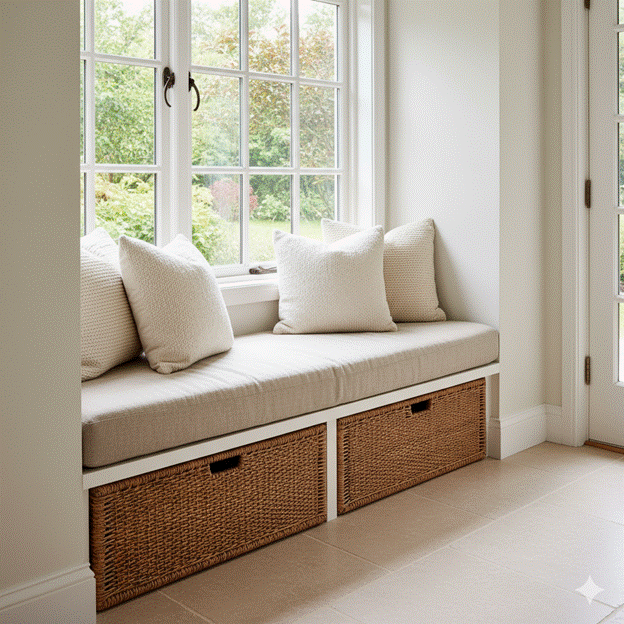
5. Add a Statement Bench or Window Seat
A sunroom entryway gains enormous functional and aesthetic value from the addition of a bench or window seat — a place to sit while removing shoes, to rest a bag while unlocking the door, or simply to pause and enjoy the quality of light that makes this space so special. At its best, the entryway bench is not merely a functional concession but a designed piece that anchors the space with furniture-quality presence.
A window seat built into the glazed wall of a sunroom entryway — padded with outdoor-grade or performance fabric in a neutral linen or textured weave and finished with a row of cushions — creates a place of genuine repose as well as practical utility. It draws the eye toward the window and the view beyond, reinforcing the inside-outside connection that defines the sunroom aesthetic.
Styling Tip: Build storage into the bench if possible — drawers beneath the seat or hinged lid access create valuable space for shoes, seasonal accessories, and outdoor items. In an entryway where storage is limited, a bench with built-in concealed storage resolves the room’s most pressing functional challenge while adding a piece of quality furniture.
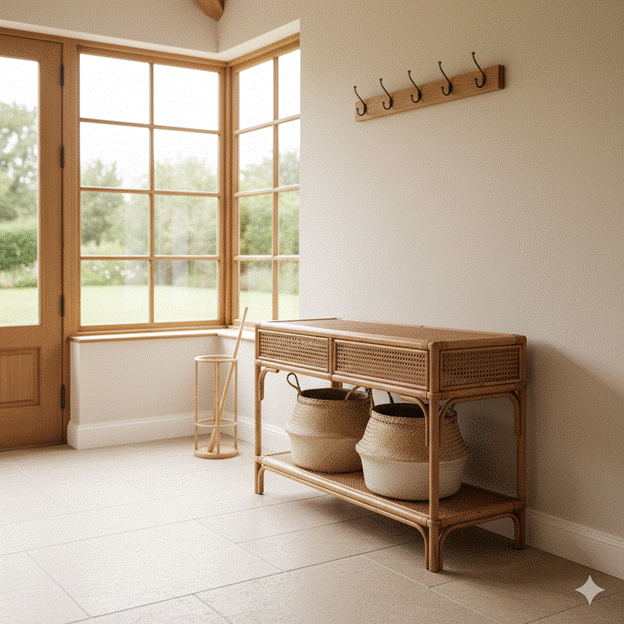
6. Install Rattan or Natural Material Furniture and Accessories
The sunroom entryway calls for furniture and accessories that echo the natural, light-filled quality of the space — and rattan, woven seagrass, bamboo, and natural timber fulfil this role with an elegance that synthetic or heavily upholstered pieces rarely achieve. These materials bring texture, warmth, and an organic honesty to the entry that feels entirely coherent with the botanical setting.
A rattan console table with an open shelf for baskets, a woven seagrass mirror frame, a bamboo umbrella stand, or a natural timber coat rack — each of these pieces introduces the textures and tones of the natural world in a material vocabulary that belongs perfectly in a light-saturated sunroom environment. They also age gracefully, developing character rather than showing wear.
Styling Tip: Layer natural materials at different scales — fine-woven rattan for a mirror frame, chunky weave for a basket, smooth-grained timber for a console surface. This variety of texture within the same natural material family creates the kind of depth and richness that makes a space feel genuinely designed rather than simply furnished.
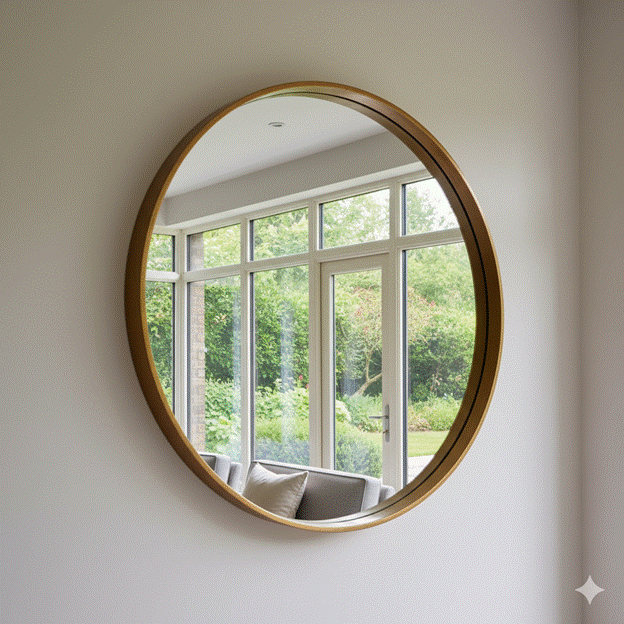
7. Hang a Large Mirror to Amplify Light and Space
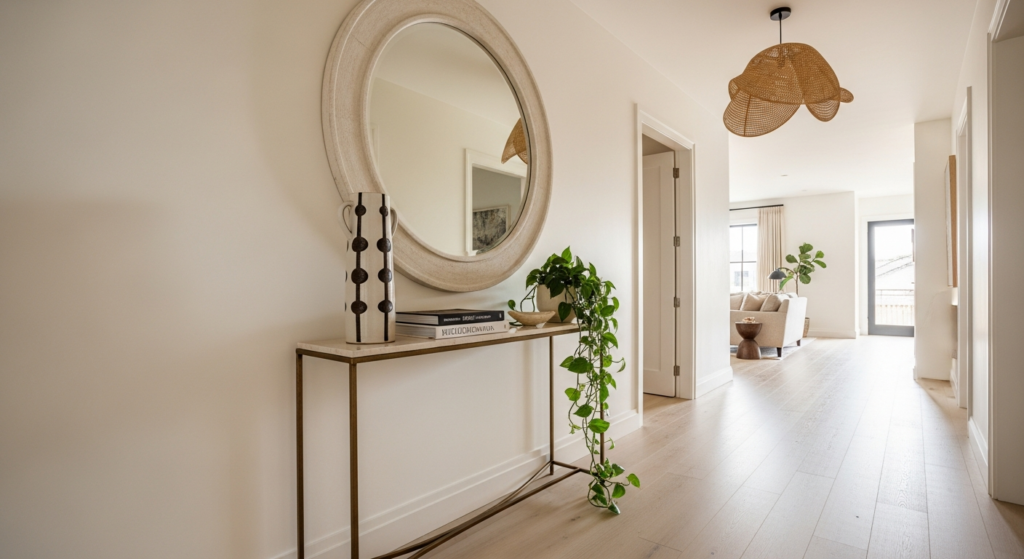
A well-placed mirror is one of the most powerful tools available in sunroom entryway design. Positioned on the wall opposite or adjacent to the primary glazing, a large mirror catches and reflects natural light across the entire room, effectively doubling the brightness of the space and creating a sense of depth that makes a compact entryway feel significantly more expansive.
The mirror itself should be chosen as carefully as any piece of art — its frame, scale, and placement all contribute to the overall aesthetic of the entry. An oversized circular mirror in a warm brass or antique gold frame creates a focal point of both functional and decorative authority. A floor-length leaning mirror in a slim natural timber frame adds casual, editorial elegance. A gridded pane mirror in a black steel frame introduces an industrial-meets-botanical contrast that reads beautifully in contemporary sunroom settings.
Styling Tip: Position the mirror at a height where it reflects the most visually interesting element of the room — ideally a view of the garden or greenery through the windows, or the light quality of the sky above. A mirror that reflects light and nature rather than a blank wall or the ceiling multiplies the beauty of the space rather than simply its brightness.
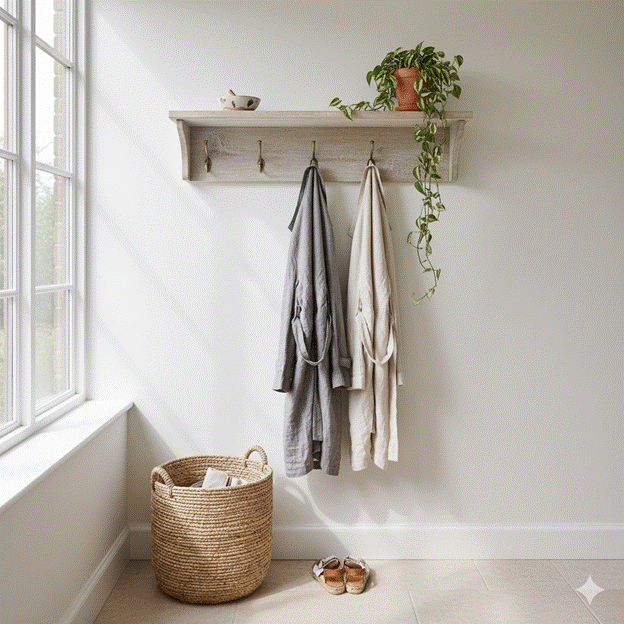
8. Create a Functional Drop Zone with Elegant Storage
Every entryway — sunroom or otherwise — must solve a practical problem: where do keys, bags, coats, and shoes live when they arrive in the home? In a sunroom entryway, the solution must be aesthetically coherent with the light-filled, nature-adjacent character of the space, which rules out the heavy, dark furniture that serves this function in more traditional entries.
A wall-mounted system of hooks, narrow shelving, and woven baskets in natural materials creates a storage solution that is organised, beautiful, and entirely in keeping with the sunroom aesthetic. A floating shelf at height for keys and a small bowl for pocket items, hooks in aged brass or matte black for coats, and a low open basket for shoes keeps the floor clear and the visual noise minimal.
Styling Tip: Edit ruthlessly. The drop zone in a sunroom entryway should hold only what is used daily — anything else should be stored elsewhere. A beautiful entry storage solution that is overloaded with coats, bags, and seasonal clutter loses its aesthetic quality entirely. Restraint in what is stored here is as important as the quality of the storage itself.
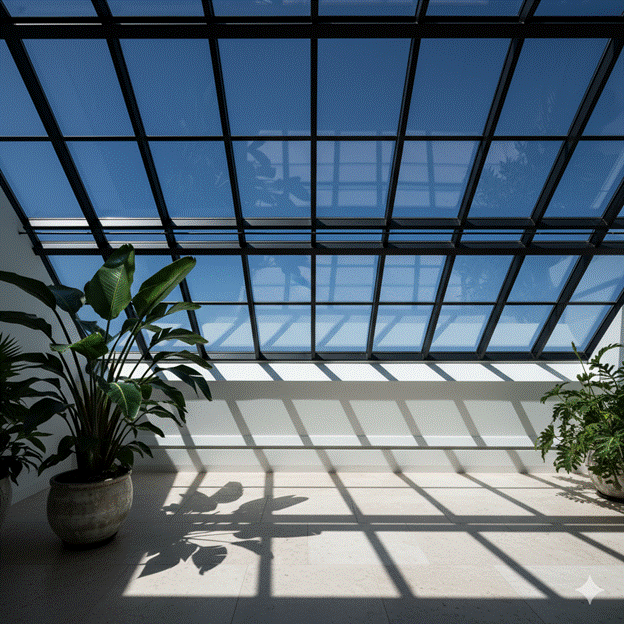
9. Use Skylights or a Glass Roof for Overhead Light
If the architecture of the sunroom entryway permits it, a glass roof or system of skylights creates a quality of overhead light that transforms the space entirely — not simply brighter but differently lit. Light arriving from directly above is more even, more pure, and more dramatically beautiful than wall-level glazing alone can provide, and it illuminates plants, textures, and surfaces in a way that feels genuinely extraordinary.
A full glass roof over the sunroom entryway — supported by slim structural ribs in steel or aluminium — creates the sensation of standing in an indoor garden. Rain on the glass above adds a fourth sensory dimension. A single large rooflight over a dark corner of the entry transforms it into the brightest and most beautiful point in the space with a single architectural gesture.
Styling Tip: For a glass roof or large skylight in an entryway, install motorised blinds operated by a rain sensor or a smartphone. This allows the full beauty of the glass ceiling to be enjoyed in optimal conditions while providing shade during peak summer heat and privacy when needed, without manual intervention.
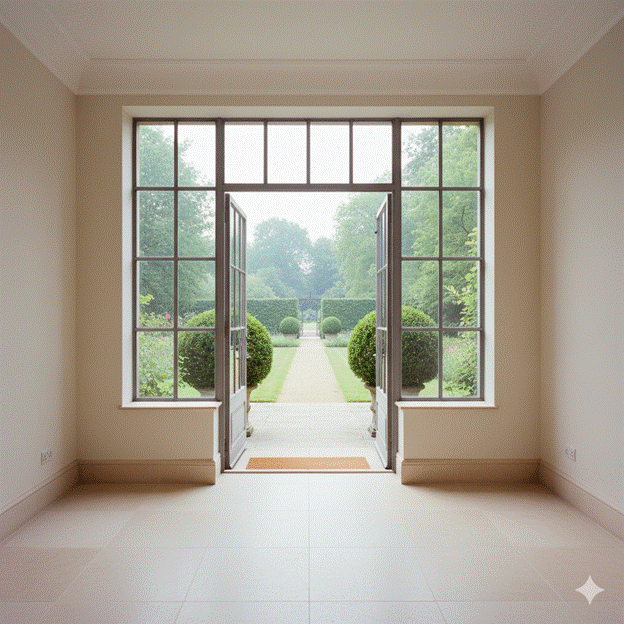
10. Design with a Garden View Corridor
One of the most powerful design principles in sunroom entryway planning is the deliberate creation of a view corridor — a clear sightline from the entry door, through the sunroom, and directly into the garden or landscape beyond. This visual continuity between threshold and garden is what gives the sunroom entryway its unique character: the feeling of arriving into something expansive rather than simply entering a room.
The view corridor should be designed as carefully as the space itself. The sightline should terminate on something beautiful — a specimen tree, a planted border, a water feature, or a carefully styled garden corner. Any furniture or storage placed within the sunroom should be positioned to preserve this central view axis, allowing the garden to remain visually present from the moment the front door opens.
Styling Tip: Enhance the view corridor by planting the garden directly on axis with the entry — a symmetrical pathway, a focal point planting of matching topiary, or a pair of container plants flanking a garden gate all create a composed landscape view that reads as an extension of the interior’s considered design.
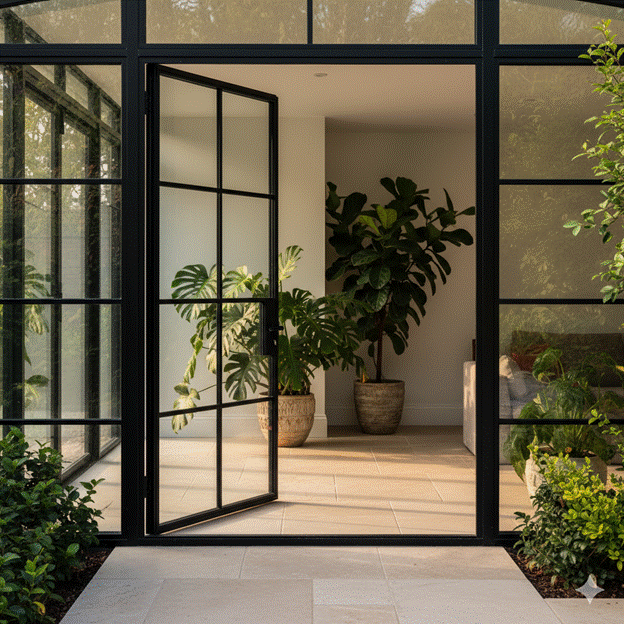
11. Install Bespoke Glazed Doors as a Design Statement
The doors of a sunroom entryway are its first and most defining architectural element — and bespoke glazed doors in steel, timber, or aluminium frames elevate the entry from a functional opening into a genuine design statement. Wide bifold or pivot doors that fold or swing entirely clear of the opening create a threshold experience of remarkable drama and openness.
The choice of door frame material determines much of the entry’s overall aesthetic. Slim black steel frames with clear glass create an industrial-meets-botanical elegance that is deeply current. Warm timber frames with large glass panels read as more organic and approachable. Slim aluminium frames in anthracite or warm white offer a clean, contemporary precision that suits modernist architecture particularly well.
Styling Tip: Consider the threshold detail as carefully as the door itself — a smooth, flush sill with no trip hazard and a material transition between exterior and interior flooring that is deliberate rather than abrupt creates an arrival experience of seamless, considered quality. A recessed mat well with a fitted natural coir mat keeps the floor pristine and the aesthetic cohesive.
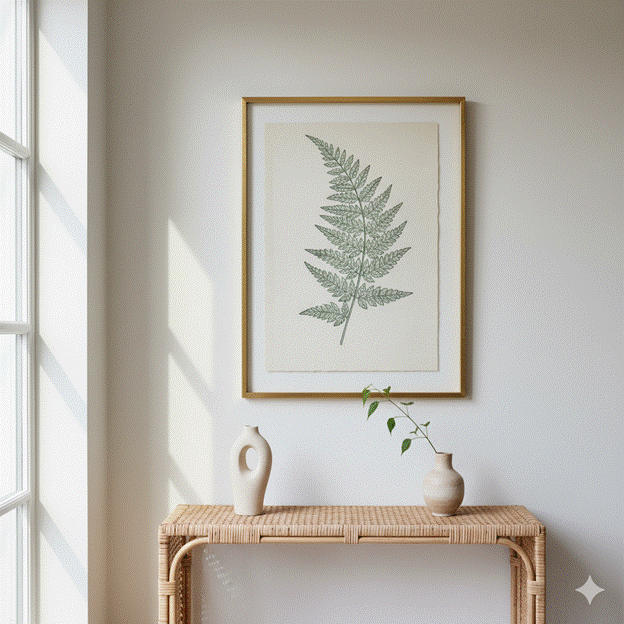
12. Incorporate Artwork and Sculptural Objects
A sunroom entryway filled with natural light is one of the best environments in any home for displaying art — the quality of the daylight, changing throughout the day and across seasons, illuminates paintings, prints, and sculptural objects with a vitality that static electric lighting cannot replicate. The entry becomes a gallery as much as a threshold.
Choose artwork that references the natural world — botanical illustrations, landscape paintings, abstract works inspired by water or stone — to reinforce the inside-outside narrative of the sunroom. A single large-scale work on the wall facing the entrance creates an immediate focal point that gives the entry genuine cultural and personal character. Sculptural objects on a console or plinth — ceramic, stone, or cast bronze — bring three-dimensional depth to the curated environment.
Styling Tip: In a sunroom entryway with strong direct sunlight, use UV-protective glass in picture frames to prevent fading of artwork over time. Position the most light-sensitive pieces away from direct sun paths while ensuring they still benefit from the room’s diffused ambient light — the best of both worlds.
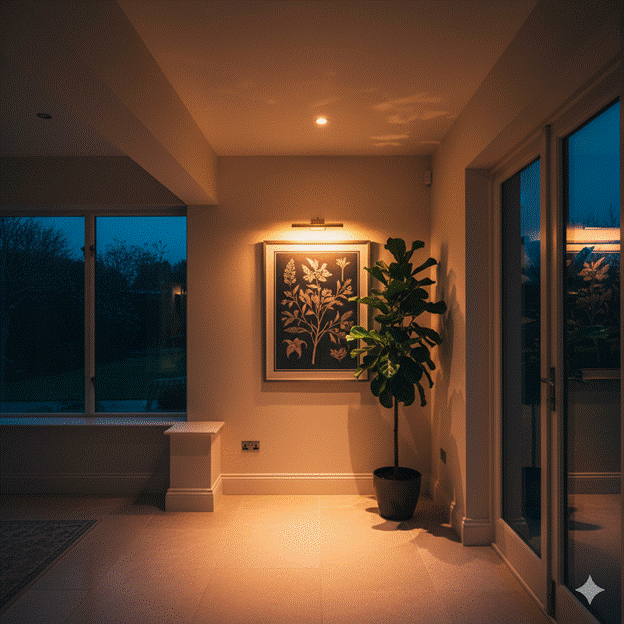
13. Layer Lighting for Day-to-Night Versatility
A sunroom entryway that is extraordinary by day must also function beautifully after dark — and layered artificial lighting is what bridges the two. Relying on a single overhead fitting transforms a sunroom from a luminous, atmospheric space in daylight into a flat, underlit corridor after sunset. A considered lighting scheme with multiple sources at different heights maintains the room’s character across all hours.
Begin with ambient light at ceiling level — recessed downlights at regular intervals provide an even base light that activates the whole space after dark. Add accent lighting to illuminate specific features: a picture light over artwork, an uplighter behind a large plant that casts dramatic botanical shadows on the wall and ceiling, or a low-level pathway light along the floor beside the glazed wall.
Styling Tip: Install all lighting circuits in the sunroom entryway on dimmers — the ability to modulate brightness across every source is the single most important factor in creating versatile, atmospheric lighting. Full brightness for practical use on arrival, lower levels for evening ambience. A smart switch that combines all dimmers into scene-based settings makes the transition effortless.
Conclusion
A sunroom entryway is, at its heart, a statement of values — an investment in the experience of arriving home, in the quality of natural light, and in the design principle that transitions between spaces deserve as much care and thought as the rooms themselves. The 13 ideas explored here are not simply decorating choices but architectural and design decisions that reshape the entire character of a home’s first impression.
Begin with the structural decisions — glazing, flooring, and light — and build the decorative layers above them with patience and intention. The result is an entryway that welcomes every arrival with light, warmth, and the quiet confidence of a space that has been genuinely, thoughtfully designed.
FAQs
Q1: What is a sunroom entryway and how does it differ from a standard hallway?
A sunroom entryway is a glazed transitional space that connects the exterior of the home to the interior, distinguished from a standard hallway by its generous use of natural light through windows, skylights, or a glass roof. While a traditional hallway is typically enclosed and artificially lit, a sunroom entryway prioritises the relationship between inside and outside, often incorporating indoor plants, natural materials, and an architectural quality that makes the arrival experience feel genuinely special and expansive.
Q2: How do I make a small sunroom entryway look bigger and brighter?
The most effective strategies for making a small sunroom entryway feel larger and brighter are a pale, light-reflective colour palette on all walls and the ceiling, a large mirror positioned to reflect natural light and the garden view, minimal furniture with slim profiles and legs that allow the floor to be seen beneath them, and maximum use of the available glazing without curtains or blinds that would block light. Large-format floor tiles in a single continuous tone also visually expand the floor plane significantly.
Q3: What plants work best in a sunroom entryway?
The best plants for a sunroom entryway are those that thrive in bright, indirect light with good air circulation. Fiddle-leaf figs, olive trees, bird of paradise, large monstera, and lemon trees all perform beautifully in light-filled entry spaces and make an immediate visual impact. For a living wall, trailing pothos, philodendrons, ferns, and spider plants are all excellent choices that grow vigorously in bright conditions and require relatively low maintenance.
Q4: What flooring is best for a sunroom entryway that connects to a garden?
Natural stone, large-format porcelain tile, and sealed concrete are the most practical and aesthetically appropriate flooring choices for a sunroom entryway that connects directly to a garden. All three materials handle dirt, moisture, and heavy foot traffic with equal grace and can be cleaned easily. They also provide excellent thermal mass when underfloor heating is installed, making the transition from cool exterior to warm interior genuinely comfortable. Avoid soft flooring materials such as carpet or untreated timber that are vulnerable to moisture and dirt.
Q5: How do I balance privacy and natural light in a sunroom entryway?
The most elegant solutions for balancing privacy and natural light in a sunroom entryway include frosted or textured glass in lower panels only, which allows full light transmission while obscuring the view from outside at standing height. Exterior planting — a hedge, a row of tall grasses, or a living screen — creates a privacy buffer while keeping the glazing entirely clear. Interior privacy film applied to lower glass panels is another effective option that preserves light quality while preventing direct sightlines from the street.