Introduction
The living room is the room that does the most work in any home.
It is where mornings begin over the first cup of coffee, where evenings slow into something restful, where conversation happens and silence is comfortable, where the full personality of a home — its warmth, its taste, its particular quality of welcome — is most completely expressed. And yet, for all its importance, the living room is also the room most people find hardest to design well.
Because designing a truly beautiful living room is not simply about choosing the right sofa or the most fashionable paint color. It is about understanding how light moves through a space, how scale and proportion affect the way a room feels, how the layering of textures creates warmth that no single piece of furniture can achieve alone.
The most inspiring living rooms in the world share a common quality: they feel entirely, unmistakably lived in — by someone with a clear sense of how they want their home to feel. Not showroom-perfect, but genuinely and beautifully theirs.
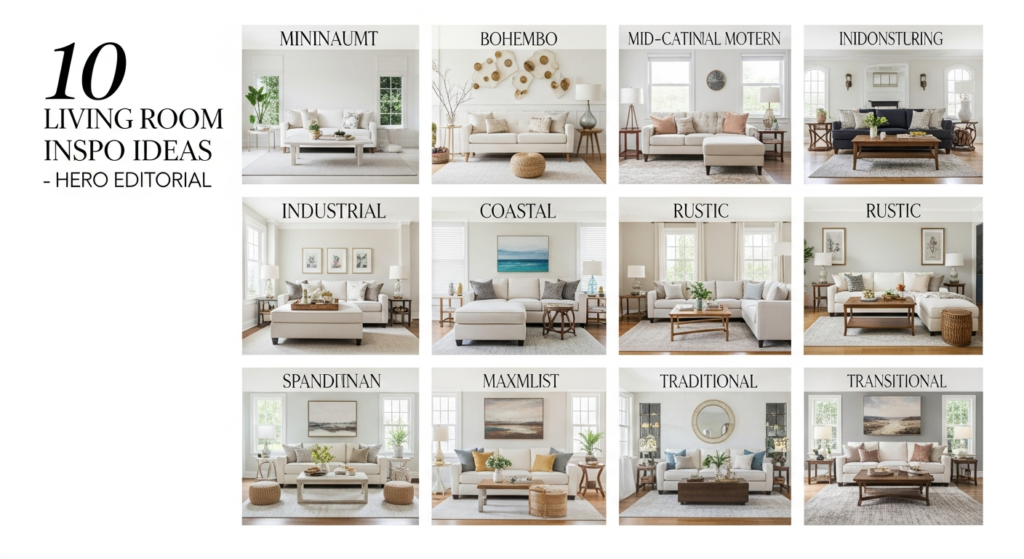
In this guide, we are exploring 10 stunning living room inspo ideas that span the full range of what a living room can be — each one grounded in the design principles, color strategies, lighting approaches, and layering techniques that transform a room from simply furnished into genuinely extraordinary.
Because your living room deserves to be the most beautiful space you return to every single day.
1. Warm Neutral Living Room — The Foundation of Timeless Elegance
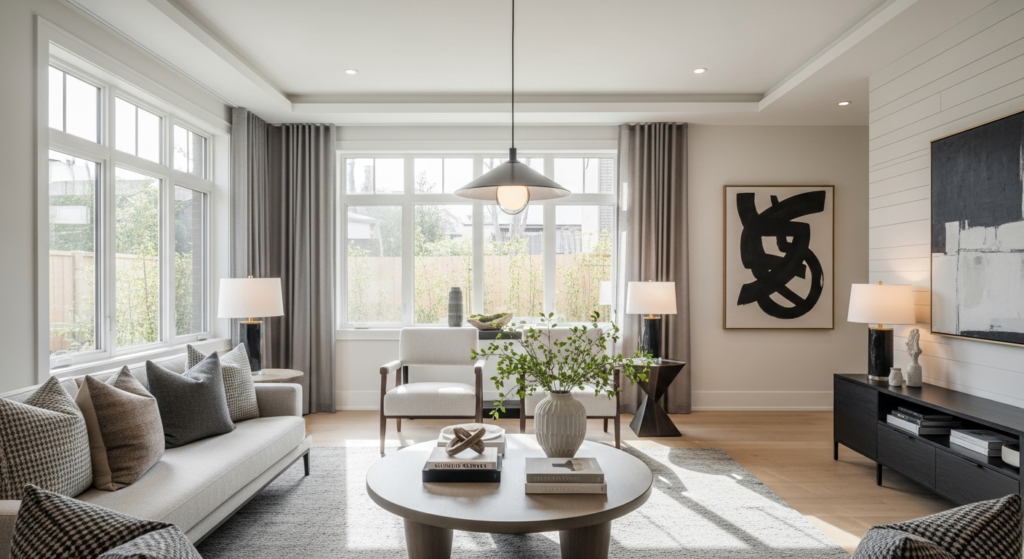
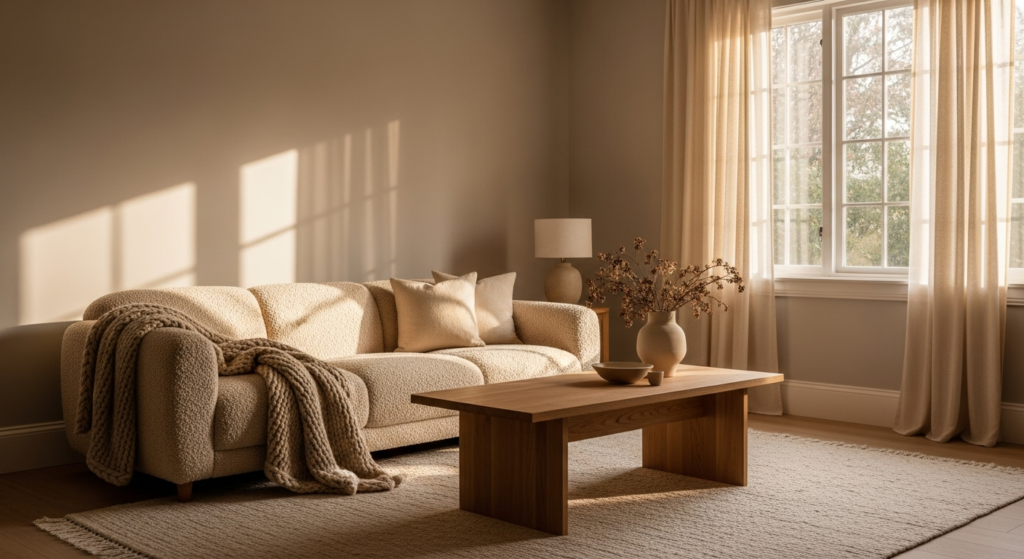
The warm neutral living room is perhaps the most universally admired and most extensively pinned living room inspo aesthetic of the modern era — and for deeply considered design reasons. A beautifully executed warm neutral scheme creates a space that is simultaneously restful and rich, endlessly photographable and genuinely comfortable to inhabit every day.
Styling Tips:
- Build the palette from a single warm anchor tone — a greige, a soft warm white, a pale stone, or a dusty ivory — and layer complementary neutrals across walls, furniture, and textiles in the same tonal family.
- The secret of the warm neutral living room lies in texture variation: a bouclé sofa, a chunky wool rug, a smooth plaster wall, a raw timber coffee table, and a linen throw all exist within the same neutral palette while creating rich visual depth that prevents the room from feeling flat or characterless.
- Choose a sofa in a fabric that rewards close attention — bouclé, textured linen, warm velvet, or a ribbed woven upholstery — in a tone that sits within but anchors the neutral palette.
- Introduce one carefully chosen accent tone to give the palette its visual punctuation: a single dusty sage plant pot, a warm terracotta accessory, or a single deep navy cushion.
- Layer lighting across three distinct levels — a floor lamp, a table lamp, and candles — all in warm-toned bulbs at 2700K to maintain the palette’s warmth through evening hours when natural light no longer contributes.
The warm neutral living room is the aesthetic that feels most like the best version of home — as though the space has always been exactly this way, and will always be exactly this beautiful.
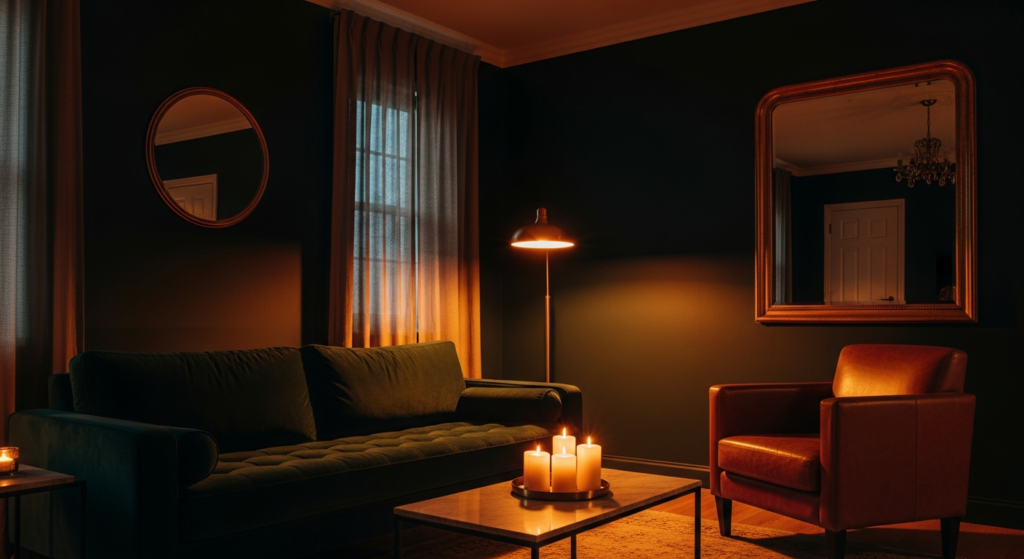
2. The Moody, Dark Living Room — Drama, Depth, and Enveloping Luxury
The dark living room has emerged from the margins of interior design into one of its most celebrated and most aspirational aesthetic directions — and the most beautifully executed dark living rooms are, without exception, the most dramatic and enveloping spaces any home can contain.
Styling Tips:
- Choose a deep, character-rich wall color as the room’s defining decision: midnight forest green, inky navy, warm charcoal, deep plum, or a rich cognac-toned brown — each creates a fundamentally different emotional atmosphere while all achieving the same quality of immersive warmth.
- Paint the ceiling in the same deep tone as the walls — this single decision transforms a room from “dark walls” to a fully immersive, cocooning environment that the most extraordinary moody living rooms require.
- Introduce warm, low-level lighting as the primary light source: brass and gold-toned floor lamps with warm Edison bulbs, table lamps with fabric shades, and generous candle groupings create an extraordinary atmosphere against dark walls that bright overhead lighting completely undermines.
- Upholster key furniture pieces in fabrics that enhance the depth of the dark palette: a deep velvet sofa in plum or emerald, a leather armchair in cognac, and a textured throw in cream or ivory as a deliberate softening contrast.
- Add gold, brass, and warm metallic accents throughout — picture frames, lamp bases, door hardware, and decorative objects — these warm metals glow against dark backgrounds with extraordinary visual beauty.
The dark living room is the inspo for those who understand that the most intimate, most beautifully atmospheric spaces are often the ones brave enough to turn away from the light and discover what extraordinary things live in the warmth of the shadows.
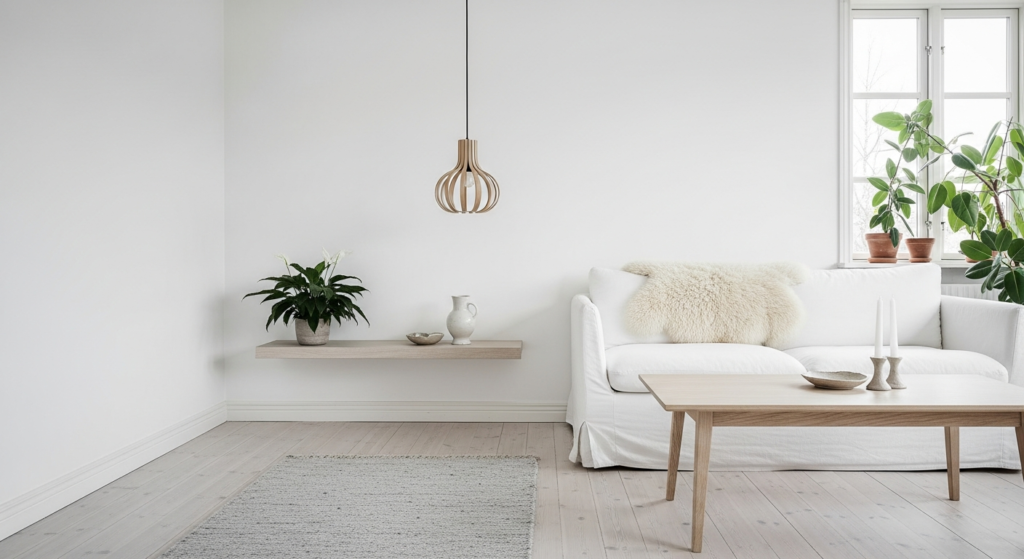
3. The Scandinavian Living Room — Functional Beauty at Its Most Refined
Scandinavian interior design has shaped global living room aesthetics more profoundly than perhaps any other design tradition of the past century — and its core principles of functional beauty, natural materials, and the honest use of light remain as relevant and as deeply beautiful as they have ever been.
Styling Tips:
- Keep the palette almost exclusively in white, pale grey, and natural timber tones — the Scandinavian living room requires the kind of restraint that allows each carefully chosen element to register clearly against the quiet background.
- Choose furniture in natural light timber — pine, ash, or pale oak — with clean, unembellished lines. Every piece should justify its presence through genuine utility and beautiful, honest form.
- Layer textiles in white and natural tones: a white cotton or linen sofa, a sheepskin throw, a natural wool area rug in undyed or pale grey tones, and linen cushions in warm off-white create the layered softness essential to the Scandinavian living room’s characteristic warmth.
- Maximize natural light as the room’s primary design tool: sheer white curtain panels, unobstructed windows, and pale reflective surfaces all amplify and distribute daylight in a way that is central to the Scandinavian aesthetic’s quality of serene luminosity.
- Introduce plants as the primary organic accent — a single large indoor tree, a trailing pothos, or a cluster of simple terracotta-potted succulents bring the only color and organic life the Scandinavian living room requires.
The Scandinavian living room inspo proves that true restraint, when applied with genuine thoughtfulness and a deep respect for natural materials and honest form, produces some of the most enduringly beautiful interiors the world has ever produced.
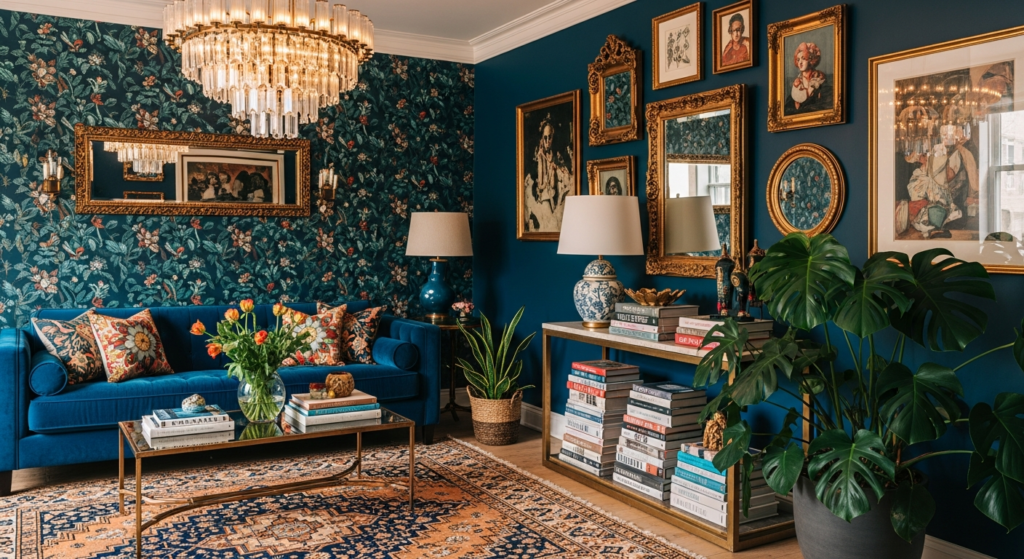
4. The Maximalist Living Room — Curated Abundance and Joyful Richness
The maximalist living room is the fearless, generous, joyful counterpoint to the minimalist aesthetic — a space that celebrates the beauty of abundance, the warmth of layered pattern and color, and the extraordinary personality that emerges when a room is filled with intention rather than restraint.
Styling Tips:
- Choose a dominant color story before anything else — the maximalist living room requires a clear visual point of view to distinguish curated richness from simple clutter. A jewel tone palette (emerald, sapphire, plum, and gold), a warm botanical scheme (terracotta, sage, amber, and deep rust), or a bold graphic palette (black, white, and a single vivid accent) all work beautifully as the organizing principle.
- Layer pattern with discipline: a printed wallpaper, a patterned area rug, and embroidered or printed cushions can coexist beautifully when they share at least one color and their scales vary (one large, one medium, one small pattern).
- Fill the walls with meaning: a deeply curated gallery arrangement, an ornate large-scale mirror, sculptural wall sconces, and bookshelves styled with the care of a personal library all contribute to the maximalist living room’s extraordinary visual richness.
- Every surface should feel considered and personal: a coffee table styled with stacked art books, a meaningful object, and a small plant; a console table layered with framed photographs, a sculptural lamp, and a gathered floral arrangement.
- Introduce extraordinary lighting: a chandelier or statement pendant overhead, wall sconces flanking a mirror or artwork, and table lamps at varying heights together create the theatrical, warm quality that maximalist living rooms require.
The maximalist living room inspo is for those who believe that a space should tell you everything about the person who lives in it — and that the most beautiful homes are the most honestly, most generously personal ones.
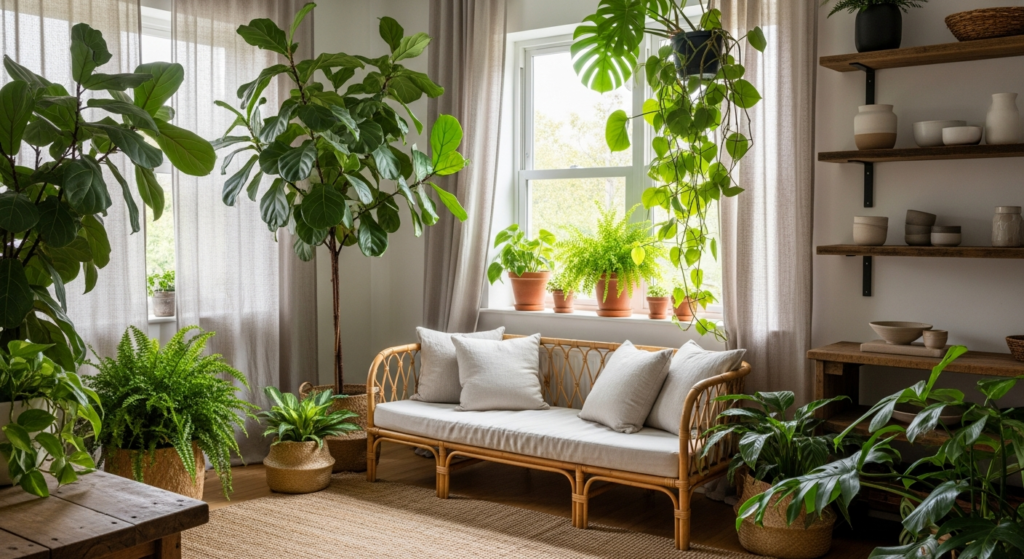
5. Biophilic Living Room — Where Nature and Interior Design Meet
Biophilic design — the intentional integration of natural elements, organic materials, and living systems into interior spaces — has emerged as one of the most scientifically supported, most visually beautiful, and most emotionally resonant living room inspo directions available. A truly biophilic living room does not simply contain plants. It embodies the natural world.
Styling Tips:
- Maximize natural light as the non-negotiable biophilic foundation: sheer curtains or no curtains at all on windows that face a garden or outdoor green space; skylights where architecturally possible; and pale, reflective surfaces that amplify daylight throughout the day.
- Introduce plant life at every scale and in every corner: a large fiddle-leaf fig or olive tree as a floor specimen in one corner, a trailing monstera on a high shelf, potted herb clusters on windowsills, and cascading pothos on a floating shelf — the room should feel genuinely inhabited by living green things.
- Build the material palette exclusively from natural sources: raw timber, stone, rattan, jute, linen, cotton, and handmade ceramics — nothing synthetic should define any surface that is touched or regularly seen.
- Incorporate water as a design element where possible: a small tabletop fountain, an aquarium, or the sound and visual quality of water visible through a window or glass door bring the natural world’s most calming sensory element directly into the living space.
- Use the room’s color palette to mirror nature: the greens of moss, leaf, and fern; the warm tones of earth, sand, and timber; the grey-blue of stone and still water; and the warm gold of afternoon light on natural surfaces.
The biophilic living room inspo is ultimately an argument that the most beautiful interior we can create is the one that makes us remember, in the deepest part of ourselves, that we belong to the natural world — and that our homes, at their best, never let us forget it.
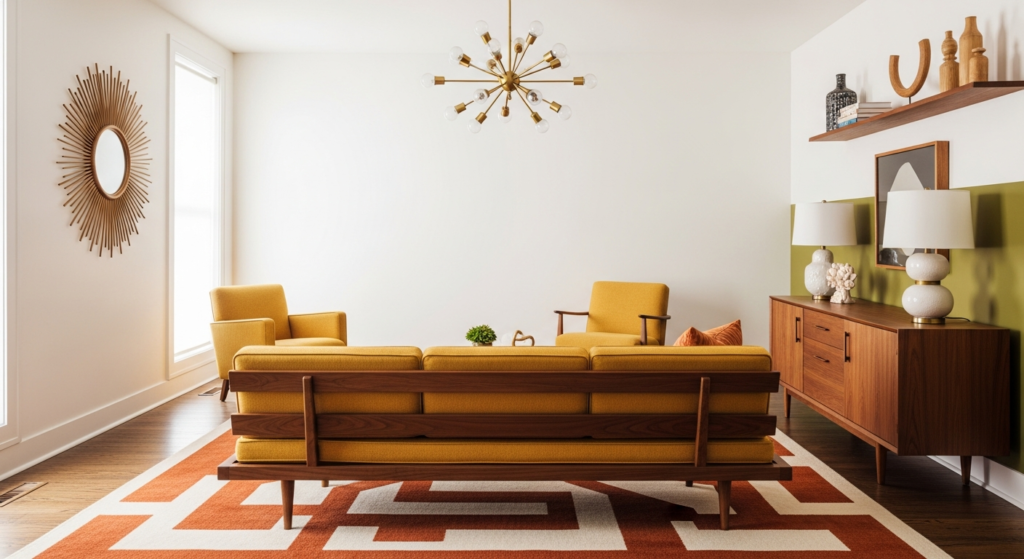
6. The Mid-Century Modern Living Room — Timeless, Graphic, and Endlessly Sophisticated
Mid-century modern design remains one of the most consistently admired and reproduced living room inspo aesthetics in the world — its clean lines, organic forms, and bold graphic use of color and material continuing to feel as fresh, as intelligent, and as deeply satisfying today as they did in their 1950s and 1960s origins.
Styling Tips:
- Choose furniture with the era’s defining silhouette characteristics: clean horizontal lines, tapered wooden legs in walnut or teak, low-profile forms, and organic geometric shapes that reference both natural forms and modernist geometry simultaneously.
- Introduce the mid-century palette with confidence: warm mustard yellow, rust orange, olive green, teal, and warm paprika alongside walnut wood tones and off-white walls create the visual language most immediately recognizable as mid-century in its authenticity.
- Select a statement lighting piece that references the era’s most iconic designs: a Sputnik-style chandelier, an arching floor lamp in brushed brass, or a sculptural table lamp in a ceramic and brass combination all make the mid-century commitment beautifully visible.
- Style a credenza or sideboard along one wall — the low horizontal credenza is the mid-century living room’s most characteristic furniture piece — and style it with a table lamp, a ceramic vase, a small collection of books, and one or two carefully chosen decorative objects.
- Add a statement area rug with geometric or abstract patterning in warm tones — the rug in a mid-century living room is as important to the aesthetic as any furniture piece, grounding the seating area in a bold, considered visual statement.
The mid-century modern living room inspo endures because it was never merely fashionable — it was intelligent design. And intelligent design, by definition, never goes out of style.
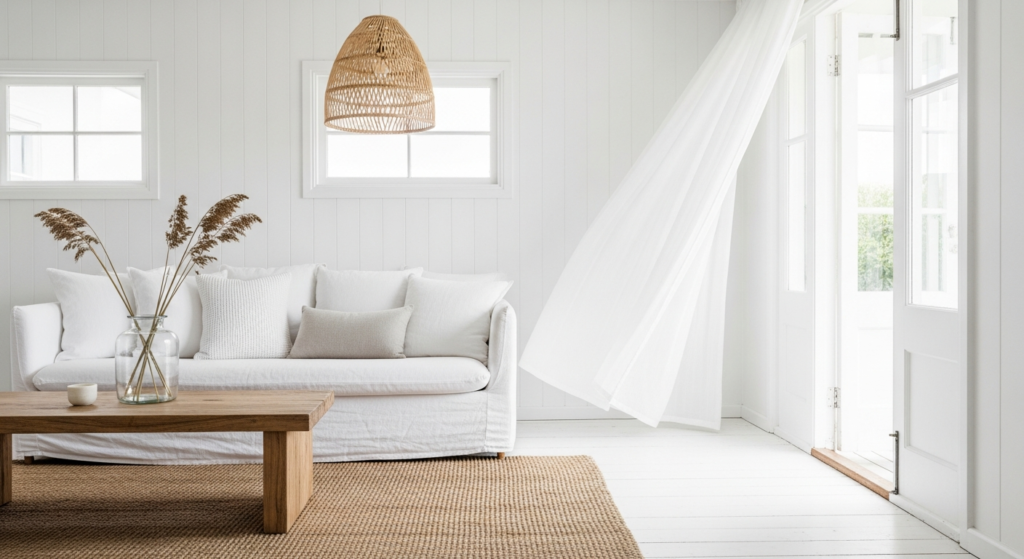
7. The Coastal Living Room — Light, Air, and the Quality of the Sea
The coastal living room aesthetic captures something that every living room aspires to — a quality of light, air, and effortless ease that makes any amount of time spent within it feel like the beginning of a holiday. At its best, coastal living room inspo is not about literal beach accessories but about the feeling the sea itself creates: expansive, fresh, and completely at ease.
Styling Tips:
- Build the coastal palette from the lightest, most luminous neutrals: bright white, warm sand, driftwood grey, and the softest blue-green — these tones reflect natural light in a way that creates the airy, expansive quality central to the coastal aesthetic.
- Choose natural, organic materials that reference the textures of the seaside: whitewashed timber furniture, rattan and wicker accent pieces, woven seagrass or jute rugs, and linen drapery in ivory or white.
- Maximize window space and natural light: the coastal living room should never feel dark. Sheer white curtain panels that move in a breeze, unobstructed windows, and pale reflective floors all contribute to the quality of light that defines the aesthetic.
- Layer organic textures through soft furnishings: a waffle-weave throw, a chunky cotton cushion, a linen sofa cover, and a sisal rug create textural depth without adding visual weight or color complexity.
- Add one or two quiet organic accents that reference the natural world without becoming literal beach decor: a piece of driftwood as a sculptural object on the coffee table, a glass vase of dried sea grass, or a ceramic bowl in a sandy, tactile glaze.
The coastal living room inspo is the space that makes you feel, from the very first moment you enter it, that everything is fine, that the day is long, and that the most important thing to do right now is simply to sit down and be somewhere beautiful.
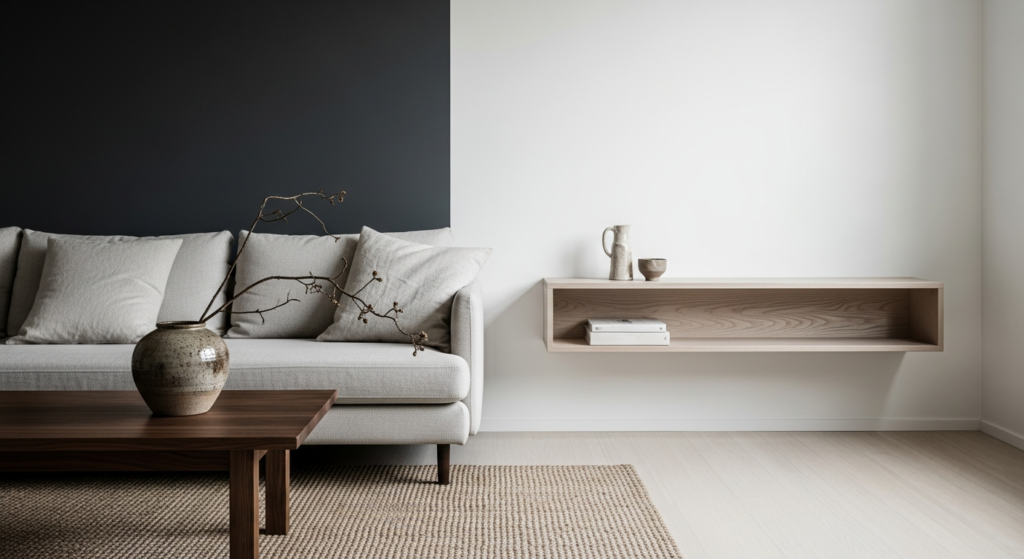
8. The Japandi Living Room — East Meets Nordic in Perfect Harmony
Japandi — the beautiful fusion of Japanese wabi-sabi design philosophy and Scandinavian functionalism — has become one of interior design’s most influential and most widely admired aesthetic directions, and in the living room specifically, it creates spaces of extraordinary tranquility, material honesty, and deeply considered beauty.
Styling Tips:
- Choose a palette of the most elemental, earth-born tones: warm black, deep charcoal, natural stone, off-white, and the muted organic tones of clay, moss, and aged timber. The Japandi palette should feel as though it emerged from the earth rather than from a paint chart.
- Select a low-profile sofa in natural linen or undyed cotton, positioned close to the floor — the low visual center of gravity is central to the grounded, contemplative quality of Japandi interiors.
- Incorporate handmade objects throughout: a rough ceramic vase with a single branch, a hand-thrown tea bowl on the coffee table, a wabi-sabi textured planter — the deliberate imperfection of handcraft is as important to Japandi design as any other material choice.
- Keep surfaces rigorously edited: a coffee table should hold one object, one plant, and nothing else. Shelving should display objects with generous negative space between each. The discipline of emptiness is as visually important as the beauty of the objects placed within it.
- Use natural timber and dark-stained wood in complementary balance: a pale ash or natural oak floating shelf against a darker walnut coffee table and chair frame creates the tonal material dialogue central to the Japandi aesthetic’s characteristic depth.
The Japandi living room inspo is a philosophy as much as an aesthetic — a commitment to the extraordinary beauty that emerges when every object in a space has been chosen with absolute honesty about whether it belongs there.
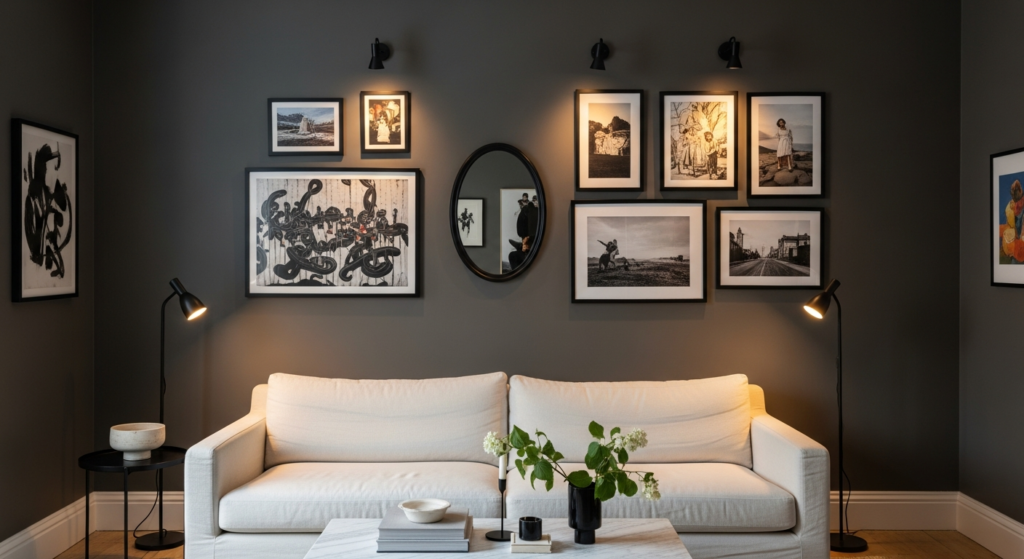
9. The Gallery Living Room — Art as the Ultimate Interior Statement
The gallery living room is the space that places art — in its most generous, most personal, and most beautifully displayed form — at the absolute center of the interior design conversation. It is the living room inspo direction for those who believe that the most beautiful homes are also the ones most alive with human creativity.
Styling Tips:
- Choose wall colors that serve the art rather than competing with it: a warm white, a deep charcoal, or a rich museum-quality grey all provide the visual neutrality that allows artwork to read with maximum clarity and presence.
- Create a gallery wall of genuine curation: mix original artwork, photographic prints, small mirrors, and personally meaningful objects of varying sizes in frames that share one unifying quality (all black, all natural timber, all antique gold). Lay the arrangement on the floor before committing to wall placement.
- Install picture lighting — small directional spotlights or dedicated picture frame lighting — to illuminate individual works with the quality of attention they deserve rather than relying on ambient room lighting alone.
- Keep furniture simple and positioned to direct visual attention toward the art: a clean-lined sofa, a minimal coffee table, and restrained styling that frames the gallery wall as the room’s undisputed focal point.
- Rotate and refresh the artwork seasonally or when the mood requires — the gallery living room is one of the most dynamic of all interior design approaches, because the art it contains is always in conversation with the life being lived around it.
The gallery living room inspo is for those who understand that the most personal space is the one where the things you love most — the art that has moved you, challenged you, or simply made you feel alive — are given the space and the light they deserve.
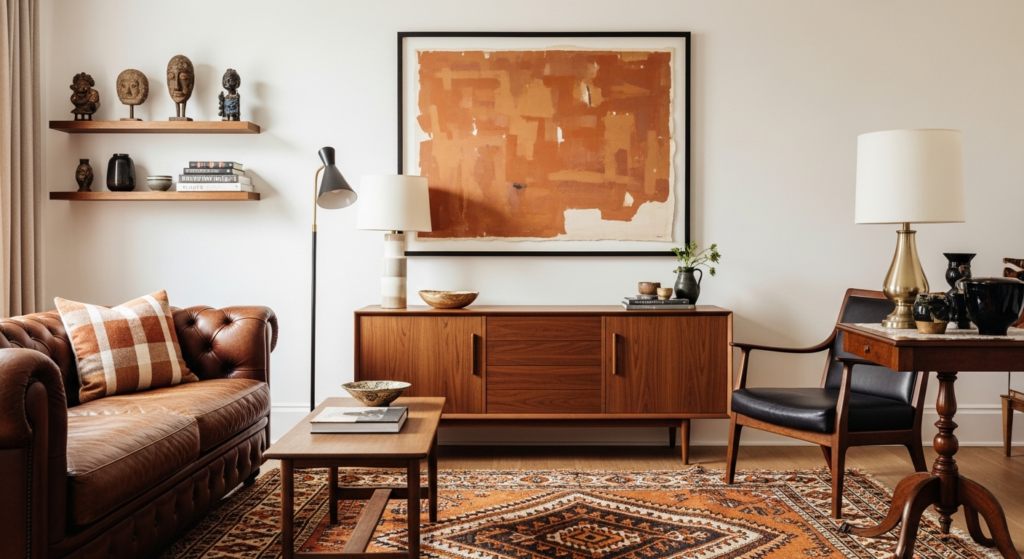
10. The Eclectic Living Room — Where Every Era and Every Story Belongs
The eclectic living room is the most sophisticated of all living room inspo directions — because it requires not just aesthetic vision but genuine design intelligence: the ability to see beauty across different eras, different cultures, and different stylistic traditions, and to bring them together in a space that feels not chaotic but deeply, extraordinarily personal.
Styling Tips:
- Establish a unifying color palette before introducing diverse furniture and objects — the palette is the invisible architecture that holds contradictory elements in harmonious relationship. Three to four colors maximum, applied consistently throughout the room, allows pieces from entirely different design traditions to coexist with apparent ease.
- Anchor the room with one dominant furniture piece in a clear, definite style — a Chesterfield sofa, a mid-century credenza, a baroque mirror, or an oversized contemporary artwork — and allow everything else to be organized in relationship to this anchor.
- Layer objects and furniture from different cultures and periods with deliberate intention: a Moroccan rug beneath a mid-century coffee table beside a Victorian armchair, all tied together by the palette and the quality of the individual pieces rather than their stylistic compatibility.
- Create visual rest points within the eclecticism — clear surfaces, an uncluttered wall section, or a deliberately simple corner — so the eye has somewhere to settle and breathe within the richness of the assembled whole.
- Every object in the eclectic living room should have a story: where it was found, why it was chosen, what it means. The most beautiful eclectic spaces are those where every piece could generate a conversation — and where the accumulation of those stories constitutes the room’s most extraordinary design achievement.
The eclectic living room inspo is the space that most completely reflects a life fully and curiously lived — the room where every era you have been moved by, every place you have loved, and every object you have found genuinely beautiful is given, finally, a home.
Conclusion
A truly beautiful living room is never finished.
It grows more personal, more layered, and more genuinely beautiful with every object thoughtfully added and every unnecessary thing thoughtfully removed. It deepens as the people who live in it deepen — accumulating the stories, the objects, and the particular quality of warmth that only comes from a space that has been genuinely, lovingly inhabited.
The 10 living room inspo ideas in this guide are not blueprints — they are invitations. Invitations to see your living room differently, to experiment with the depth of a dark wall or the warmth of a biophilic corner, to curate a gallery or simplify toward the honest beauty of Japandi restraint.
The most important design principle across every one of these ten directions is identical: intention. Choose every piece, every color, every texture, and every object with a clear sense of why it belongs in the space you are building.
Because the most beautiful living room is always the one that feels most unmistakably like the person who lives within it.
And that person — their taste, their warmth, their particular vision of beauty — is the only living room inspo that has ever truly mattered.
FAQs
Q1: What are the best living room inspo ideas for small spaces? The most effective living room inspo ideas for smaller spaces focus on maximizing natural light, choosing furniture with built-in storage, using large mirrors to visually expand the room, and committing to a cohesive, light-toned color palette that creates a sense of openness. Scandinavian and Japandi aesthetics are particularly well-suited to compact living rooms because their editing principles — restrained color, low-profile furniture, and generous negative space — make rooms feel significantly larger and more serene.
Q2: How do I choose the right color palette for my living room? Begin with the room’s fixed elements — floor tone, natural light quality, and architectural character — and build the palette outward from these unchangeable conditions. Warm timber floors call for warm neutrals and earthy tones; cool grey stone or concrete floors harmonize with cooler neutrals and deeper accent tones. Choose one dominant color (covering approximately 60% of the room), one secondary color (approximately 30%), and one accent (approximately 10%) and apply them consistently across walls, furniture, and accessories.
Q3: What are the most important elements of a well-designed living room? The five most important elements of a genuinely well-designed living room are: a considered, cohesive color palette; a properly scaled area rug that anchors the seating zone; layered lighting across ambient, task, and accent levels; textural depth through varied soft furnishings; and one clear focal point — whether a fireplace, an artwork, a gallery wall, or an extraordinary piece of furniture — around which the room’s design is intentionally organized.
Q4: How do I make my living room look more expensive and luxurious? The most impactful changes for a more luxurious living room include: replacing standard overhead lighting with layered warm-toned lamps; investing in one high-quality sofa in a premium fabric; styling surfaces with restraint and intention rather than filling every available space; adding a large, quality area rug in a natural fiber; introducing real plants as living decor; and choosing accessories in natural materials (stone, timber, ceramic, brass) rather than plastic or synthetic alternatives.
Q5: What living room decor trends are most popular right now? The most widely admired and currently trending living room inspo aesthetics include warm minimalism (neutral tones, organic materials, layered textures), Japandi (the Japanese-Scandinavian fusion of wabi-sabi and Nordic functionalism), the dark and moody living room (deep saturated wall colors, warm brass lighting, velvet upholstery), and the biophilic living room (abundant natural light, living plants, natural material palettes). Gallery walls and the eclectic living room’s celebration of curated personal objects also continue to dominate Pinterest’s most-saved living room content.