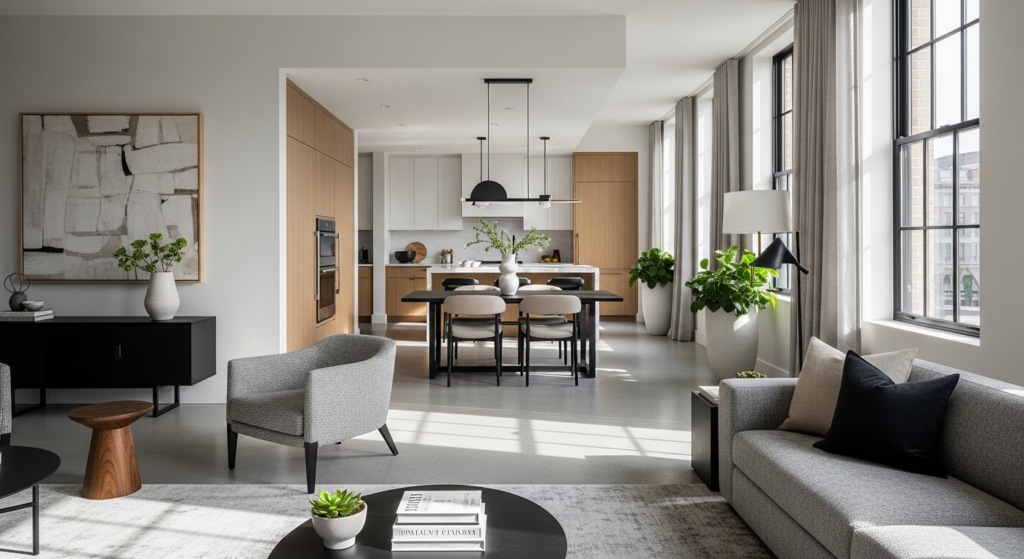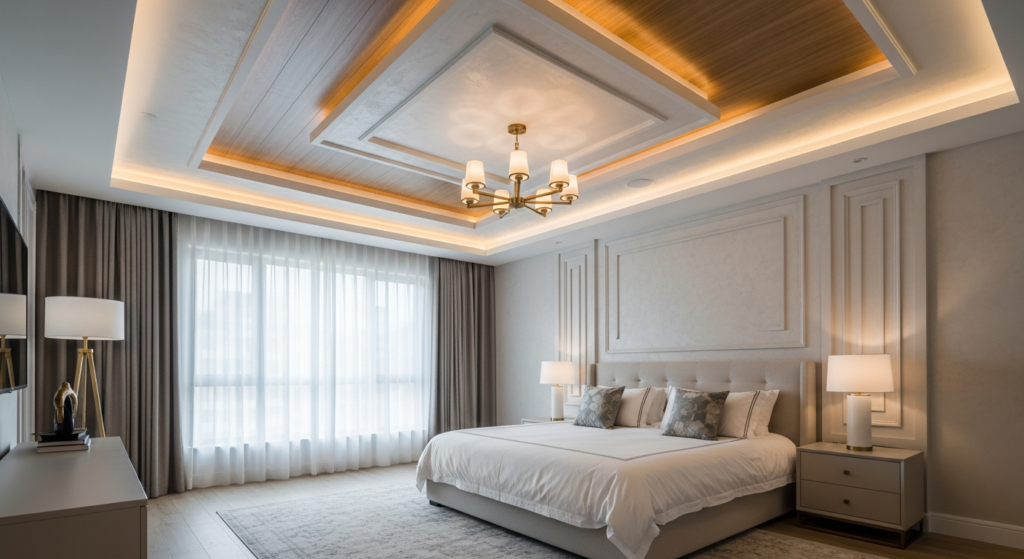
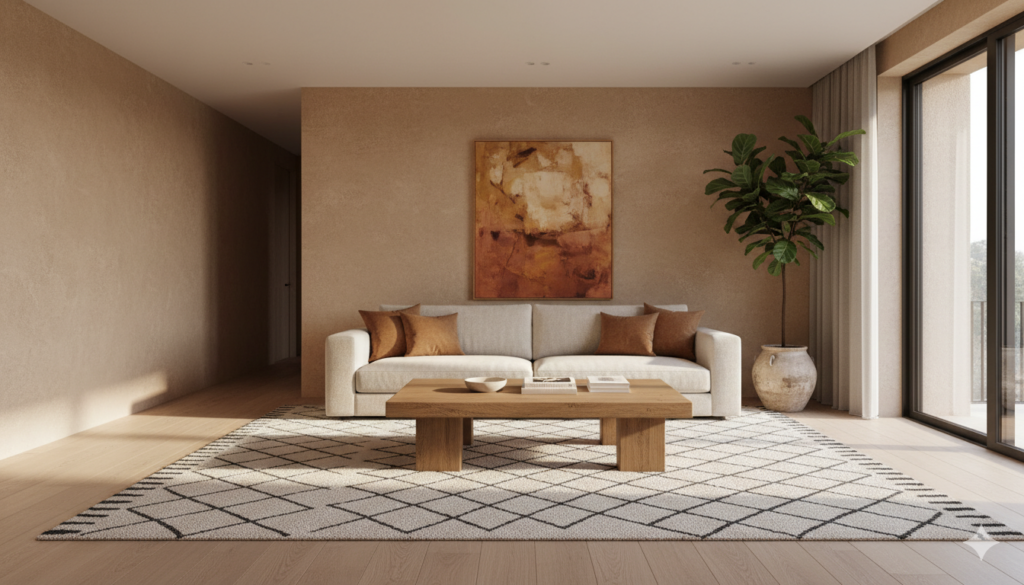
Introduction
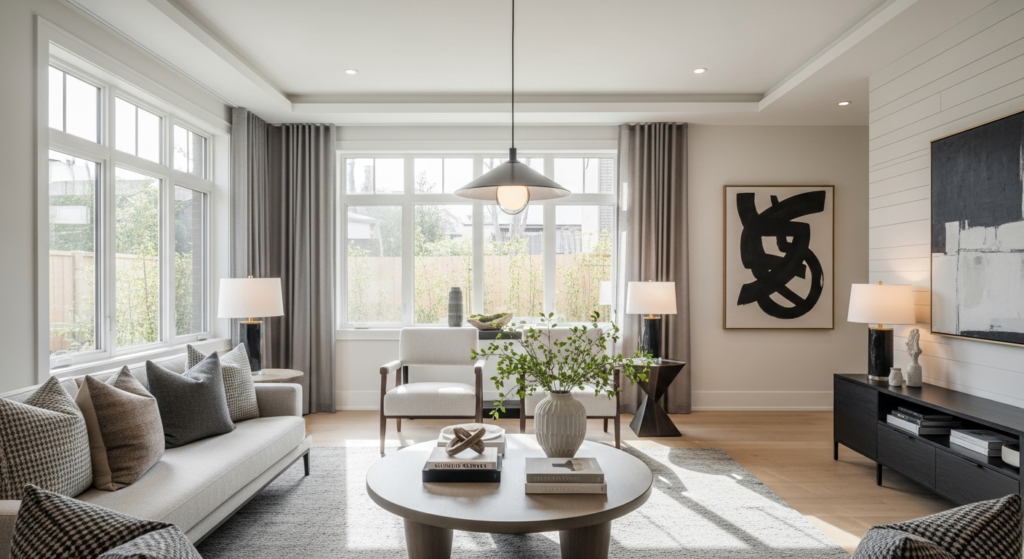
A home that is beautifully designed is not simply a home that looks good in photographs — though it will, invariably, do that too. It is a home that functions well, feels genuinely restorative to inhabit, reflects the personality and values of the people who live within it, and does all of this through a quality of considered, intentional design that is felt even when it is not consciously noticed. Great home interior design is the art of making spaces that people do not want to leave.
The most compelling home interior design ideas of the current moment share a set of foundational principles that transcend trend: a commitment to natural materials and the organic warmth they bring to a room; an understanding of natural light as the primary design medium in any interior space; an appreciation for the power of restraint and negative space; and a willingness to invest in quality over quantity at every level of the design decision.
These 12 home interior design ideas have been assembled as a complete, practically applicable resource for anyone seeking to transform their home into something genuinely beautiful — whether that transformation is a comprehensive room redesign or the considered application of a single design principle to a space that has long been waiting for exactly the right idea to make it work.
Here are the top 12 home interior design ideas for stunning home inspiration — each one a fully developed design concept with the practical guidance to implement it beautifully in your own home.
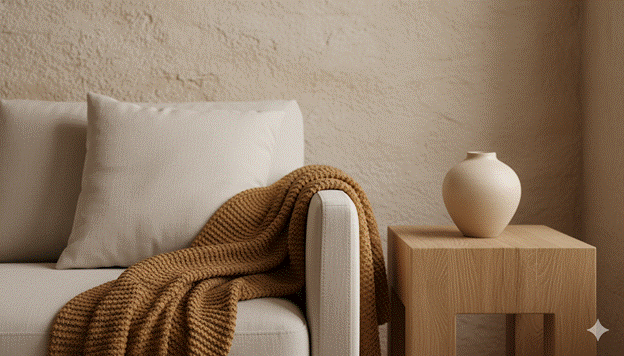
1. Embrace Warm Neutrals as Your Base Palette
The foundation of great home interior design is the colour palette — and the most enduringly beautiful and most broadly applicable palette foundation available is the family of warm neutrals: the creams, stones, warm whites, sandy beiges, warm greiges, and soft caramel tones that create an atmosphere of light, warmth, and organic richness without the commitment or seasonal limitation of a more chromatic choice.
Warm neutrals create the quality of light reflectivity and spatial generosity that defines the most beautiful and most liveable home interiors. They allow natural light to move freely across surfaces and walls, they enhance the apparent volume of every room, and they create a cohesive, harmonious palette that makes every subsequent design decision — furniture, textiles, artwork, plants — easier to make well.
Styling Tip: Build your warm neutral palette across three specific tones rather than attempting to use a single shade throughout the home. Choose a warm white for ceilings and trim, a slightly deeper warm stone or greige for walls, and a rich caramel or warm putty for accent surfaces — a single feature wall, a built-in cabinet, an alcove. This three-tone warm neutral layering creates the visual depth and room-to-room coherence of a professionally designed interior without the complexity of a multi-colour palette. Sample every paint choice in natural and artificial light before committing — warm neutrals shift dramatically between light conditions.
2. Layer Natural Materials Throughout Every Room
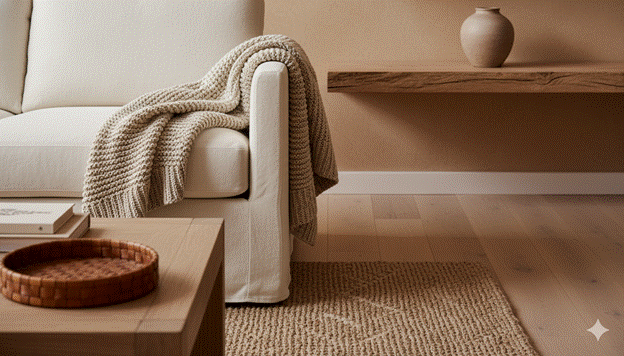
Natural materials — timber, stone, linen, cotton, wool, leather, rattan, jute, and clay — are the home interior design elements that most powerfully and most reliably create a quality of warmth, organic richness, and sensory comfort that no synthetic alternative can approximate. They bring the qualities of the natural world — variation, texture, the evidence of making — into the domestic environment in a way that fundamentally changes how a room feels to inhabit.
The principle of layering natural materials across every room means using them not as single statement pieces but as a consistent, accumulating material language that builds throughout the home. Timber floors in the living spaces; stone surfaces in the kitchen and bathroom; linen textiles on the sofas and beds; rattan and jute in the accessories; leather in the upholstery; clay and ceramic in the vessels and vessels — together, they create a home interior of material coherence and genuine beauty.
Styling Tip: Create a natural material palette for your home that mirrors the approach used in professional interior design: identify one primary material and two or three complementary ones, and use these consistently across every room. A home anchored in warm oak timber, complemented by natural linen and unglazed ceramic, creates a coherent material story from the entrance to the bedroom. A home anchored in cool pale stone, complemented by soft wool and warm leather, creates an equally beautiful but differently characterful result. The consistency of the material palette across rooms creates the quality of designed coherence that distinguishes a beautifully considered home from a simply furnished one.
3. Design with Natural Light as Your Primary Tool
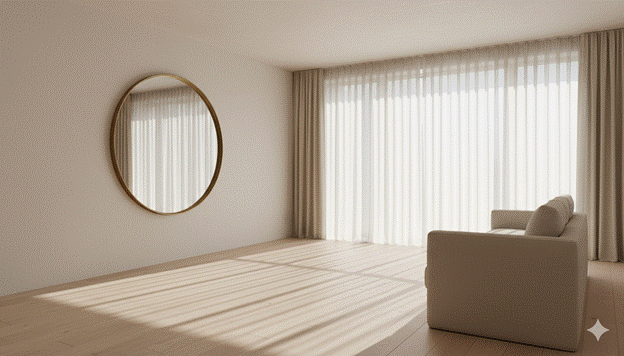
Natural light is the most powerful, most free, and most consistently transformative design tool available to any homeowner — and it is the element of home interior design that most separates genuinely beautiful interiors from interiors that merely contain good furniture. A room that captures, distributes, and honours its natural light is a room of extraordinary beauty at every hour of the day, in every season, regardless of the quality of anything else in it.
Working with natural light as a primary design tool means understanding the quality and direction of your home’s specific light at different times of day and in different seasons, and making design decisions — paint colours, furniture placement, window treatments, mirror placement — that maximise the light’s presence and quality rather than accommodating it as an afterthought. It means treating sunlight as a feature rather than a variable.
Styling Tip: A large, simply framed mirror positioned on the wall perpendicular to your primary window is the single most impactful natural light intervention available for most rooms — it doubles the visible light in the space by reflecting the window back into the room and creates the compelling impression of a second window where none exists. Choose a mirror frame in a warm natural material — aged timber, raw oak, warm brass — that contributes to the room’s material palette while performing its spatial and luminous function. The most effective mirrors for this purpose are those with a slight aged or irregular quality to the reflective surface, which diffuses the reflected light softly rather than creating a harsh double-window effect.
4. Invest in One Exceptional Piece of Furniture per Room
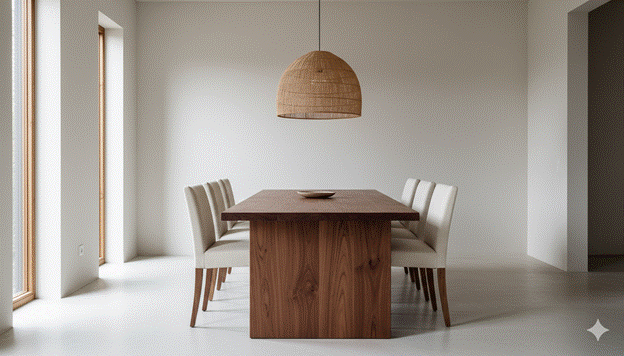
One of home interior design’s most consistently reliable principles is the practice of anchoring each room with a single exceptional piece of furniture — a piece of genuine quality, genuine beauty, or genuine provenance that serves as the visual and conceptual foundation of the room’s entire design identity. This anchor piece communicates that the room has been designed rather than simply furnished, and it raises the perceived quality of every other element in the room by association.
The exceptional anchor piece does not need to be the most expensive item in the room — though quality and craftsmanship almost inevitably involve cost. It needs to be the piece that the room was designed around rather than one of the pieces that was placed within a pre-existing design. A handcrafted solid timber dining table that has been the centrepiece of the dining room since the home was first furnished; a vintage armchair of genuine character and quality reupholstered in a premium fabric; a bespoke sofa in a considered shape and a quality linen — each becomes the design identity of its room.
Styling Tip: When choosing the exceptional anchor piece for a room, prioritise longevity of appreciation over immediate trend relevance — choose the piece that you are certain you will still find beautiful in fifteen years rather than the piece that is most compelling in the current moment. Classic design references, genuine craft quality, and natural material construction are the qualities that sustain appreciation across decades. Trend-specific design details, novelty construction techniques, and synthetic material alternatives rarely maintain their appeal beyond the season of their popularity.
5. Create Visual Depth Through Layered Lighting
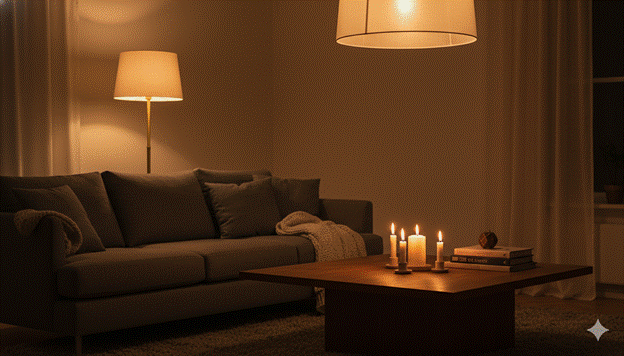
Lighting design is the most technically complex and most atmospherically transformative element of home interior design — and the principle that most consistently separates a professionally designed interior from an amateur one is the use of layered lighting: multiple light sources at multiple heights, with multiple levels of controllability, creating a room that can generate completely different atmospheric experiences from a single physical space.
Layered home interior lighting operates across three registers: ambient light that fills the room without harshness (ceiling fixtures, cove lighting, wall sconces), task light that provides focused illumination where it is needed (desk lamps, kitchen under-cabinet lights, reading floor lamps), and accent light that creates atmosphere and highlights specific design elements (picture lights, display cabinet internal lighting, candles). All three layers are present in every professionally designed interior; most rooms in most homes have only the first.
Styling Tip: Install dimmer controls on every light circuit in your home — this single infrastructure investment transforms the entire atmospheric range of every room without changing a single piece of furniture or a single surface. Develop at least three distinct lighting ‘scenes’ for each primary living space: a bright, functional daytime setting; a warm, social early evening setting at 60-70% intensity; and a deeply intimate late-evening setting using only accent and table lamps with ambient circuits fully dimmed. The ability to shift between these scenes with a dimmer in each hand is the most immediate and most powerful home interior design improvement available for any existing room.
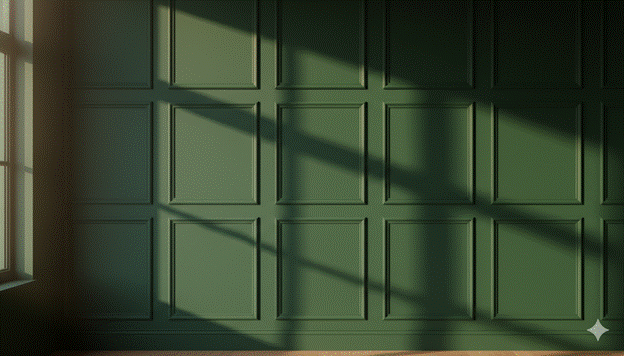
6. Introduce Architecture Through Moulding and Panelling
Architectural moulding and wall panelling are among home interior design’s most transformative and most underused interventions — relatively accessible structural additions that fundamentally change the character and perceived quality of any room they are applied to. Crown moulding at the ceiling junction, dado rails and wainscoting at mid-wall height, full-height tongue-and-groove panelling, or contemporary flat-panel grid designs all add a quality of architectural substance and considered design intent that painted bare walls simply cannot provide.
The specific character of the moulding or panelling style is less important than the quality of its execution and its appropriateness to the room’s broader design language. A deep, detailed cornice in a period property creates one kind of architectural authority; a clean, flat-panel grid in a contemporary interior creates another. Both communicate that the room has been designed with genuine architectural attention — which is the quality that transforms a pleasant room into a specifically beautiful one.
Styling Tip: Paint moulding and panelling in the same colour as the surrounding walls for the most sophisticated and most contemporary architectural effect — rather than the traditional white moulding against coloured walls, which reads as conventional and visually busy. A deep, richly toned wall colour — forest green, navy, warm charcoal — with moulding and panelling painted in the exact same tone creates a wrapped, enveloping architectural quality of considerable luxury and visual depth. The moulding reads as three-dimensional sculpture within the same colour field, creating shadow and relief that are visible in raking light without disrupting the tonal unity of the wall surface.
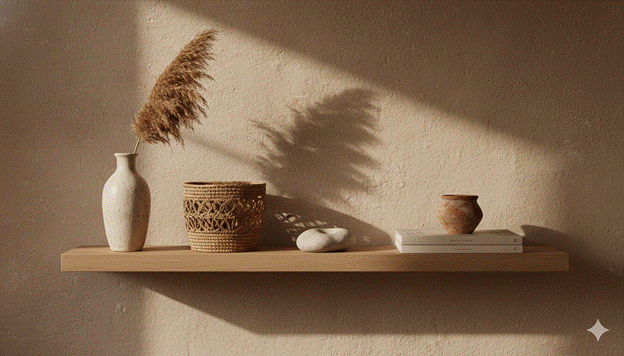
7. Style Shelving as Curated Display
Open shelving in any room — whether built-in bookshelves in a study, floating shelves in a living room, or open kitchen shelving — represents one of home interior design’s most visible and most personally expressive design opportunities. The objects displayed on shelves communicate the inhabitant’s aesthetic identity, their interests, and their sense of what constitutes beauty more directly and more honestly than almost any other element of interior design.
The difference between a shelf that looks considered and beautiful and one that simply looks full is the difference between curation and accumulation. A curated shelf applies editorial principles — selecting each object for its specific contribution to the overall composition, arranging with deliberate attention to height variation and negative space, and editing relentlessly to remove anything that does not earn its place through beauty, meaning, or functional necessity.
Styling Tip: Apply the rule of three as the foundational principle for all shelf styling: organise each shelf into groups of three objects of varying heights, textures, and materials, with deliberate negative space between each grouping. A tall vase, a medium ceramic vessel, and a small object on a stack of books creates one grouping; a framed image leaning against the wall, a trailing plant in a small pot, and a sculptural single object creates another. Never let any horizontal surface in a styled shelf display hold more than three objects — the discipline of three creates a quality of considered restraint that makes even simple objects appear beautiful.
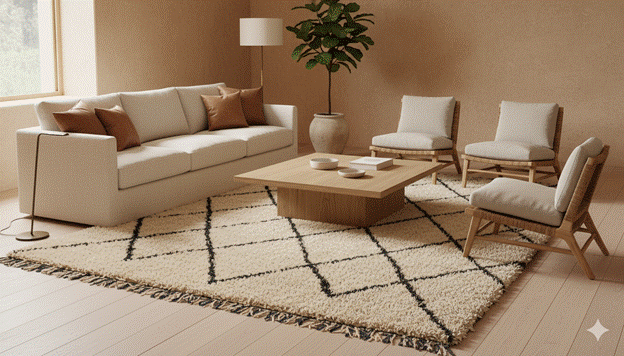
8. Use Statement Rugs to Anchor Every Space
A great rug is home interior design’s most immediately transformative single purchase — the element that more than any other defines the boundaries of a room zone, creates warmth and textural richness at the floor’s most prominent horizontal surface, and introduces a quality of considered aesthetic decision-making that lifts the perceived design quality of the entire room around it. A great rug, chosen well and sized correctly, makes every piece of furniture in the room look better than it did before the rug arrived.
The most common and most damaging rug mistake in home interior design is choosing a rug that is too small for the furniture arrangement it serves. An undersized rug — particularly in a living room where the sofa and chairs float around it without contact — creates a disconnected, spatially anxious effect that undermines every other design element in the room. All legs of the primary seating arrangement should sit on or at the rug’s edge, creating the grounded, unified zone that the rug is placed to create.
Styling Tip: Invest in a rug that is one size larger than you think you need — the extra size almost always creates a more beautiful and more spatially resolved result than the more cautious choice. For a standard three-seater sofa with two occasional chairs in a medium living room, a 240x340cm rug is typically the minimum size that creates the correct spatial relationship. A handwoven or hand-knotted rug in a natural fibre — wool, jute, cotton, or a natural wool blend — adds a material quality and a tactile warmth that machine-made alternatives cannot replicate, and it photographs with a richness and depth that synthetic rugs consistently lack.
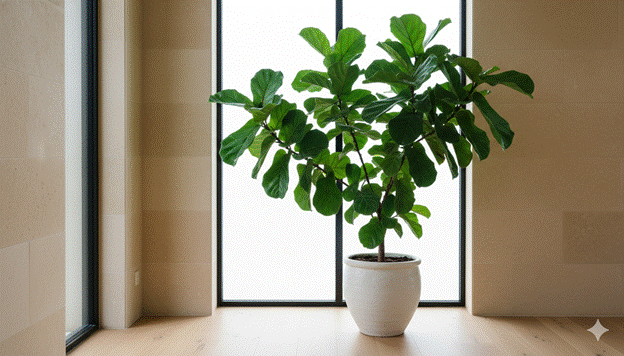
9. Bring the Outside In with Plants and Botanicals
Plants are home interior design’s most living and most continuously changing element — the objects that most powerfully introduce the qualities of the natural world into the domestic environment and that create, through their presence, a quality of organic vitality that no inanimate decoration can replicate. A well-chosen plant in a beautifully chosen vessel transforms the atmosphere of any room it inhabits in a way that is immediately perceptible and deeply, persistently pleasurable.
Home interior design that incorporates plants with genuine intention treats each plant as a design element of the same importance as any piece of furniture — chosen for the quality of its form, positioned with the same care as any other object, and maintained with the attention that living things deserve and require. The difference between a beautifully designed room with plants and one without them is, in most cases, immediately visible and immediately felt.
Styling Tip: Choose one large, architecturally significant plant per primary room — a Fiddle Leaf Fig, a large Monstera deliciosa, a mature Olive tree, or a generous Strelitzia — and treat it as a genuine design element of the space rather than as an afterthought accessory. The vessel matters as much as the plant: a hand-thrown ceramic pot in a warm earth tone, a smooth concrete cylinder, or a quality woven basket planter creates a design object independent of its horticultural function. Position the large plant in the corner or beside the window where its form interacts most beautifully with the room’s natural light and where its silhouette creates the strongest compositional impact.
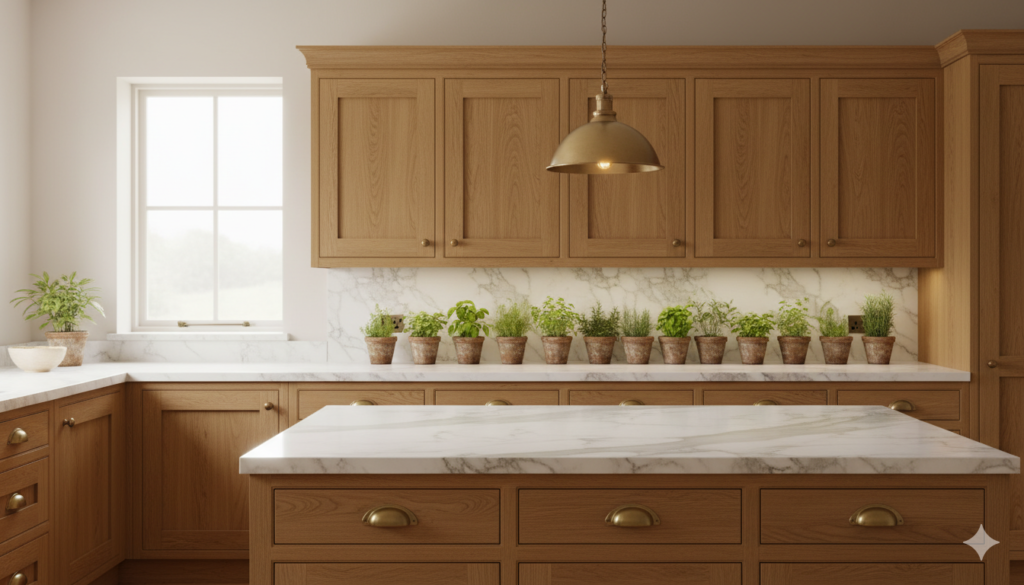
10. Design a Beautiful, Functional Kitchen
The kitchen is the room that most directly rewards the investment of great home interior design — a space where functional excellence and aesthetic beauty are not competing demands but deeply complementary ones, and where the quality of the design decisions made at every level directly impacts the quality of daily domestic life more consistently than any other room in the home. A beautifully designed kitchen is used differently, maintained better, and enjoyed more profoundly than a merely functional one.
The most timeless and most beautiful home interior kitchen designs are those that treat the kitchen as a composed room of considered proportions, quality materials, and thoughtful storage solutions — rather than as a technical installation whose aesthetic is determined by the appliance brands and the cabinet system chosen from a showroom floor. Natural timber, stone, and ceramic surfaces; bespoke or semi-bespoke cabinetry with handle-free or quality-hardware doors; and a cohesive material palette that extends from the floor to the ceiling create a kitchen of genuine interior design quality.
Styling Tip: The single most effective kitchen interior design upgrade available without structural work is the replacement of cabinet hardware with quality alternatives in a warm metal finish — aged brass, brushed gold, antique bronze, or warm unlacquered brass. This replacement creates an immediate, significant improvement in the kitchen’s perceived design quality and material richness for a modest investment. Supplement with a new splashback in a quality tile — a handmade ceramic in a warm tone, a classic metro tile in an unexpected colour, or a bold geometric pattern — to create the focal point and the design signature that gives the kitchen its specific identity within the broader home interior.
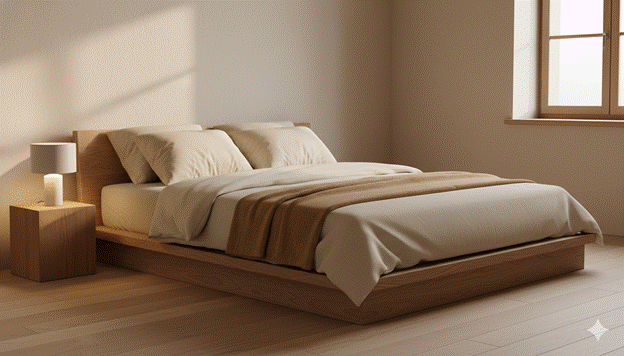
11. Create a Bedroom Sanctuary
The bedroom is the home interior’s most private and most personally expressive space — the room in which the quality of sensory comfort, atmospheric calm, and considered beauty matters most directly to the daily quality of life, because it is the room entered at the day’s most vulnerable moment and exited at the day’s most important transition. A beautifully designed bedroom sanctuary is not a luxury; it is one of home interior design’s most important functional investments.
The bedroom sanctuary is created through the considered management of three primary sensory qualities: light control (the ability to create complete darkness for sleep and warm, gentle light for waking), acoustic calm (the absence of intrusive sound through appropriate textiles, rugs, and where possible acoustic treatment), and material comfort (the quality of the bedding, the warmth of the floor surface, the tactile richness of the upholstery and textiles that create the room’s sensory environment).
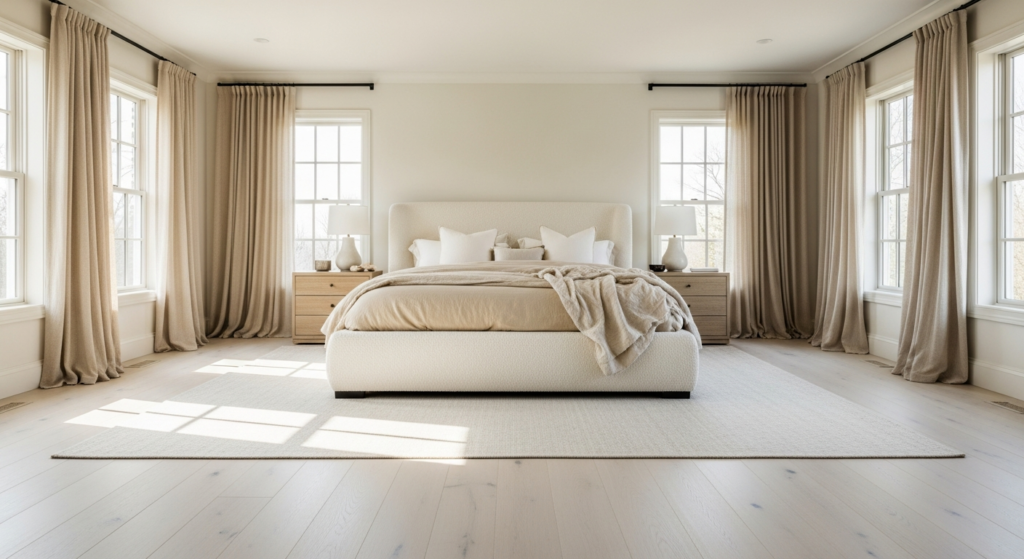
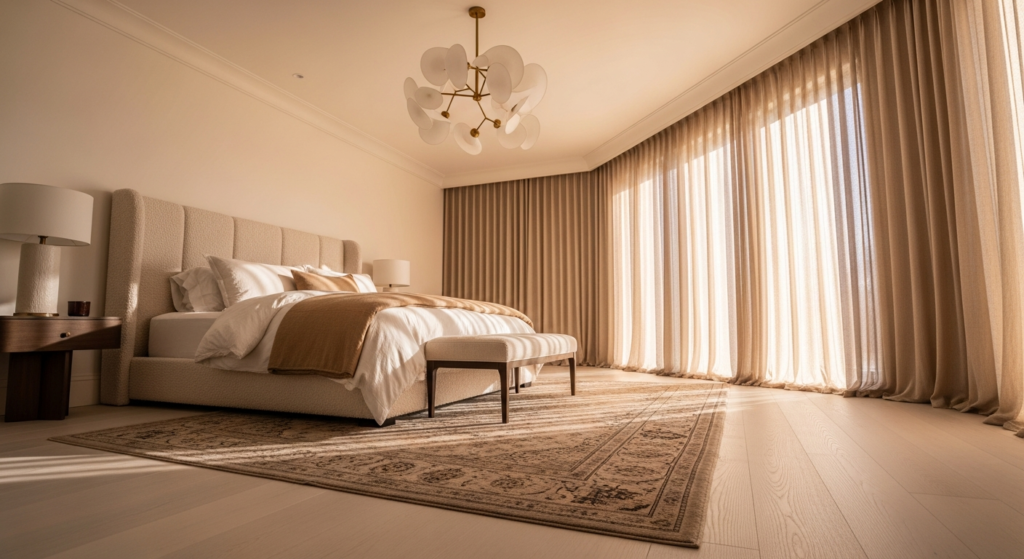
Styling Tip: The bed is the bedroom’s primary design element, and its visual quality is determined almost entirely by the quality and the composition of the bedding. Invest in a quality duvet cover in a premium cotton percale or linen in a warm neutral — the weight, drape, and natural texture of genuine quality bedding creates a visual and tactile richness that synthetic alternatives cannot approach. Layer with a heavyweight linen throw in a complementary neutral at the foot of the bed and two to four large European square pillows behind the sleeping pillows — this layering approach creates the hotel-quality bed composition that is one of home interior design’s most consistently aspirational images, and it is one that any bedroom can achieve with the right investment in quality textiles.
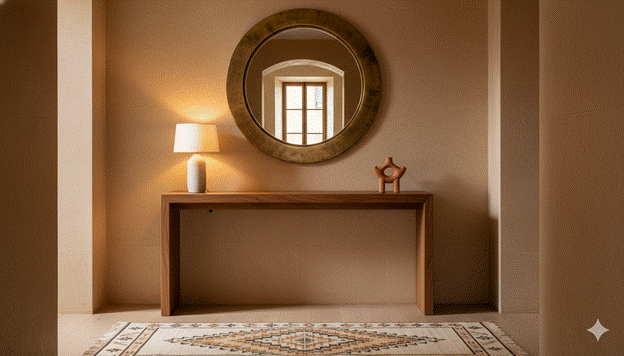
12. Design Every Hallway as a Design Destination
The hallway is one of home interior design’s most chronically undervalued spaces — a room that is passed through rather than inhabited, decorated minimally because it is not ‘lived in,’ and left as a functional corridor while every other room in the home receives the attention of considered design. This is a significant and entirely correctable mistake. The hallway is the room that establishes every visitor’s first impression of the entire home’s design quality, and it is the transition space that determines whether moving through the home feels like an experience or merely a convenience.
A hallway treated as a genuine design destination — with quality wall treatment, considered lighting, a beautiful console table or built-in storage bench, deliberate artwork or mirror, and the same quality of material and textural attention applied to every other room — creates an immediate impression of comprehensive home interior design quality that elevates the entire home’s perceived character from the moment of entry.
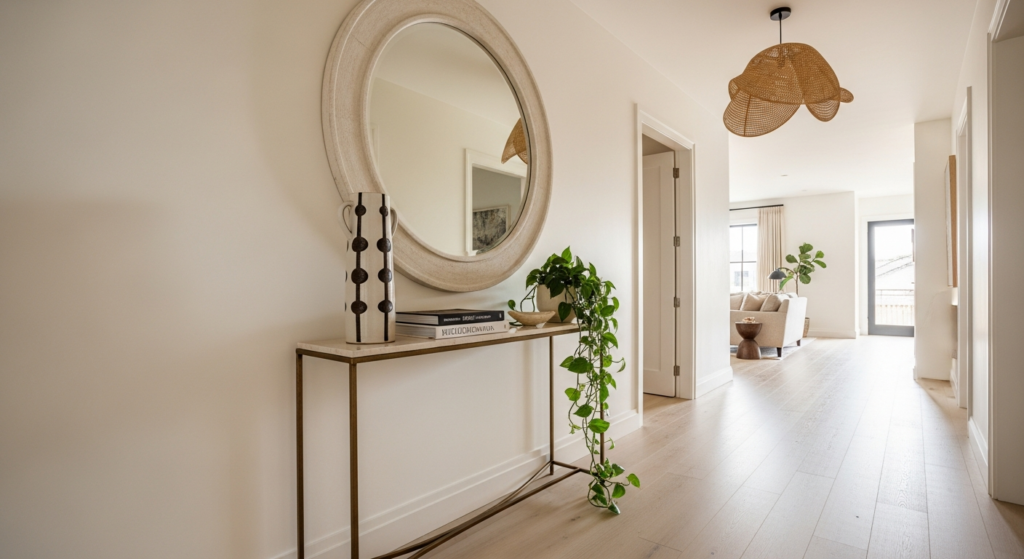
Styling Tip: A console table in the hallway is the single most impactful furniture addition available for transforming a functional corridor into a designed space. Choose a console in a quality material — solid timber, hand-cast concrete, or a quality metal — at a height of approximately 80-85cm (just below waist height) and style it as you would a gallery installation: one piece of significant artwork or a large round mirror above it, a small sculptural lamp on one side creating warm, intimate light, and a single decorative object on the other side. Keep the surface clear of keys, post, and functional clutter — dedicate a drawer or a small basket beneath the console for these necessities — and allow the console vignette to be the hallway’s statement of design intention that visitors encounter first.
Conclusion
Great home interior design is not the exclusive territory of professional designers, unlimited budgets, or architecturally exceptional properties. It is the result of the consistent, considered application of a set of principles — about light, about natural materials, about proportion, about quality, about restraint — that are available to any homeowner willing to approach their living space with genuine creative intention.
The 12 home interior design ideas in this collection offer a complete, practically applicable framework for transforming any home into a space of genuine beauty and genuine liveability. Some ideas require investment; others require only the willingness to edit, to rearrange, and to see what is already present in a space with fresh attention. All of them, applied with the quality of care and conviction that good design always deserves, will produce results that improve the experience of daily domestic life in ways that extend far beyond the purely aesthetic.
Begin with the idea that resonates most honestly with the specific needs and the specific character of your home. Apply it with full commitment and genuine quality. Then observe what the room becomes — and what the rest of the home, inspired by that single considered transformation, begins to aspire to.
FAQs
FAQ 1: What are the most important principles of home interior design?
The most important principles of home interior design are those that produce environments of genuine beauty, genuine functionality, and genuine personal resonance simultaneously. Proportion and scale — ensuring that furniture and architectural elements relate harmoniously to each other and to the room’s dimensions — is the foundational principle without which no other design element works consistently. Natural light management, understanding how light behaves in your specific space across the day and year and making design decisions that maximise its presence, is the most transformative single principle available. Material quality and coherence — choosing natural materials of genuine quality and using them consistently throughout the home — creates the warmth and richness that defines the most beautiful interiors. And editorial restraint — the willingness to remove, edit, and maintain negative space rather than accumulating objects — is the principle that most distinguishes a considered, designed interior from a simply furnished one.
FAQ 2: How do I start designing my home interior on a budget?
Starting home interior design on a limited budget requires prioritisation of the highest-impact interventions and restraint with lower-impact ones. Paint is the highest-impact, lowest-cost transformation available — repainting walls and ceiling in a carefully chosen warm neutral can fundamentally change the atmosphere and perceived quality of any room for a modest investment. Replacing lighting fixtures and adding dimmer controls creates the atmospheric range and quality that poor lighting entirely prevents. Editing and rearranging existing furniture — removing what does not work and repositioning what does — often produces a more significant improvement than adding new pieces. Investing in one quality anchor piece per room — a great rug, a quality light fixture, a beautifully framed piece of art — raises the perceived quality of everything around it without requiring comprehensive replacement of existing furniture.
FAQ 3: What home interior design styles are most popular right now?
The home interior design styles generating the most significant and most sustained interest in the current moment are centred on several related aesthetic philosophies. Quiet luxury — restrained, quality-focused design that communicates sophistication through material excellence and considered simplicity rather than decorative complexity — is the dominant direction in premium residential design globally. Warm minimalism — the synthesis of minimalism’s clean, edited quality with the organic warmth of natural materials and tonal neutral palettes — represents the most broadly adopted contemporary domestic aesthetic. Biophilic design — the deliberate integration of natural elements, natural materials, natural light, and living plants into interior spaces — continues to grow in both professional and domestic application. And the aged, characterful quality of maximalist vintage and antique-influenced interiors provides a counterpoint to minimalist trends for homeowners seeking spaces of greater material complexity and historical depth.
FAQ 4: How do I make a small home feel bigger through interior design?
Making a small home feel bigger through interior design relies on several consistently effective techniques applied together. Painting walls, ceilings, and trim in the same light warm neutral removes the visual interruptions that colour breaks create and allows the eye to travel across the room’s full dimensions without interruption. Choosing furniture with visible legs that allow light to pass beneath creates a quality of spatial lightness that solid-base furniture entirely forecloses. Hanging curtains from the ceiling rather than from above the window frame, and extending them beyond the window frame on each side, creates the impression of taller and wider windows than actually exist. Large mirrors on the walls perpendicular to windows double the perceived light and spatial depth of any room. And rigorous editing — maintaining genuinely minimal surface clutter and generous negative space — is consistently the most immediately impactful spatial intervention available at zero cost.
FAQ 5: What is the best way to choose a colour palette for home interior design?
Choosing a home interior design colour palette begins with identifying the specific quality of light in your home — the direction windows face, the quality of natural light at different times of day, and whether the existing structural features (floors, tiles, fixtures) have warm or cool undertones that the paint palette must accommodate. Always sample paint colours on the actual walls in your specific space rather than choosing from a sample card — colours shift dramatically between the paint shop lighting and domestic interior light conditions, and between small card samples and full wall application. Build your palette around a maximum of three tones — a light neutral for ceilings and trim, a slightly richer neutral for walls, and one deeper accent tone — and apply them consistently throughout the home to create the sense of designed coherence that room-by-room colour changes undermine.