Introduction
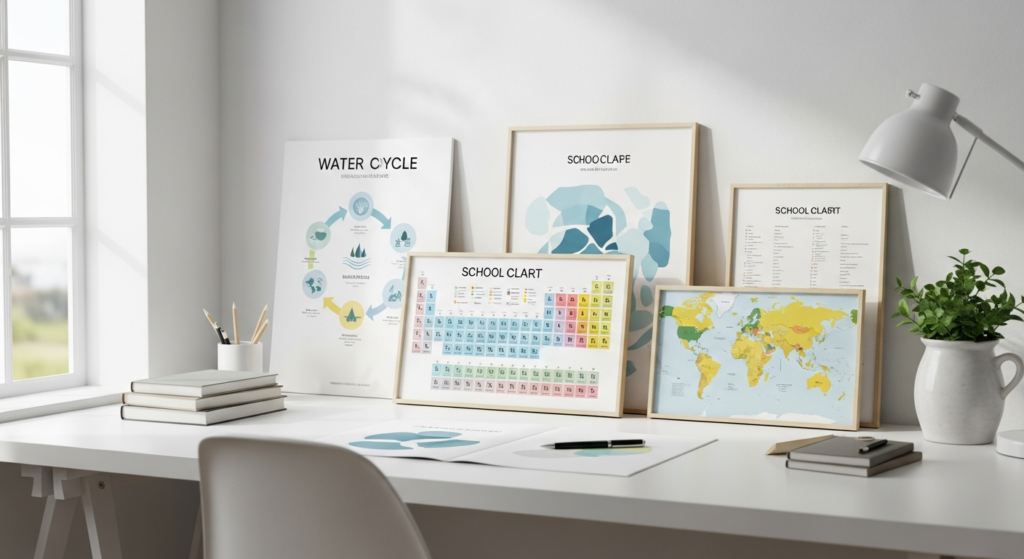
Chart work for school is no longer just about information—it is an opportunity to present ideas with creativity, elegance, and visual harmony. A beautifully designed chart transforms simple content into an engaging display that captures attention instantly.
Much like a thoughtfully styled interior, successful chart design relies on balance—color, layout, texture, and spacing working together seamlessly. These ideas bring a refined, modern approach to school projects, blending functionality with artistic expression for truly stunning results.
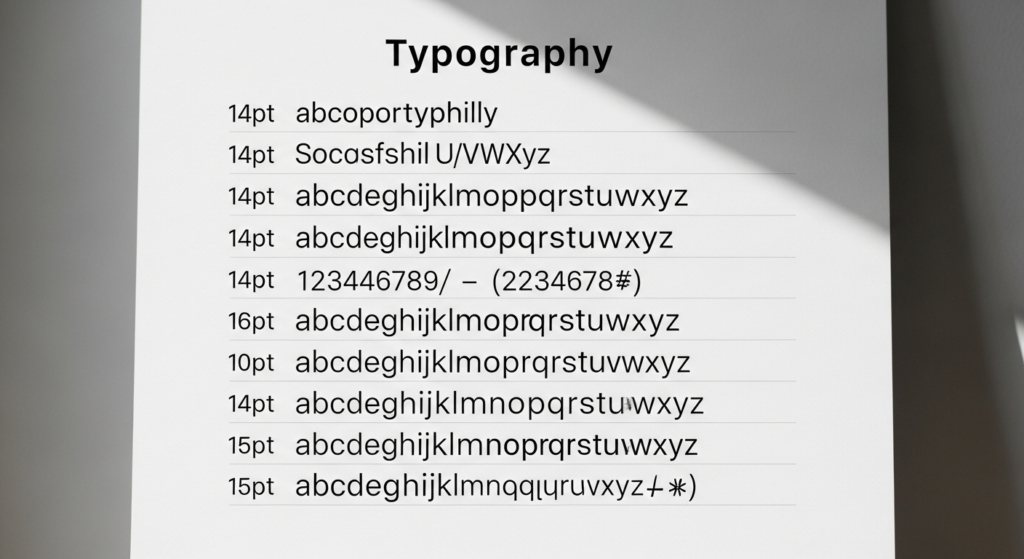
1. Minimalist Typography Charts
Clean layouts with bold headings create a striking visual impact.
They prioritize clarity and elegance.
Styling Tip:
Use neutral backgrounds with black or dark text, and maintain generous spacing for a polished look.
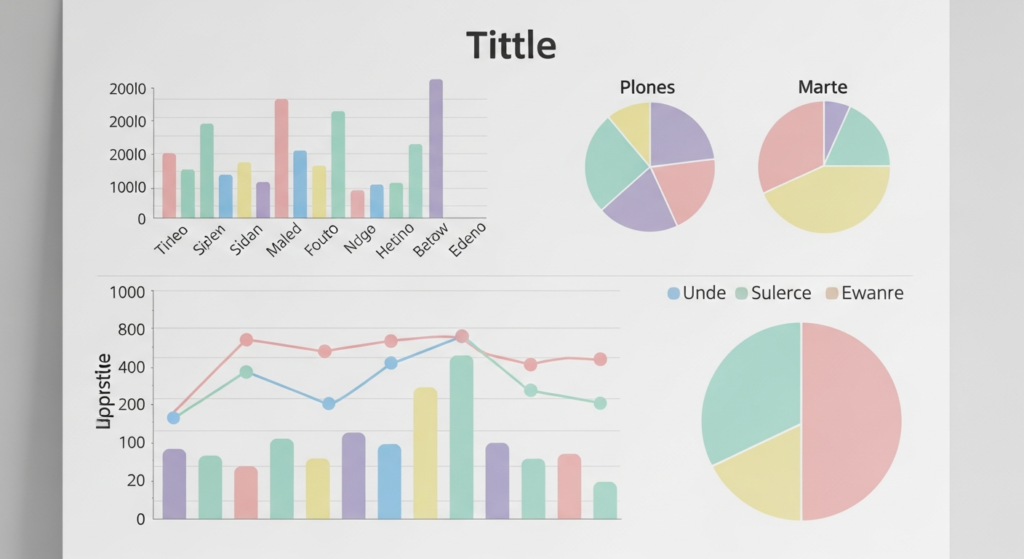
2. Pastel-Themed Educational Charts
Soft pastel tones create a calming and visually appealing design.
They make information feel approachable and refined.
Styling Tip:
Combine 2–3 pastel shades and balance them with white space to avoid clutter.
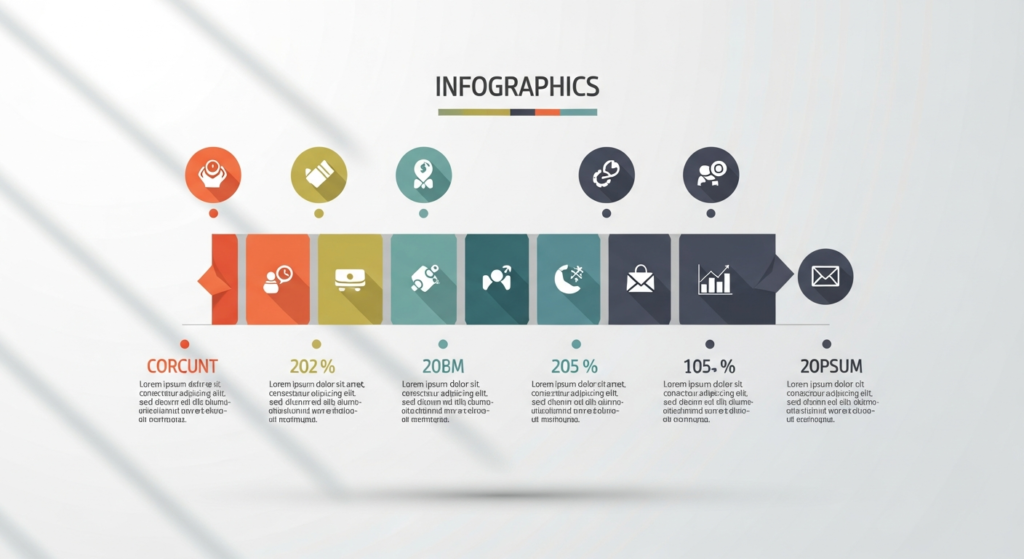
3. Infographic-Style Charts
Infographics present information in a structured and engaging way.
Icons, diagrams, and sections enhance readability.
Styling Tip:
Use consistent shapes and color coding for a cohesive layout.

4. Nature-Inspired Chart Designs
Elements like leaves, wood textures, and earthy tones bring warmth.
They create a fresh and organic feel.
Styling Tip:
Incorporate subtle green tones and natural patterns for harmony.
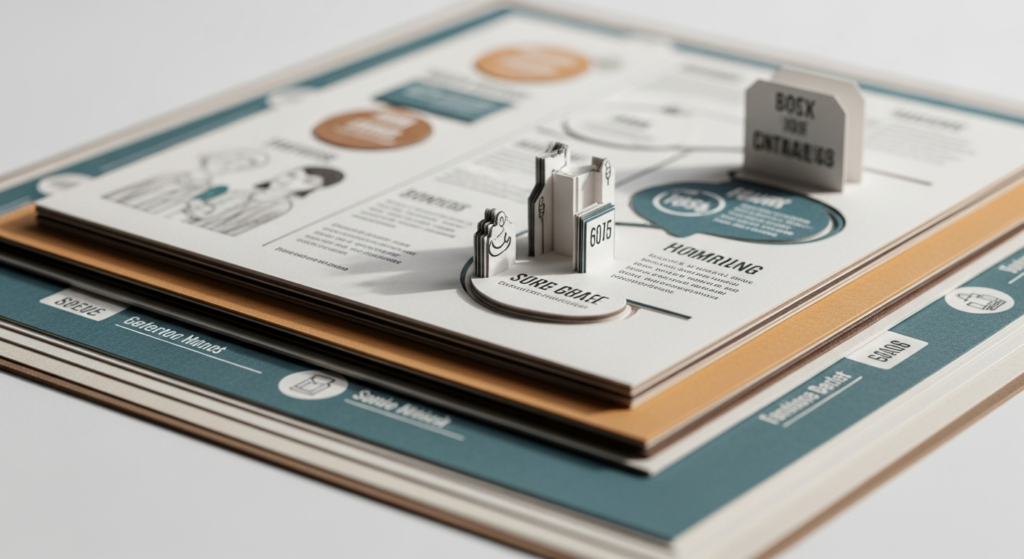
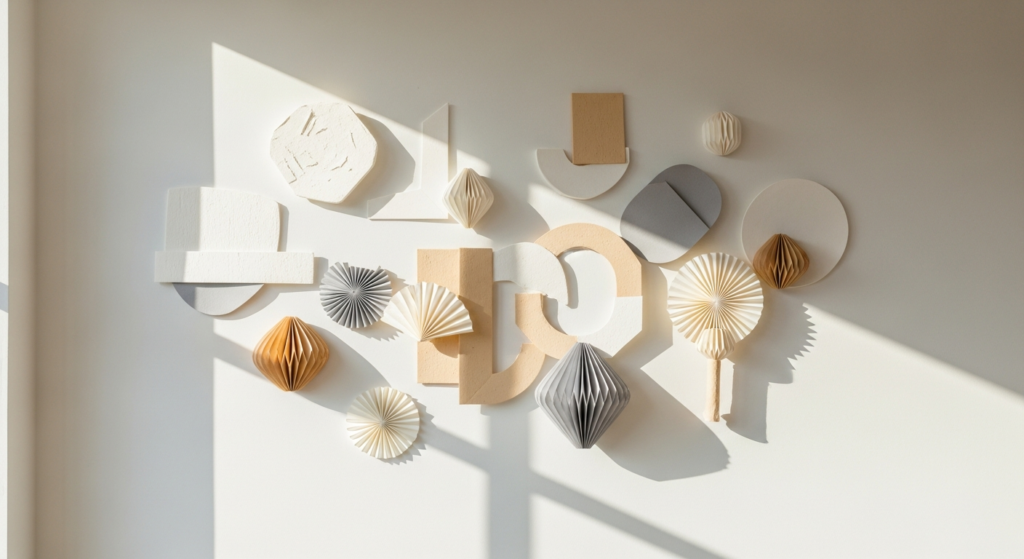
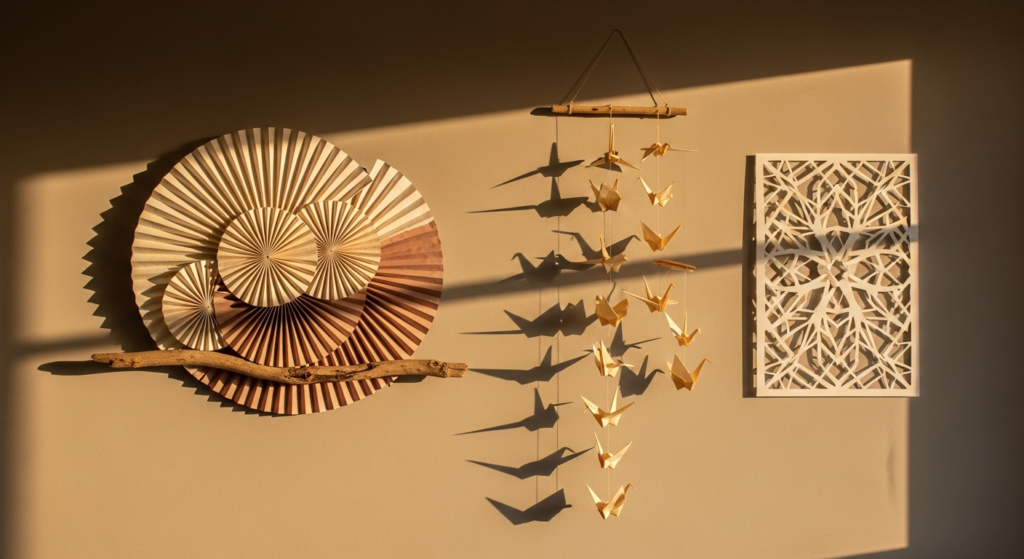
5. 3D Layered Paper Charts
Layered paper adds depth and dimension.
It transforms flat charts into tactile visual pieces.
Styling Tip:
Use foam tape or folded layers to create a clean 3D effect without overcrowding.

6. Monochrome Theme Charts
A single-color palette creates a sophisticated and modern look.
It feels cohesive and visually balanced.
Styling Tip:
Play with shades and textures within the same color for depth.
7. Grid Layout Study Charts
Structured grids organize information neatly.
They improve readability and flow.
Styling Tip:
Use fine lines and consistent spacing to maintain symmetry.

8. Illustrated Concept Charts
Hand-drawn illustrations add personality and creativity.
They make learning more engaging.
Styling Tip:
Keep illustrations simple and aligned with the theme to avoid distraction.
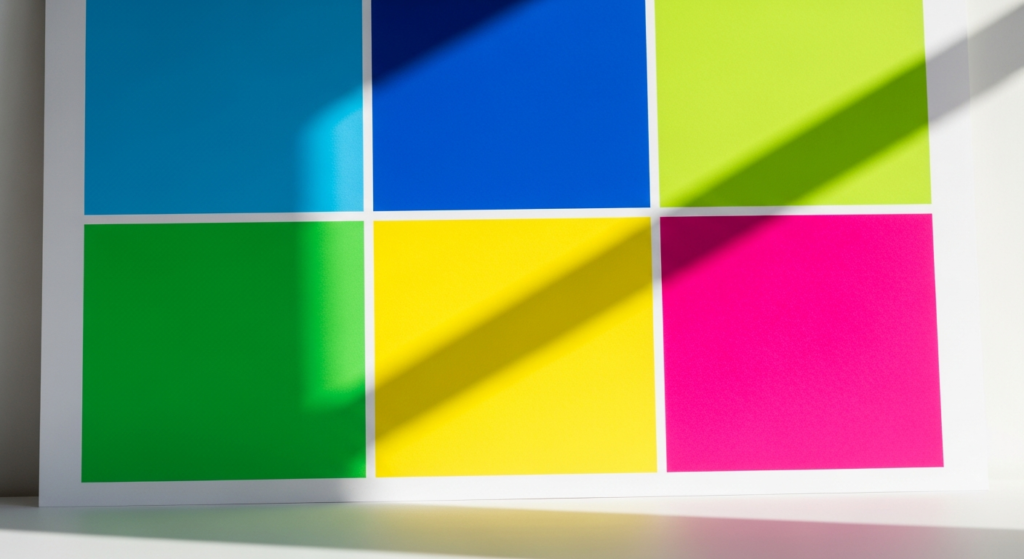
9. Bold Color Block Charts
Color blocking creates strong visual contrast.
It highlights key sections effectively.
Styling Tip:
Pair bold colors with neutral tones to maintain balance.
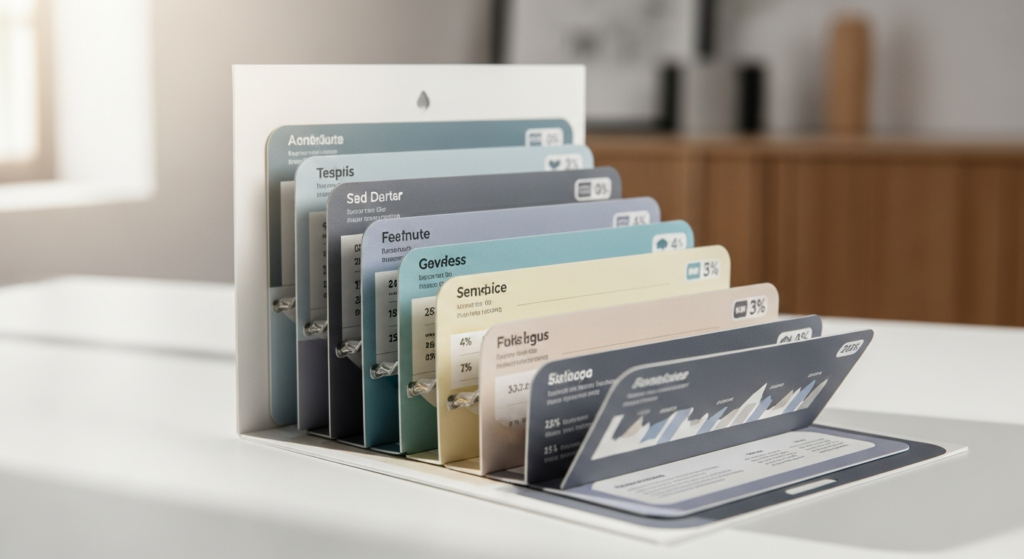
10. Interactive Flip Charts
Flip elements add movement and interactivity.
They encourage engagement and curiosity.
Styling Tip:
Use sturdy paper and clean folds for a neat, durable finish.

11. Elegant Border and Frame Designs
Framed layouts create structure and focus.
They give charts a finished, professional appearance.
Styling Tip:
Use thin borders or subtle patterns to enhance without overpowering the content.
Conclusion
Chart work can be both informative and visually stunning when approached with thoughtful design principles. By combining clean layouts, balanced colors, and creative textures, you can elevate simple school projects into refined presentations.
These ideas showcase how attention to detail transforms chart work into an art form—one that communicates clearly while leaving a lasting impression. With the right approach, every chart becomes a reflection of creativity and precision.
FAQs
1. How can I make my chart work look attractive?
Use clean layouts, balanced colors, and neat handwriting or typography for a polished result.
2. What colors work best for school charts?
Pastels, neutrals, and coordinated color palettes create a visually pleasing effect.
3. Are 3D charts better than flat charts?
3D charts can be more engaging, but simplicity and clarity are equally important.
4. How do I organize information on a chart?
Use sections, headings, and grids to structure content clearly.
5. What materials can improve chart presentation?
High-quality paper, markers, textured elements, and neat borders enhance the final look.