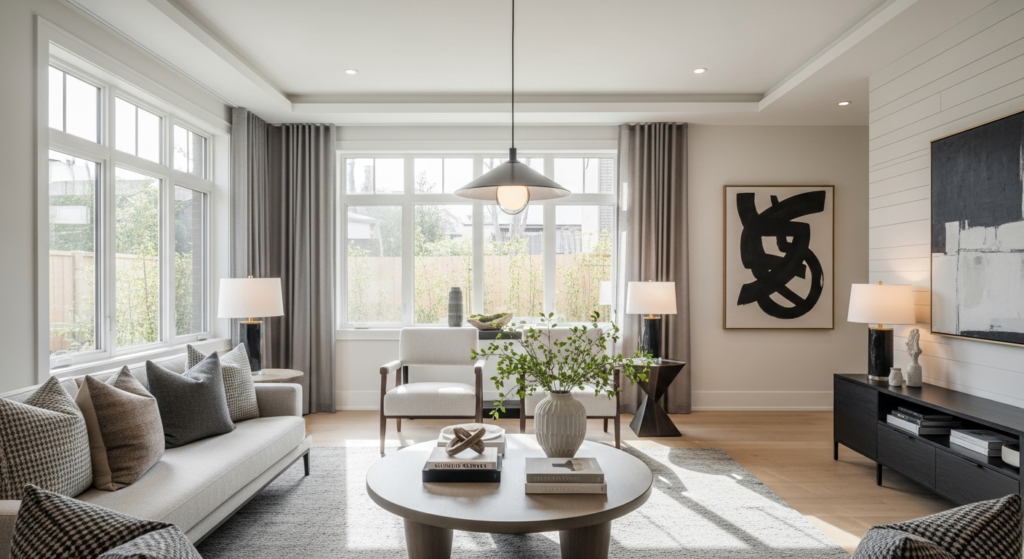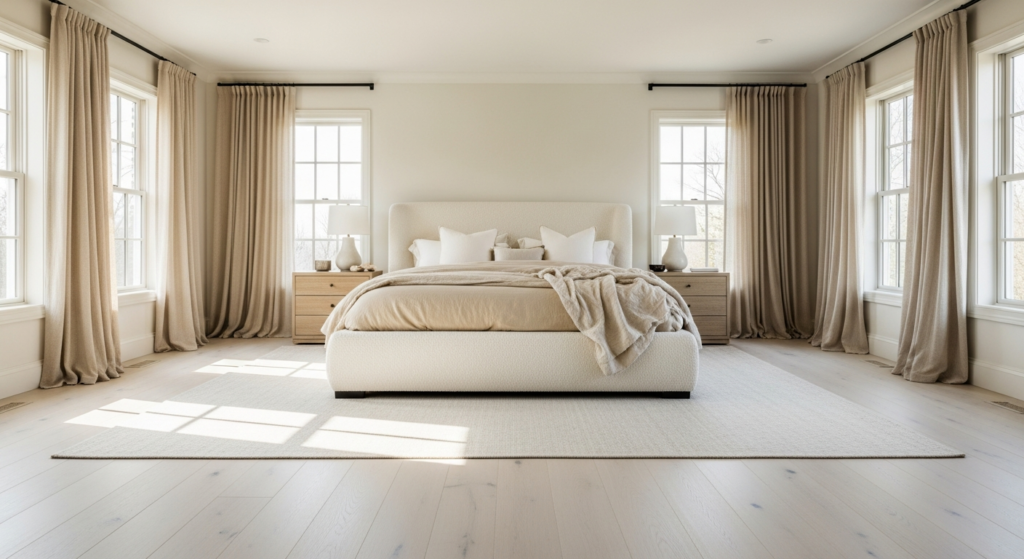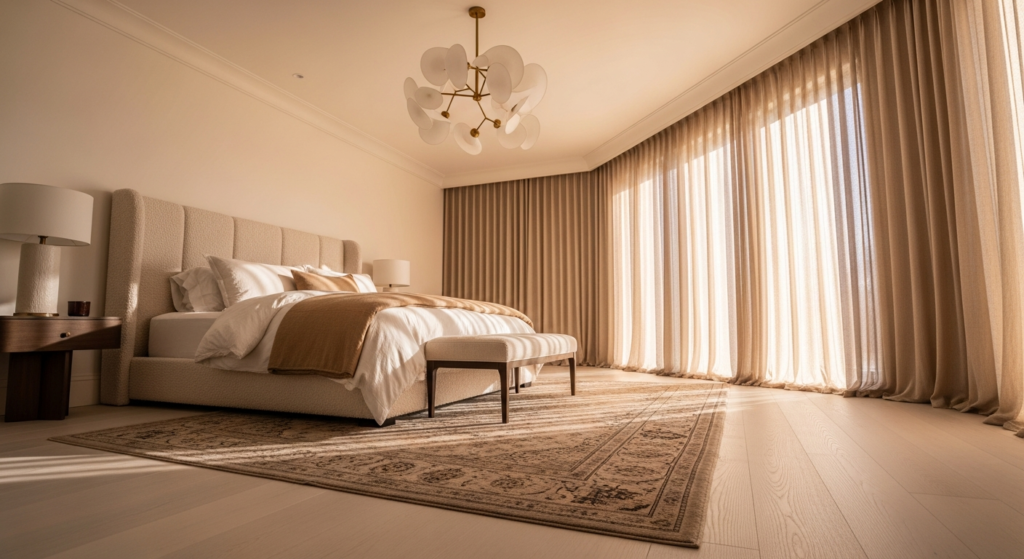
Introduction
Moving into a new apartment is one of life’s most exhilarating experiences — and one of its most overwhelming.
There is something profound about standing in an empty space that is entirely, suddenly yours. The bare walls hold infinite possibility. The light falls differently here than it did anywhere before. And somewhere beneath the practical chaos of boxes, keys, and utility accounts is the beginning of a home — your home — waiting to be shaped with intention and care.
The difference between a move that feels chaotic and exhausting and one that feels smooth and even joyful lies almost entirely in preparation. A well-considered apartment move-in checklist transforms what could be an overwhelming logistical exercise into a structured, manageable, even exciting process.
This guide covers the 15 most important steps in your apartment move-in checklist — from the practical essentials of safety and utilities to the deeply personal work of creating a space that feels beautiful, functional, and genuinely like home. Each step has been crafted not just to help you tick boxes, but to help you build a living space you will love returning to every single day.
1. Conduct a Thorough Move-In Inspection — Document Everything
Before a single box is carried through the door, the very first item on your apartment move-in checklist must be a thorough, documented inspection of the space. This is not simply a formality — it is a critical step that protects your security deposit and establishes a clear record of the apartment’s condition at the moment you took possession.
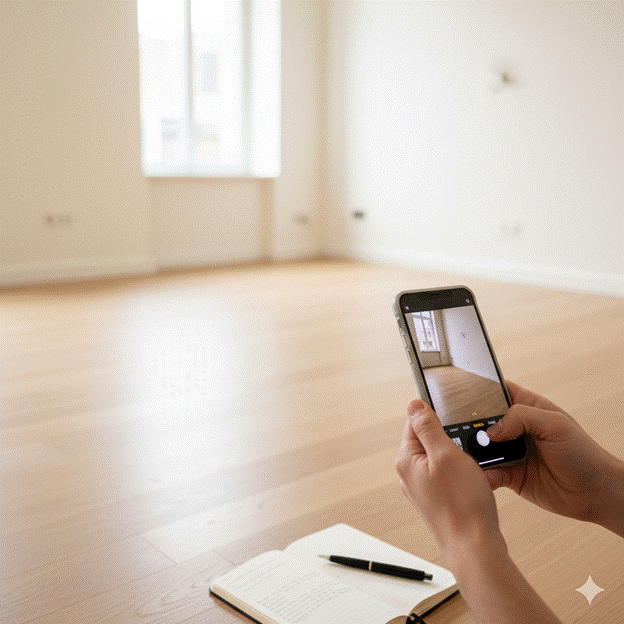
Walk every room systematically. Photograph walls, floors, ceilings, fixtures, appliances, and any pre-existing damage — scratches, scuffs, stains, chips, or cracks. Record the date and time on every photograph. Open every cupboard, test every tap, flush every toilet, and operate every window and lock. Note anything that does not function as expected.
Submit your documented inspection to your landlord or property manager in writing within 24 to 48 hours of moving in, and retain a copy for your own records throughout the tenancy. This single step can save you hundreds — or thousands — at the end of your lease.
✦ Styling Tip: Create a shared photo album on your phone specifically for move-in documentation. Organise images by room and back them up to cloud storage immediately. This creates a timestamped, easily accessible record that requires no additional paperwork and is difficult to dispute.
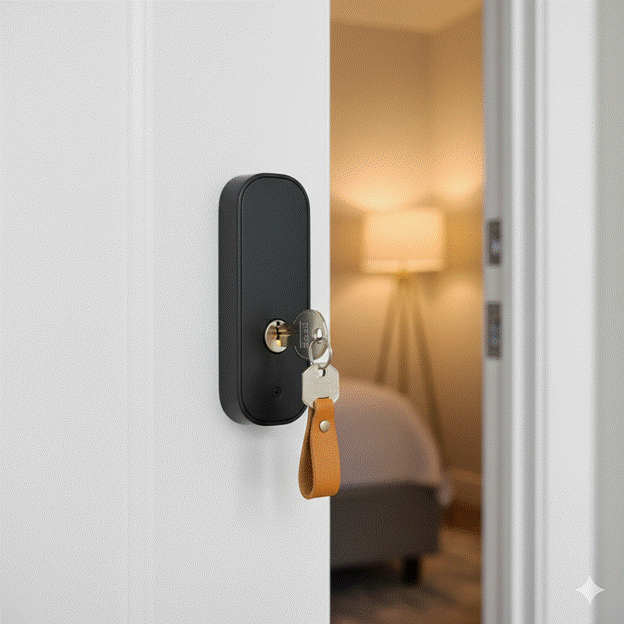
2. Change the Locks and Secure All Entry Points — Your Safety First
Your personal security is non-negotiable, and one of the first practical steps in any apartment move-in checklist should be ensuring that you — and only you — hold keys to your new home. Previous tenants, their friends, family members, or tradespeople may still have copies of existing keys. Changing the locks on move-in day eliminates this risk entirely.
In many tenancies, you are entitled to change the locks with landlord approval or notification. Invest in quality deadbolt locks for all entry doors, and consider a smart lock system — which allows keyless, code-based entry and a complete digital access log — for the highest level of both security and convenience.
Beyond the front door, inspect and secure all ground-floor windows, balcony doors, and any communal entry points. A simple window security latch or a sliding door bar costs very little and provides significant peace of mind.
✦ Styling Tip: While updating your locks, install a door reinforcement plate behind the main deadbolt. This inexpensive addition dramatically increases a door’s resistance to forced entry and is one of the most effective security upgrades available at any price point.
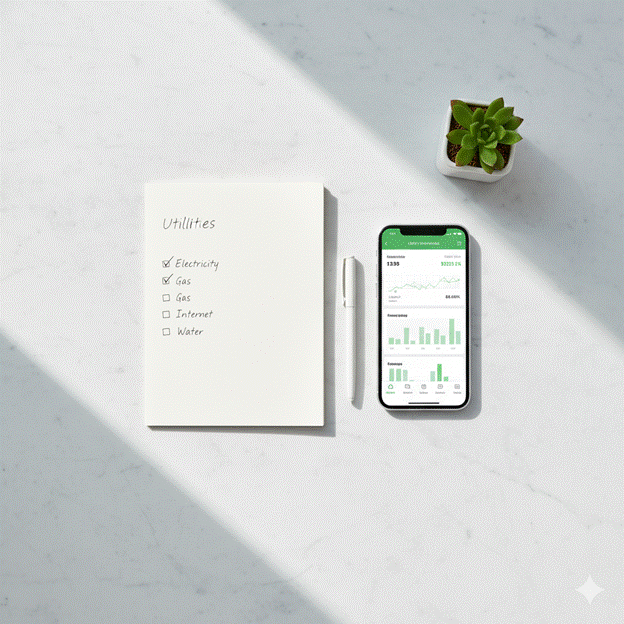
3. Set Up All Utilities Before Move-In Day — Arrive to a Functioning Home
There are few experiences more deflating than arriving at your new apartment with a van full of furniture to discover that the electricity has not been connected, the internet will not be active for another week, and the hot water system has not been transferred to your name.
Setting up utilities — electricity, gas, water, internet, and waste collection — at least two weeks before your move-in date ensures you arrive to a fully functioning home. Contact providers well in advance: internet connections in particular can take one to two weeks to activate, and scheduling errors are common during busy moving periods.
Compile a utilities checklist: electricity provider, gas supplier, water authority, internet and phone provider, building management or strata for any communal charges, and the post office for mail redirection from your previous address.
✦ Styling Tip: Set all utility accounts on direct debit from the outset and create a single digital folder — in your email or a notes app — containing every account number, provider contact, and reference number. This single act of organisation eliminates one of the most common sources of administrative stress in the first months of a new tenancy.
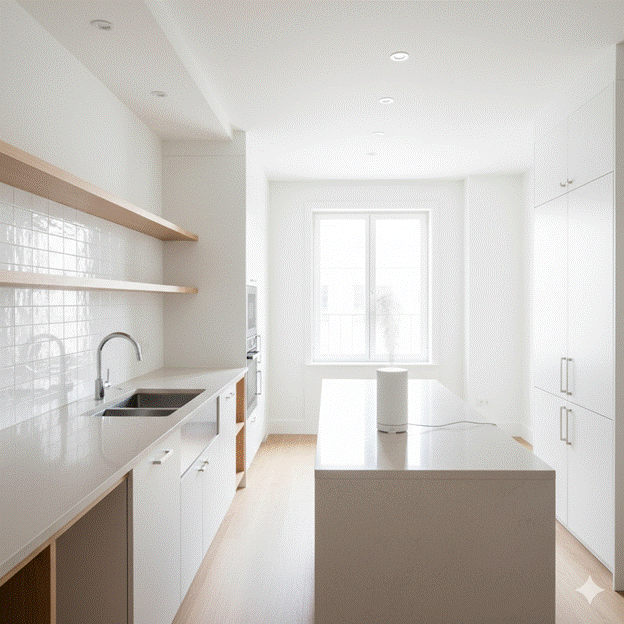
4. Deep Clean the Entire Apartment Before Unpacking — Start Pristine
Even if your new apartment has been professionally cleaned before handover, conducting your own deep clean before a single item is unpacked is one of the most valuable things you can do for the long-term cleanliness and aesthetic quality of your new home.
Clean inside every cupboard and drawer before placing your items inside. Wipe down all surfaces, shelving, and rails. Clean appliances inside and out — the oven, refrigerator, dishwasher, and range hood. Wash windows, wipe door frames, and mop every floor. Clean bathroom grout, descale taps and showerheads, and sanitise all surfaces.
This process takes time — allow a full day if possible — but the result is a genuinely fresh, clean foundation upon which to build your home. Moving furniture and boxes into an already clean apartment is infinitely more satisfying than cleaning around them afterward.
✦ Styling Tip: Before cleaning kitchen and bathroom surfaces, burn a diffuser or light a scented candle in each room. The combination of clean surfaces and a chosen home fragrance creates an immediate sensory imprint of your new space — the first step in making it feel unmistakably yours.
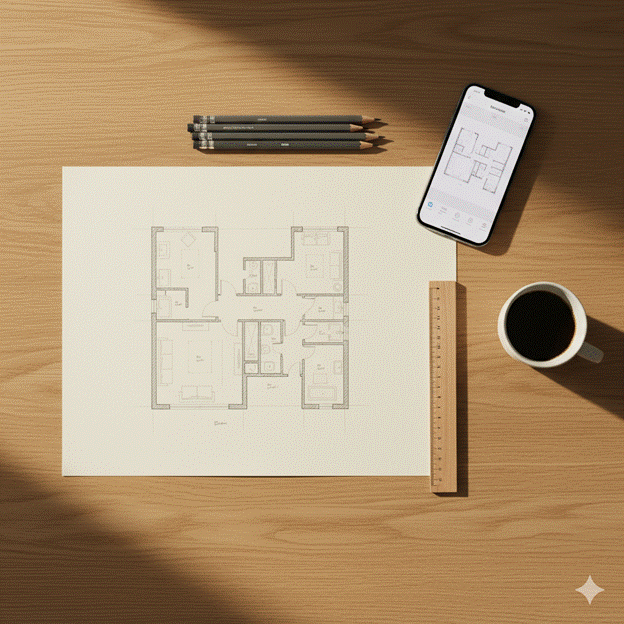
5. Create a Floor Plan Before Moving Furniture — Design with Intention
Moving heavy furniture multiple times on moving day because the layout does not work is exhausting, time-consuming, and entirely avoidable. Creating a floor plan before your furniture arrives is one of the most practical and aesthetically impactful items on any apartment move-in checklist.
Measure every room carefully — note the width and position of windows, doors, built-in wardrobes, power outlets, and light switches. Then sketch your floor plan to scale and map your furniture within it. Free apps like Planner 5D, RoomSketcher, or Magicplan make this process intuitive and visually useful.
Consider natural light sources when planning furniture placement: position seating to take advantage of the best light, orient the bed so morning light does not fall directly on the face, and ensure dining tables are near natural light where possible. Good furniture placement makes a room feel both larger and more liveable.
✦ Styling Tip: As you plan your floor plan, identify your apartment’s primary focal point in each room — a window with a view, a fireplace, a beautiful architectural feature — and arrange furniture to draw attention toward it. Design flows most naturally when it acknowledges and celebrates what is already beautiful about a space.
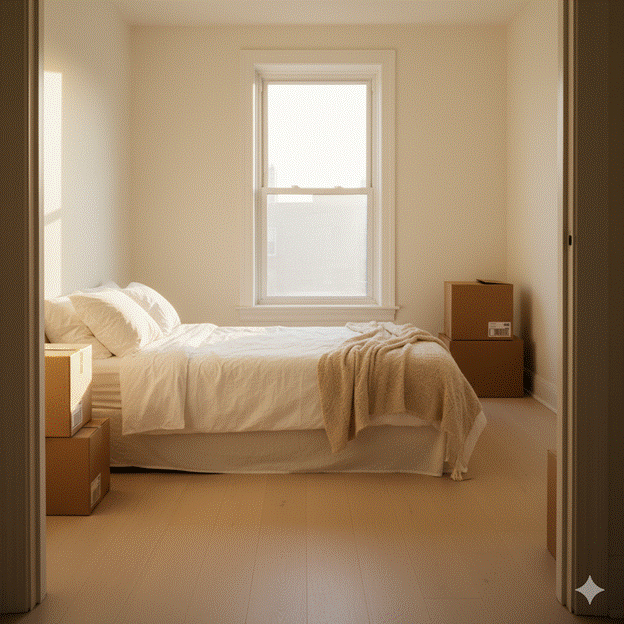
6. Assemble Essential Furniture First — Build Your Foundation Rooms
On move-in day, prioritise assembling the furniture that makes your apartment immediately liveable: the bed, the sofa, and a working dining or kitchen table. These three pieces transform an empty space into a functioning home and ensure that however exhausted you are at the end of moving day, you have somewhere comfortable to sleep, eat, and decompress.
Resist the temptation to unpack everything at once. Instead, build your foundation rooms first — bedroom and living area — with the key pieces, and leave secondary rooms and detailed styling for the days that follow. A well-made bed in a clean bedroom is worth more on the first night than a fully styled apartment with no place to rest.
As you assemble, consider each piece’s relationship to light, traffic flow, and the walls around it. Even provisional furniture placement that is thoughtful from the outset saves significant rearranging later.
✦ Styling Tip: Keep your bed assembly hardware — allen keys, instruction manuals, and spare bolts — in a small labelled zip-lock bag and store it in your bedside drawer. This single habit ensures that when you need to disassemble or adjust furniture in future, every component is immediately to hand.
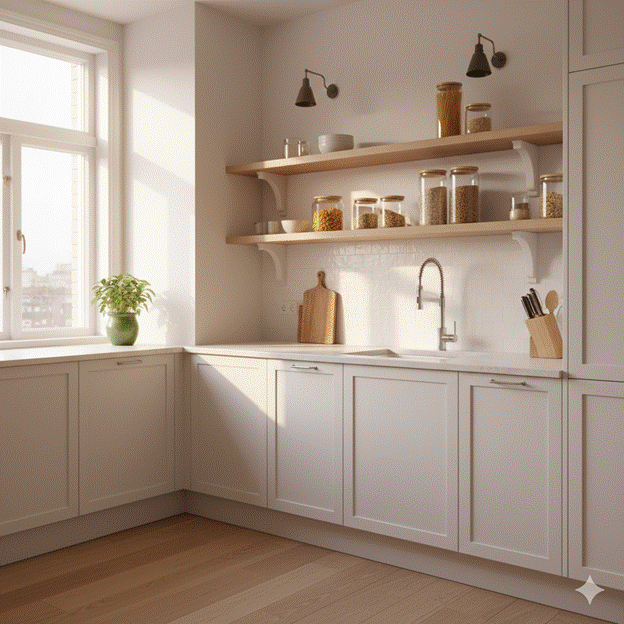
7. Set Up the Kitchen Thoughtfully — Function Meets Aesthetic
The kitchen is the room that most directly affects daily quality of life in a new apartment — and setting it up thoughtfully from the outset will save you frustration, time, and clutter for the duration of your tenancy.
Before placing items in cupboards and drawers, consider the logic of your kitchen layout: store items where you will use them. Pots and pans near the hob. Plates and glasses near the dishwasher. Baking equipment together in one dedicated zone. Spices and oils within reach of the cooking area. This systems-thinking approach to kitchen organisation transforms daily cooking from a chore into a pleasure.
On the countertop, resist the urge to place every appliance. Leave generous clear surface space — it makes the kitchen feel larger, cleaner, and more functional. Style the counter with two or three beautiful, functional objects: a ceramic utensil holder, a wooden cutting board propped against the splashback, and a small plant or herb pot in a handmade ceramic.
✦ Styling Tip: Line the interior of your kitchen cupboards and drawers with adhesive shelf paper before placing items inside. This protects the surfaces, makes cleaning significantly easier, and adds a small but genuinely beautiful finishing touch that elevates the feel of the entire kitchen interior.
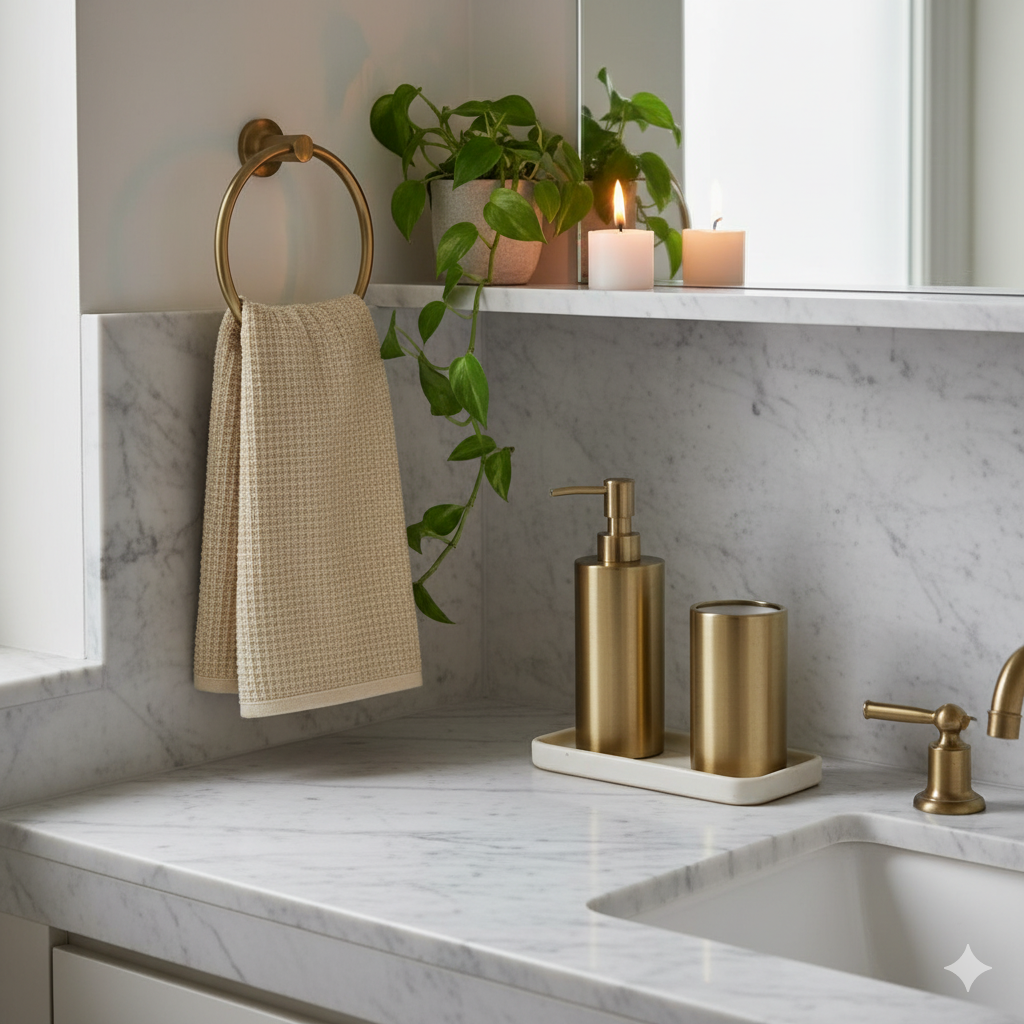
8. Organise the Bathroom with Spa-Like Intention — Calm from Day One
A well-organised bathroom has an extraordinary effect on daily wellbeing that is entirely disproportionate to the room’s size. Setting up your bathroom with care and aesthetic intention from move-in day establishes a daily ritual of calm that the rest of your apartment will benefit from by association.
Invest in a cohesive set of bathroom accessories — a soap dispenser, toothbrush holder, cotton bud jar, and small tray in a shared material and finish. Brushed brass, matte black, white ceramic, and natural travertine are all beautiful choices that create instant visual cohesion. Decant your products into matching bottles for the shower and bath area.
Add a linen hand towel in a neutral, high-quality fabric folded neatly on the vanity, a small plant (pothos, air plants, or bamboo thrive in bathroom humidity), and a single scented candle. These three additions transform a functional bathroom into a daily retreat.
✦ Styling Tip: Install a simple tension rod under the sink to double your storage for cleaning products without drilling a single hole. Hang spray bottles on the rod and organise smaller items in matching baskets on the shelf below. It is invisible, inexpensive, and remarkably effective.
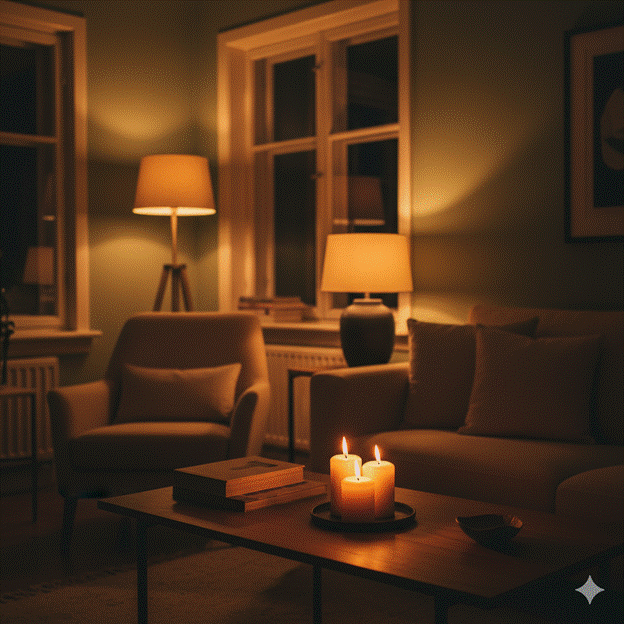
9. Establish Your Lighting Plan — The Invisible Architecture of Your Home
The lighting in a new apartment as it arrives — typically a single overhead fixture per room — is almost always insufficient for creating the warm, layered, inviting atmosphere that makes a home feel genuinely beautiful. Establishing your lighting plan early in the move-in process is one of the most transformative investments of time and resources you can make.
Every room benefits from at least three types of light: ambient (general room illumination), task (focused light for reading, cooking, or working), and accent (atmospheric mood lighting from lamps, candles, or LED strips). Layer these sources thoughtfully: a floor lamp in a living room corner, a bedside lamp for reading, under-cabinet lighting in the kitchen, and a scented candle cluster on the coffee table.
Replace harsh, cool-white bulbs — which flatten surfaces and create a clinical atmosphere — with warm-toned bulbs in the 2700K to 3000K range throughout the apartment. This single change costs almost nothing and immediately transforms how every room feels.
✦ Styling Tip: Before purchasing floor lamps, table lamps, or pendant lights, photograph your empty rooms in the evening without any lighting and note which corners feel darkest and most neglected. These are your priority lighting zones — addressing them first will create the greatest transformative impact on your apartment’s overall atmosphere.
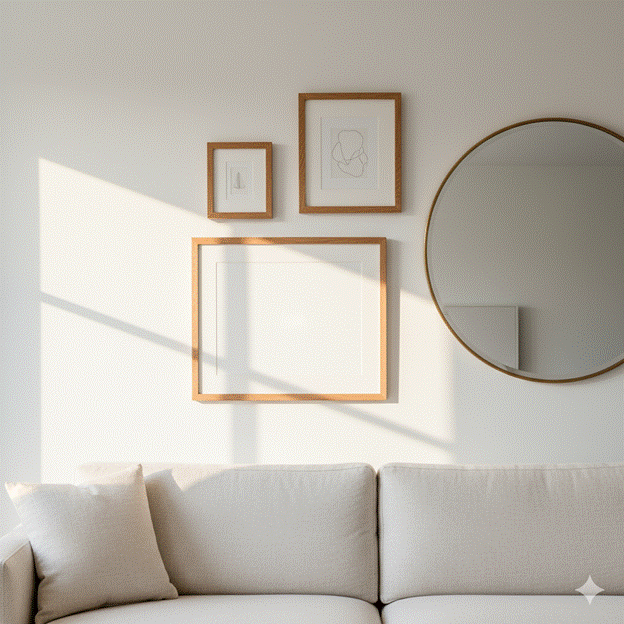
10. Hang Art and Mirrors Strategically — Give Your Walls a Voice
Bare walls are one of the clearest signals of a space not yet fully inhabited. Hanging art, mirrors, and wall-mounted objects is the single most effective way to make a new apartment feel like a personalised, considered home rather than a temporary stopping point.
Plan your wall arrangements before lifting a single hammer. Lay frames on the floor to experiment with gallery wall compositions. Use painter’s tape to mark approximate positions on the wall before committing to holes. Position artwork at eye level — the centre of the piece at approximately 145–152cm from the floor — as a reliable starting point.
Mirrors are particularly valuable in a new apartment: a large mirror in the living room expands the perceived space, reflects natural light deep into the room, and adds a note of elegance that few other wall pieces can match. A full-length mirror in the bedroom is simultaneously functional and aesthetically powerful.
✦ Styling Tip: Before hanging anything, spend several days living in your apartment and observing how the light moves through each room at different times of day. Art that is beautifully lit by morning sun will look entirely different in the flat light of the afternoon. Understanding your light before committing to wall placement will save both frustration and unnecessary holes.
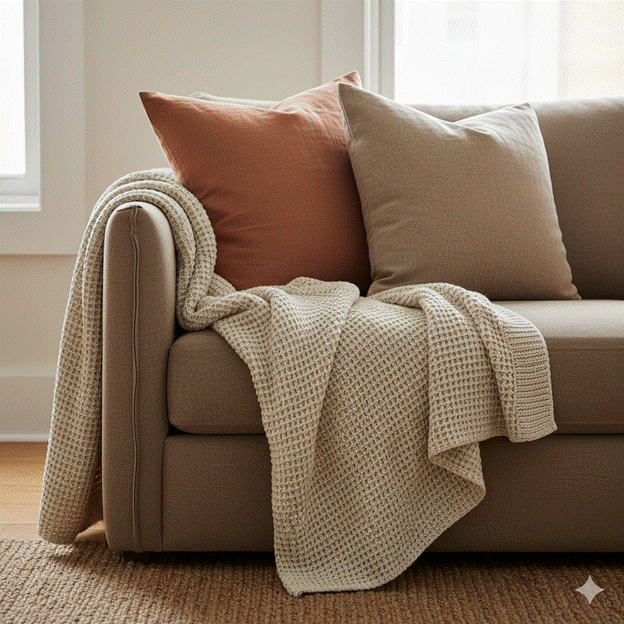
11. Add Textiles and Soft Furnishings — Warmth, Texture, and Comfort
Nothing transforms the feeling of a new apartment from cold and unfamiliar to warm and genuinely inviting more quickly or more affordably than well-chosen textiles. Rugs, cushions, throws, curtains, and bedding are the soft architecture of a home — they absorb sound, add colour and texture, and create the sensory richness that makes a space feel truly lived in.
Begin with the largest textile in the room: the rug. A well-chosen, generously sized rug anchors a seating arrangement, defines the dining zone, or frames a bed with warmth and intention. Choose natural fibres — wool, jute, cotton, or linen — for durability, beauty, and a quality underfoot that synthetic alternatives cannot replicate.
Layer cushions and throws on the sofa and bed in a tonal palette — two or three complementary tones in varying textures creates a rich, curated effect without visual chaos. Hang full-length curtains high and wide to frame windows with elegance and make ceilings feel taller.
✦ Styling Tip: When choosing a rug for your living room, always go larger than your first instinct suggests. The most common soft furnishing mistake in new apartments is an undersized rug that leaves the front legs of furniture floating in empty space. As a rule: all front legs of seating should sit on the rug, or the entire furniture grouping should sit fully within it.
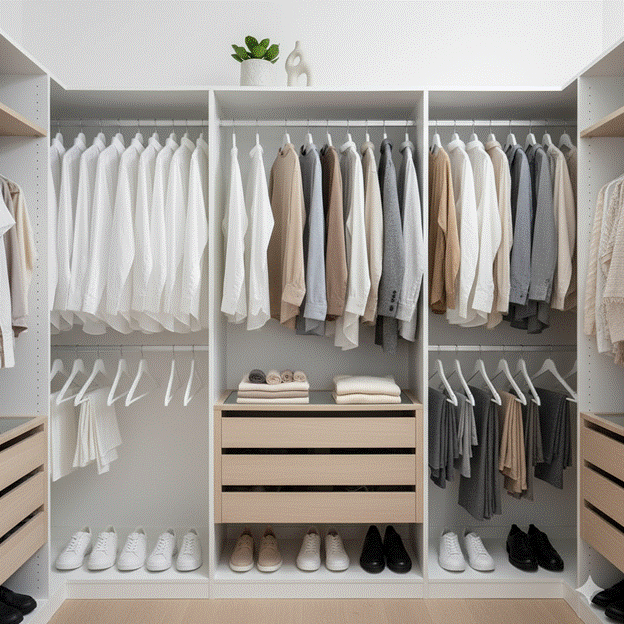
12. Organise Your Storage Spaces Systematically — A Place for Everything
The difference between an apartment that feels chaotic after six months and one that remains calm and organised lies almost entirely in how storage spaces are set up in the first weeks. Investing time in organising wardrobes, linen cupboards, pantry shelves, and bathroom cabinets from the outset creates systems that are easy to maintain and deeply satisfying to live within.
In wardrobes, organise clothing by category and colour within each category — all tops together, ordered light to dark; all trousers together; all dresses in sequence. Install additional hanging rails, shelf dividers, or drawer organisers if the existing storage is insufficient. A wardrobe that functions beautifully makes getting dressed a pleasure rather than a daily exercise in frustration.
In the pantry and kitchen, use matching storage containers for dry goods — glass jars, ceramic canisters, or a cohesive set of airtight containers in a shared material. The visual consistency of matching containers transforms a practical storage space into something genuinely beautiful.
✦ Styling Tip: Before organising any storage space, ask yourself the fundamental question: how often do I use this? Daily-use items belong at the most accessible level — eye height in the wardrobe, front of the pantry shelf, top drawer in the bathroom. Rarely used items belong higher, lower, or further back. This simple hierarchy eliminates the daily frustration of searching for things that should be immediately to hand.
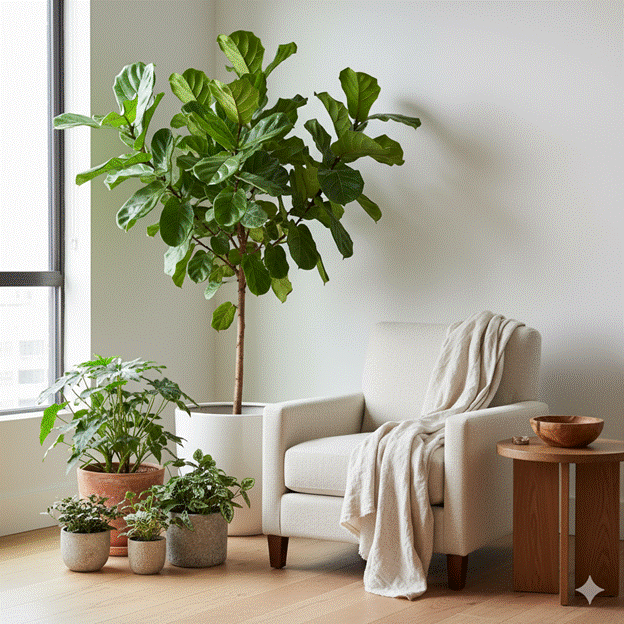
13. Introduce Plants and Natural Elements — Life and Living Beauty
A new apartment without plants is a space waiting to become fully alive. The addition of living greenery — whether a dramatic fiddle leaf fig in the corner of the living room, a trailing pothos on a high shelf, or a cluster of succulents on the kitchen windowsill — introduces an organic warmth and visual richness that no purchased object can replicate.
Begin with low-maintenance, high-impact varieties suited to your apartment’s light conditions. In bright, sunny rooms: fiddle leaf figs, birds of paradise, or rubber plants. In lower-light conditions: pothos, snake plants, peace lilies, or ZZ plants. All are beautiful, all are relatively forgiving of imperfect care, and all will reward consistent attention with extraordinary growth over time.
Beyond potted plants, introduce natural elements throughout the apartment: a wooden bowl on the dining table, a marble tray on the coffee table, a linen throw on the sofa, dried botanicals in a ceramic vase. The interplay of natural materials — wood, stone, linen, ceramic, plant — creates a layered, organic warmth that feels both contemporary and timeless.
✦ Styling Tip: Position your largest plant in the corner of your primary living space before any other decor is finalised. The plant’s scale and presence will inform how you style the space around it — and its natural, organic shape will soften the hard architectural lines of a new, unfamiliar apartment more effectively than any piece of art or furniture.
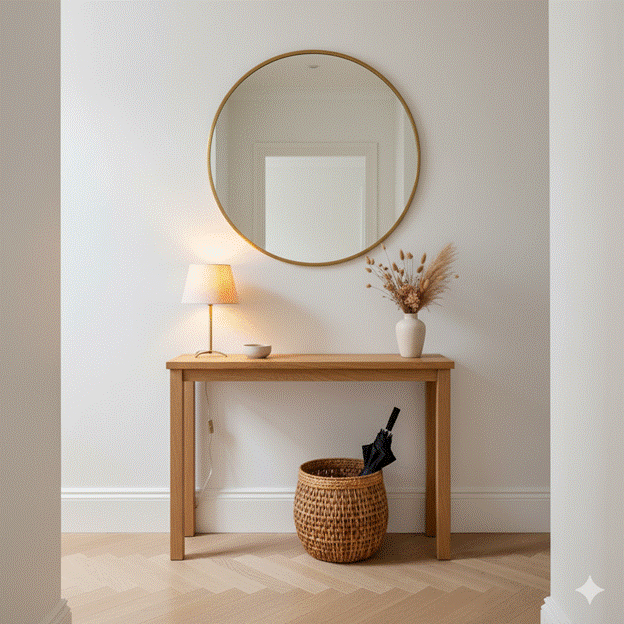
14. Create a Welcome Entry Space — First Impressions Begin at Your Own Door
The entry of your apartment — however small — sets the tone for everything that follows. It is the first thing you see when you arrive home and the last thing you register before you leave. A thoughtfully styled entry creates an immediate sense of arrival, of warmth, and of home that begins before you have taken a single step inside the living space.
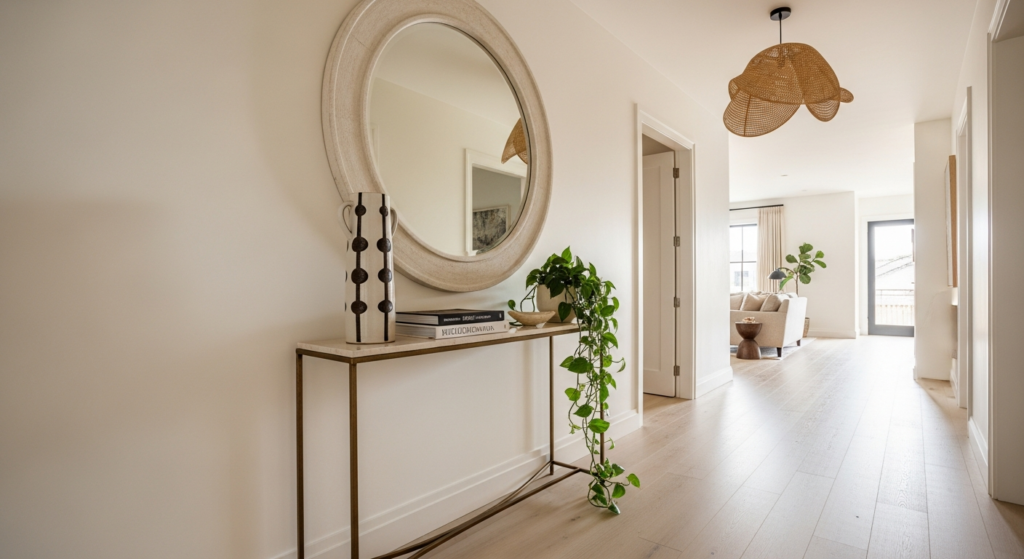
In even the smallest apartment entry, there is room for the essentials of an intentional arrival space: a hook or small rack for keys, a narrow console table or floating shelf for bags and mail, a mirror to check your appearance before leaving, and a small tray or bowl for the daily objects — keys, sunglasses, cards — that would otherwise scatter across every surface in the apartment.
Style the entry console with a small lamp for warm evening light, a single beautiful plant or dried botanical arrangement, and one or two considered decorative objects. The entry does not need to be elaborate — it needs to be intentional. Calm entry, calm home.
✦ Styling Tip: If your apartment entry has no natural light, install a warm-toned wall sconce or a plug-in lamp on a timer set to turn on before you typically arrive home. Arriving to a warmly lit entry rather than a dark corridor is one of the small but genuinely significant daily pleasures that makes a new apartment feel genuinely welcoming.
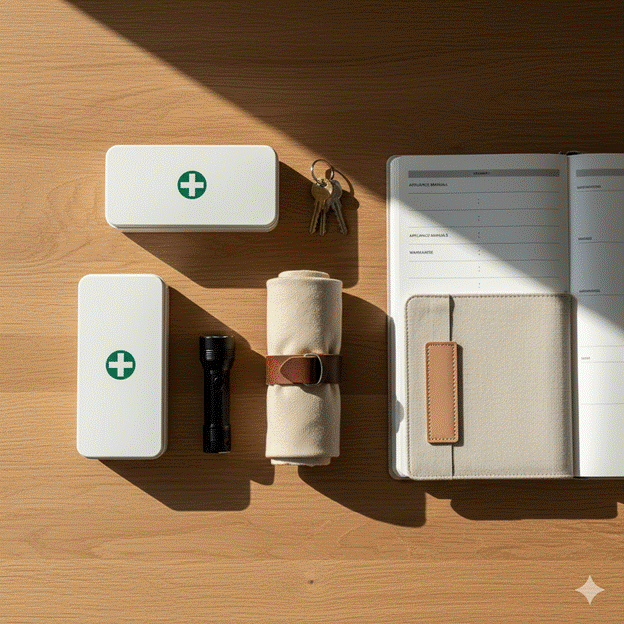
15. Build Your Emergency and Essentials Kit — Prepared and Protected
The final item on any comprehensive apartment move-in checklist is perhaps the least glamorous — but it is among the most important. Building a basic emergency and essentials kit in your new apartment ensures that you are prepared for the inevitable small crises that arise in any home, without the stress of sourcing solutions at inconvenient moments.
Your apartment essentials kit should include: a basic toolkit (hammer, screwdrivers, measuring tape, level, pliers, and an assortment of picture hooks and wall anchors), a first aid kit restocked with current supplies, a torch and spare batteries, a spare set of keys in a trusted location, a fire extinguisher appropriate for kitchen fires, and a list of emergency contacts — landlord, building manager, plumber, electrician, and local emergency services.
Store these items in a single, clearly labelled location that every person in the apartment knows and can access easily. The peace of mind that comes from being genuinely prepared for everyday household challenges is one of the quietest and most significant foundations of a settled, confident home life.
✦ Styling Tip: Create a simple home binder — a slim A4 folder — containing all apartment-related documents: your lease agreement, the move-in inspection report, utility account details, insurance policy documents, appliance manuals, and your emergency contacts list. Store it in an accessible location and update it whenever any detail changes. This single resource will prove invaluable throughout your tenancy.
Conclusion
Moving into a new apartment is not just a logistical event — it is a creative act.
It is the beginning of a relationship with a space that will hold your routines, your rest, your meals, your conversations, and your quiet moments for months or years to come. The care you bring to the move-in process — the thoroughness of your inspection, the thoughtfulness of your furniture placement, the intention behind each styling choice — will be repaid every single day in the quality of the life you live within those walls.
Work through this checklist methodically, but not without joy. Linger in the rooms as they take shape. Notice the light at different hours. Let the space teach you what it wants to become. The most beautiful homes are not the ones that were perfectly styled overnight — they are the ones that were built slowly, thoughtfully, and with genuine love for the act of making a place feel like home.
Your new apartment is waiting. Begin with intention — and enjoy every step of the journey.
Frequently Asked Questions (FAQs)
1. What should I do first when moving into a new apartment?
The very first steps when moving into a new apartment should be conducting and documenting a thorough move-in inspection, changing the locks for security, and ensuring all utilities are connected. These three actions protect your legal rights, ensure your personal safety, and establish the functional foundation upon which everything else — the decorating, the organising, the settling in — can begin.
2. How long does it take to fully settle into a new apartment?
Most people feel genuinely settled in a new apartment within four to eight weeks of moving in — once the furniture is arranged, the walls are dressed, storage systems are established, and the daily rhythms of the new space have become familiar. The key is to prioritise the rooms you use most (bedroom, bathroom, kitchen, and living area) in the first week, and allow secondary spaces and detailed styling to develop organically over the following weeks.
3. What are the most important things to buy when moving into a new apartment?
The most important purchases for a new apartment fall into three categories: functional essentials (quality bedding, towels, kitchenware, and cleaning supplies), organisational tools (storage solutions for the wardrobe, kitchen, and bathroom), and atmospheric investments (a good rug, warm-toned lighting, curtains, and one or two plants). Prioritise quality over quantity in each category — fewer, better items create a more beautiful and functional home than a large volume of mediocre ones.
4. How can I make a new apartment feel like home quickly?
The fastest way to make a new apartment feel like home is to surround yourself with things that carry personal meaning: familiar textiles (your own bedding and favourite cushions), your books, your art, your plants, and your chosen scent through candles or a diffuser. The sensory familiarity of smell, texture, and the sight of personally meaningful objects creates an immediate psychological sense of belonging that transforms an unfamiliar space into a home far more quickly than any amount of new furniture or decor can achieve.
5. What is often forgotten on a move-in checklist?
The most commonly overlooked items on an apartment move-in checklist include: changing the locks, documenting pre-existing damage with photographs, setting up mail redirection, updating your address with banks, government departments, and subscription services, arranging contents insurance before move-in day, and establishing a lighting plan beyond the existing overhead fixtures. Of these, contents insurance and lock-changing are the most consequential omissions — both are easy to arrange in advance and both protect you in ways that become apparent only in the moments you most need them.