Introduction
Living in a small apartment is not a limitation — it is an invitation to design with intention.
The most inspiring interiors are rarely the largest ones. They are the ones that balance beauty and function so seamlessly that every square foot feels purposeful, inviting, and entirely yours. A well-designed small apartment can feel every bit as luxurious as a sprawling loft — it simply requires a more thoughtful approach.
Whether you are navigating a studio apartment, a compact one-bedroom, or a cosy urban flat, the right decorating strategies can completely transform how your space looks and, more importantly, how it feels to live in.
These 14 small apartment decorating ideas are rooted in modern design principles, practical functionality, and timeless aesthetic appeal. Read on — your most beautiful home is closer than you think.
1. Embrace Multifunctional Furniture to Do More with Less
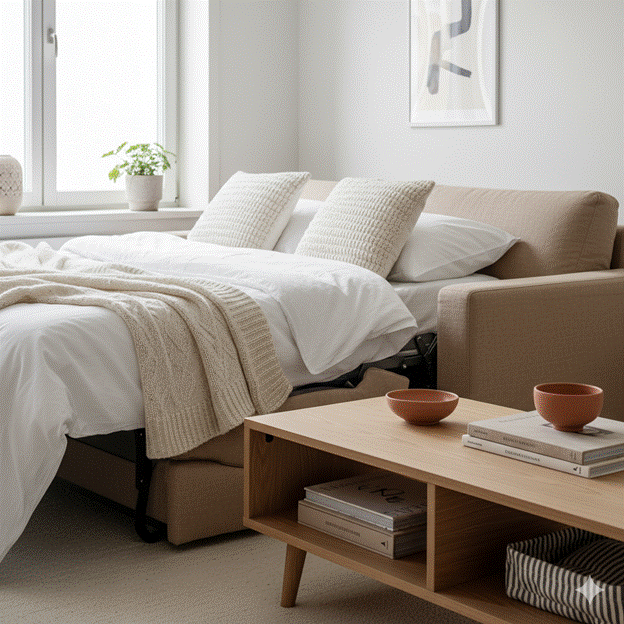
In a small apartment, every piece of furniture must earn its place. Multifunctional furniture — pieces that serve two or more purposes — is the cornerstone of intelligent small-space design.
Think a sofa that converts into a guest bed, a coffee table with hidden storage compartments, or an ottoman that doubles as a dining seat and a blanket chest. A murphy bed with built-in shelving transforms a bedroom into a home office during the day without sacrificing style.
Invest in pieces with clean lines and neutral tones. A well-chosen multifunctional piece should look like considered design — not a compromise.
✦ Styling Tip: Choose a bed frame with deep under-bed drawers in a warm natural wood or matte black finish. It quietly doubles your storage without adding visual clutter to the room.
2. Use Vertical Space to Expand Your Square Footage
When floor space is limited, think vertically. Walls are the most underutilised real estate in any small apartment — and when used thoughtfully, they create a sense of depth and grandeur that no amount of floor space can replicate.
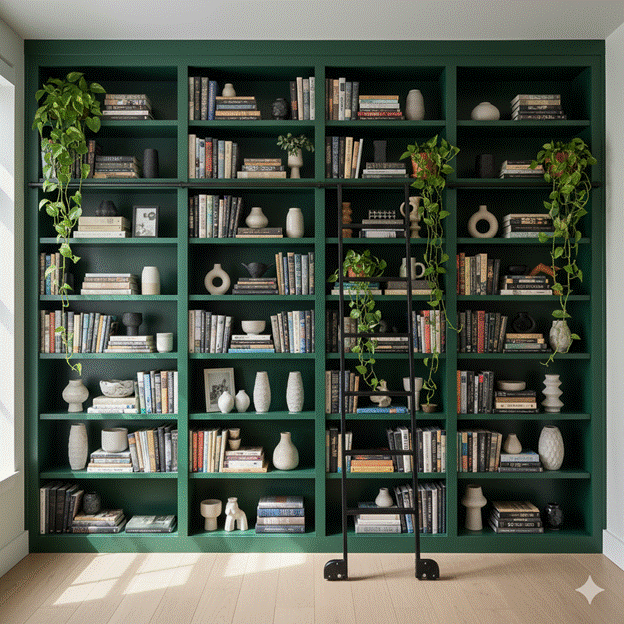
Install floor-to-ceiling bookshelves to draw the eye upward and make ceilings feel higher. Mount floating shelves above doorways and windows for storage that disappears into the architecture. Use tall, slender furniture — a narrow armoire, a vertical accent mirror, a stacked shelving unit — to emphasise height over width.
The vertical dimension is your ally. Use it generously.
✦ Styling Tip: Paint your floating shelves the same colour as your walls for a built-in, bespoke aesthetic. This creates a sense of depth without visual noise — a technique borrowed from luxury interior design studios.
3. Choose a Light, Cohesive Colour Palette
Colour is one of the most powerful tools in small-space decorating. Light, cohesive palettes make rooms feel airy, open, and larger than their actual dimensions.
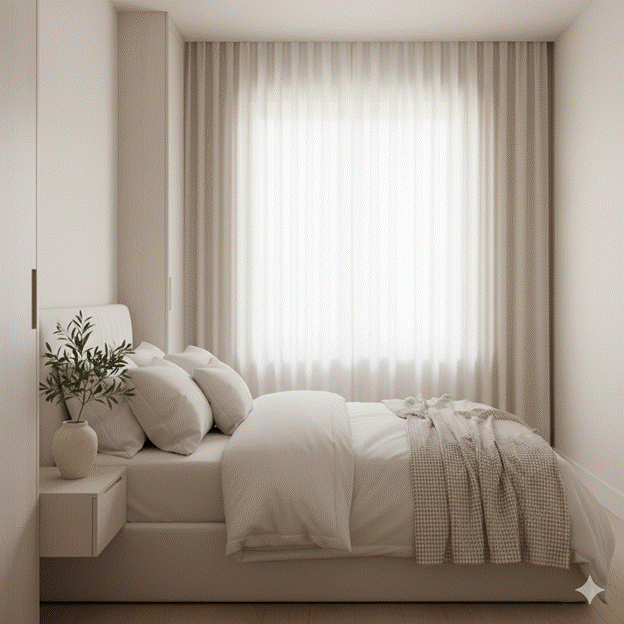
Soft whites, warm creams, pale greiges, and muted sage greens are perennial favourites in compact apartment design. The key is cohesion — carrying a single palette through walls, textiles, and furniture creates a seamless flow that tricks the eye into perceiving more space.
This does not mean your apartment must be colourless. Rich accents — a terracotta cushion, a deep navy throw, a warm amber lamp — add personality without the visual weight of an all-colour scheme.
✦ Styling Tip: Paint your walls, trim, and built-in shelving in the same warm white tone. This tonal layering creates a sophisticated, gallery-like backdrop that makes your furniture and decor feel curated rather than cluttered.
4. Layer Strategic Lighting to Create Depth and Warmth
Lighting is the invisible architecture of a room. In a small apartment, a well-considered lighting plan can create the illusion of space, warmth, and visual depth that no furniture arrangement alone can achieve.
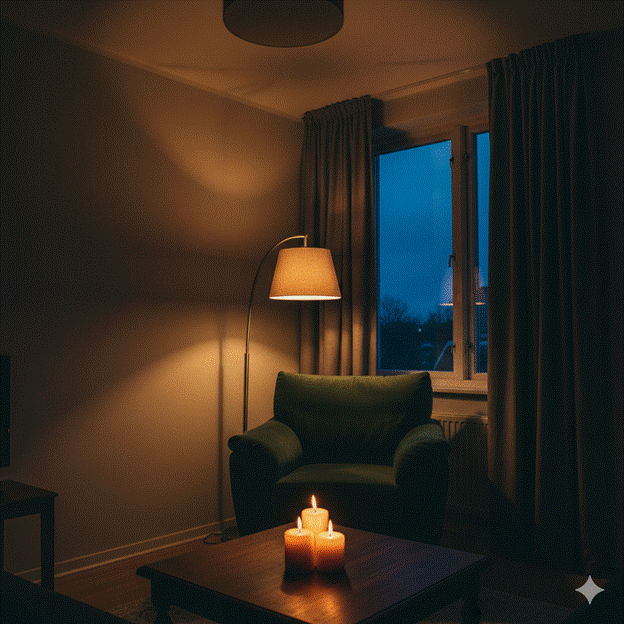
Layer three types of light: ambient lighting (ceiling fixtures or recessed lights for general illumination), task lighting (desk lamps, under-cabinet lights for function), and accent lighting (wall sconces, floor lamps, and candles for atmosphere and mood).
Warm-toned bulbs — in the 2700K–3000K range — create a golden, inviting glow that makes small spaces feel cosy and intimate rather than cramped. Avoid harsh, cool-white overhead lighting, which flattens a room’s depth.
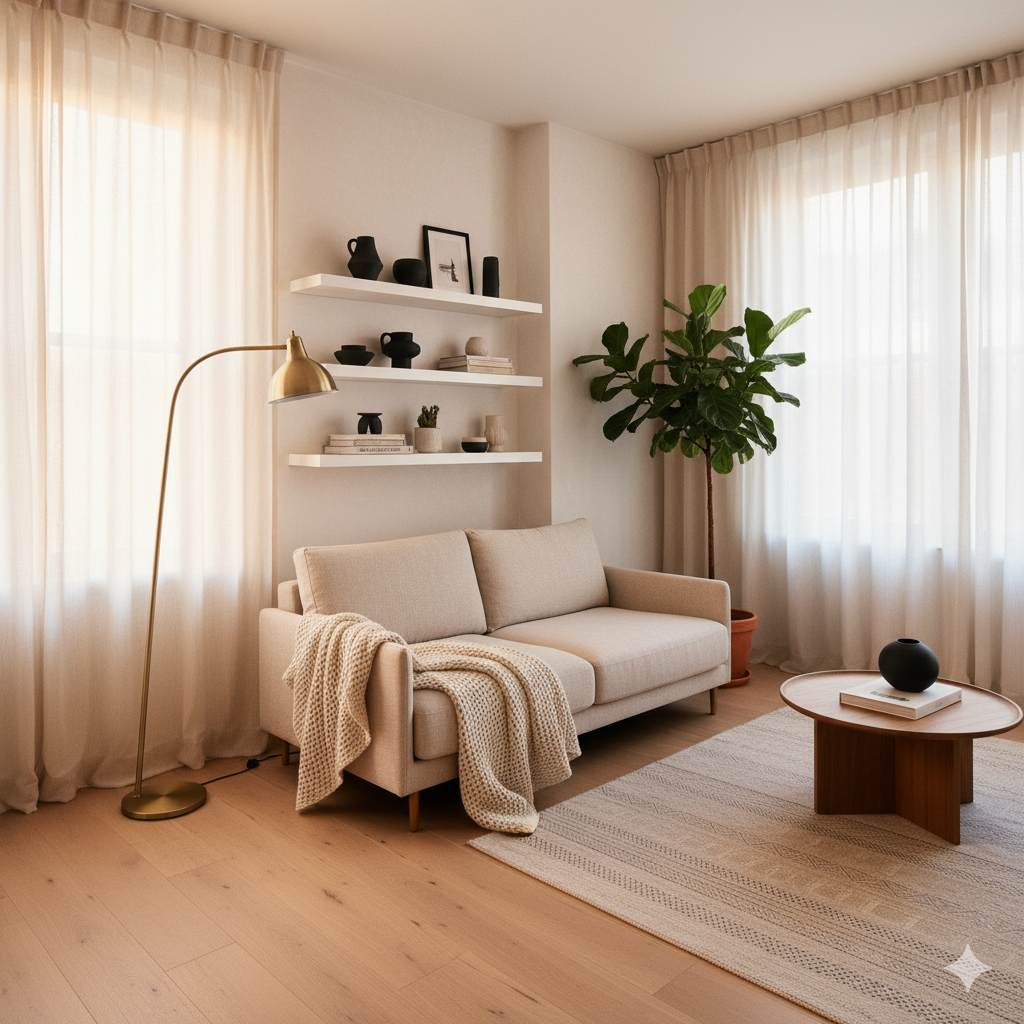
✦ Styling Tip: Place a tall arc floor lamp in an empty corner to add height and warmth simultaneously. A brushed brass or matte black finish will anchor the space elegantly while the warm-toned bulb softens every surface around it.
5. Incorporate Mirrors to Amplify Space and Light
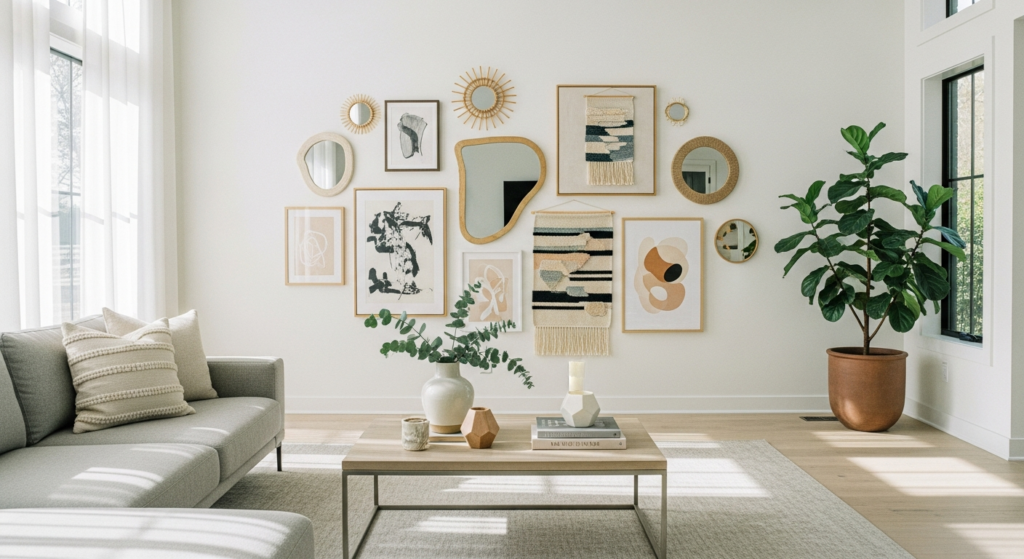
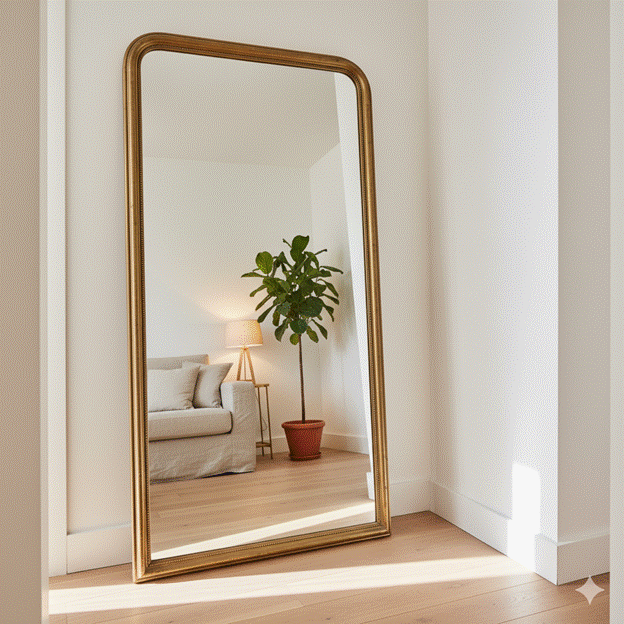
Mirrors are the oldest trick in the interior design playbook — and for very good reason. A well-placed mirror can visually double the size of a room, reflect natural light deep into the space, and add a note of glamour that elevates the overall aesthetic.
In a small apartment, consider a large, leaning floor mirror in the living room to create the illusion of a second room beyond the reflection. In a narrow hallway, a full-length wall mirror dramatically widens the passage. In the bedroom, a mirrored wardrobe door serves a practical purpose while quietly expanding the visual horizon.
Choose frames that complement your palette — antique brass, matte black, or natural wood for warmth; brushed silver or clean white for a modern, airy feel.
✦ Styling Tip: Position a large mirror directly opposite your primary window. During the day, it will fill your apartment with natural light; in the evenings, it will reflect candlelight and lamp glow, creating a luminous, layered ambiance.
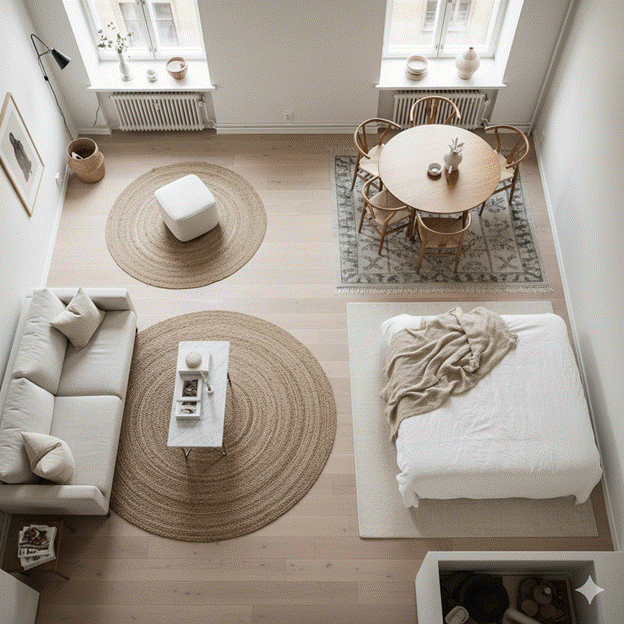
6. Define Zones with Rugs to Create Distinct Spaces
In an open-plan apartment or studio, the absence of walls does not mean the absence of zones. Area rugs are one of the most elegant and effective tools for defining separate living areas within a single, flowing space.
Anchor the living area with a generous rug beneath the sofa and coffee table. Use a smaller rug under the dining table to separate it from the lounge. In a studio, a rug beneath the bed creates a distinct sleeping zone, psychologically separating it from the living and working areas.
Choose rugs with low pile heights for small spaces — they are easier to clean, less visually dominant, and create a sleeker, more modern aesthetic. Natural materials like jute, wool, or cotton add texture and warmth without heaviness.
✦ Styling Tip: When in doubt, go larger with your rug. An undersized rug is one of the most common decorating mistakes in small apartments. A larger rug grounds the furniture and makes the room feel more considered and spacious.
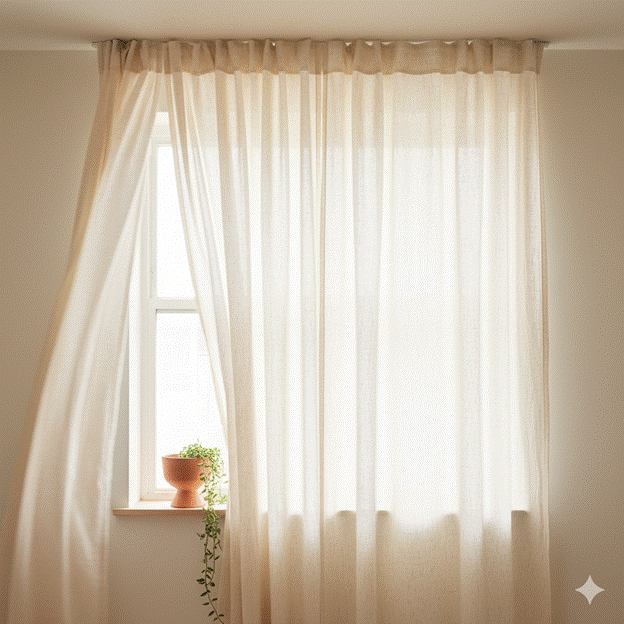
7. Maximise Natural Light with Thoughtful Window Treatments
Natural light is the most transformative — and free — design element available to any apartment dweller. Maximising the amount of daylight that enters your home will make every corner feel more open, more alive, and more beautiful.
Opt for sheer, lightweight curtains in linen or cotton voile rather than heavy drapes that absorb light and add visual bulk. Mount curtain rods as close to the ceiling as possible and extend them well beyond the window frame — this creates the illusion of floor-to-ceiling windows and dramatically increases the perceived height of the room.
Keep windowsills clear of obstructions. A single potted plant or an elegant sculptural object is all that is needed — clutter on a windowsill blocks light and diminishes the openness you are working to create.
✦ Styling Tip: Choose curtains in the same tone as your walls for a seamless, uninterrupted wall-to-ceiling look. Cream linen against a warm white wall creates an effortlessly luxurious, airy atmosphere that feels three times larger than the actual room.
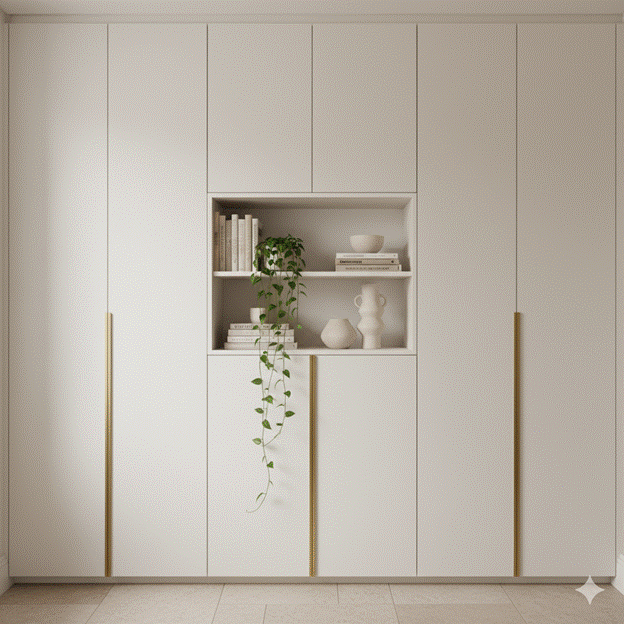
8. Invest in Smart Storage Solutions That Disappear Into the Design
Clutter is the enemy of small-space living. But visible, utilitarian storage is almost equally damaging to a well-designed apartment’s aesthetic. The goal is storage that functions beautifully — and disappears seamlessly into the design.
Built-in cabinetry painted the same colour as the walls is the gold standard. Floating shelves styled with books and objects rather than stacked with paperwork look intentional rather than functional. Decorative baskets and linen boxes on open shelves contain items attractively while adding texture and warmth.
In the kitchen, decant pantry staples into matching glass or ceramic canisters. In the bathroom, matching bottles and accessories create a spa-like simplicity. Consistency of materials and tones turns storage into styling.
✦ Styling Tip: Install floor-to-ceiling cabinet doors in your hallway or bedroom in a matte finish that matches your wall colour. The doors will blend into the architecture, making the storage invisible and the room feel dramatically cleaner and larger.
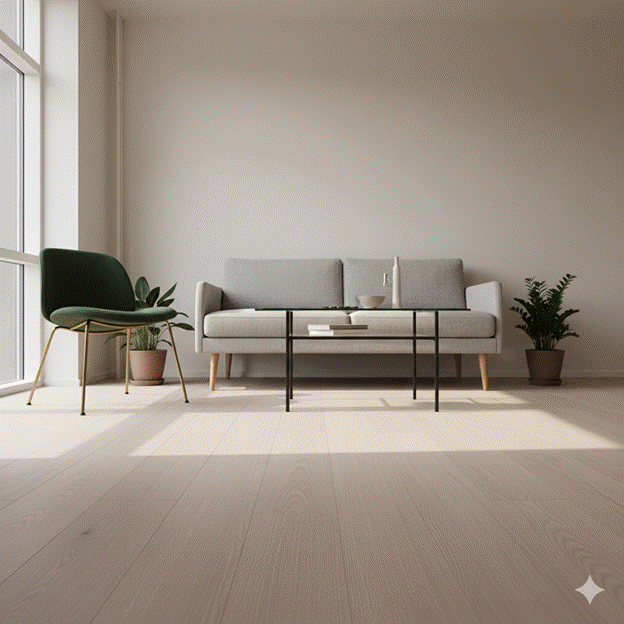
9. Choose Furniture with Exposed Legs for Visual Lightness
One of the most underappreciated principles of small-space design is visual weight. Furniture that sits directly on the floor creates a heavy, grounded feeling that makes a room feel smaller. Furniture elevated on slender legs, by contrast, allows light and sightlines to pass beneath — creating airiness and openness.
Choose a sofa with tapered wooden or metal legs rather than a floor-resting sectional. Opt for a dining table with slim hairpin or sabre legs. Select a bed frame that sits elevated on legs rather than a platform frame. Even a small visual lift makes a substantial difference to how spacious a room feels.
This principle extends to accent chairs, consoles, and sideboards. The more floor visible, the more open the space.
✦ Styling Tip: Pair furniture on exposed legs with a low-pile rug in the same tonal family as your floor. The continuity of colour from floor to furniture legs creates a seamless, uninterrupted visual plane that makes the room feel expansive.
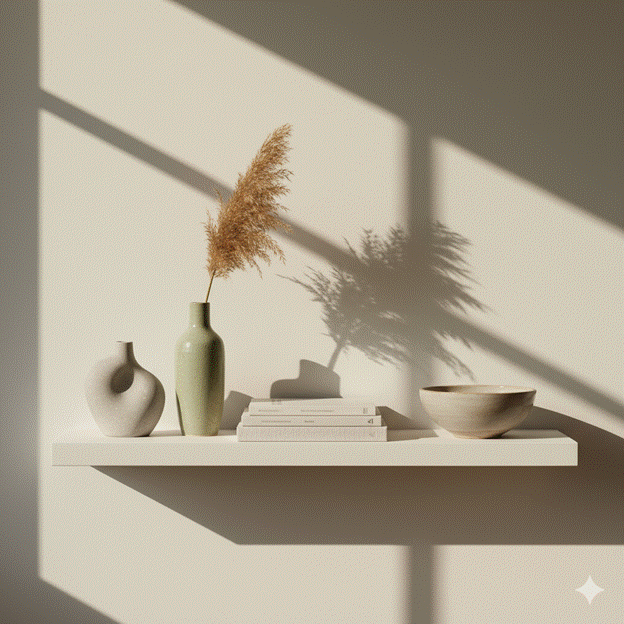
10. Go Minimalist with Decor — Edit Ruthlessly
In a small apartment, restraint is the highest form of sophistication. Minimalist decorating does not mean cold or bare — it means thoughtfully curated. Every object, artwork, and accessory should be chosen with intention.
Follow the principle of the considered collection: group three to five objects of varying heights and textures rather than scattered individual pieces. A cluster of sculptural objects on a shelf tells a visual story. A single bold artwork on a white wall commands attention. One beautiful plant in a handmade ceramic pot adds life without noise.
Edit continuously. Remove anything that does not contribute to the beauty or function of the space. What remains will feel purposeful — and your apartment will breathe.
✦ Styling Tip: Try the ‘one surface, one story’ rule: each horizontal surface — a coffee table, a shelf, a console — should tell a single, cohesive story. Limit it to three to five objects maximum, varying height, texture, and material for visual interest.
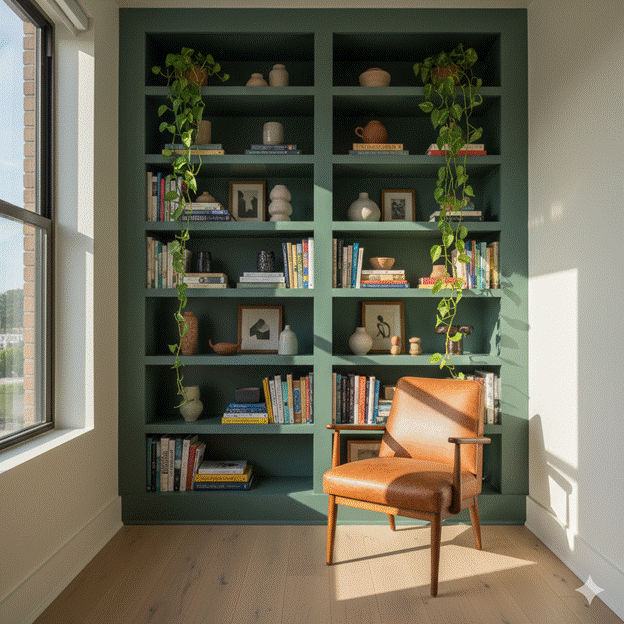
11. Use Built-In Shelving to Transform Dead Corners
Every apartment has corners and alcoves that go unused — awkward spaces that neither furniture nor decor quite fills. Built-in shelving transforms these dead zones into some of the most beautiful and functional moments in a small apartment.
An alcove beside a fireplace, flanking a window, or tucked under a staircase becomes a bespoke bookcase, a display wall, or a home office nook with the addition of custom-built or IKEA-hacked shelving. Paint the interior of the shelving in a contrasting tone — a deep forest green, a warm terracotta, or a dusty blush — for a luxurious, designer feel.
Built-in shelving also removes the need for freestanding furniture, freeing up precious floor space and making the room feel more expansive.
✦ Styling Tip: Line the back panel of your built-in shelves with a subtle textured wallpaper or a deep contrasting paint colour. This simple detail transforms shelving from functional to genuinely beautiful — a technique used consistently by high-end interior designers.
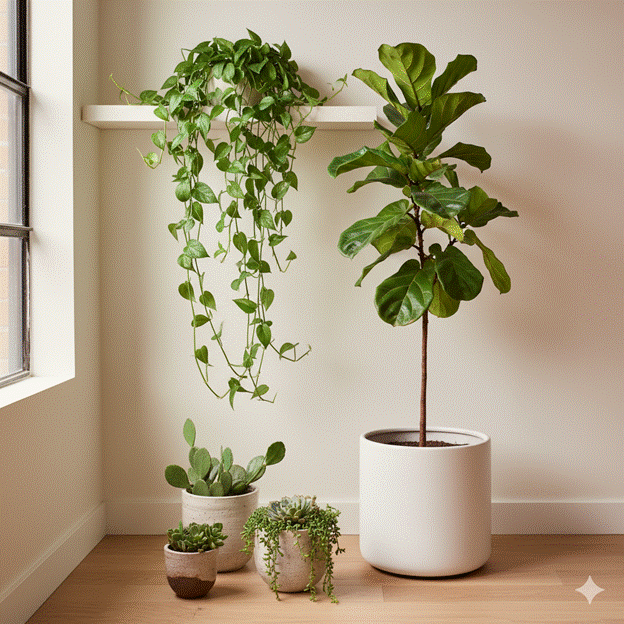
12. Bring in Plants to Add Life, Texture, and Dimension
Plants are among the most powerful tools available to any interior decorator — and in a small apartment, they earn their place more than almost anything else. A well-placed plant adds colour, texture, movement, and the irreplaceable quality of something living to a space.
In a small apartment, choose plants that grow vertically — a tall fiddle leaf fig, a striking snake plant, or a dramatic bird of paradise adds height and sculptural interest without consuming floor space. Hanging plants and trailing pothos cascading from floating shelves add dimension to walls and empty corners.
Cluster plants of varying heights and leaf textures to create a micro-garden moment. The layering of green tones, from deep emerald to pale lime, brings extraordinary depth to even the smallest of spaces.
✦ Styling Tip: Place your largest plant in the corner of your main living space, angled slightly toward the room. The organic shape softens hard architectural lines, and the green creates a calming focal point that makes the room feel alive and inviting.
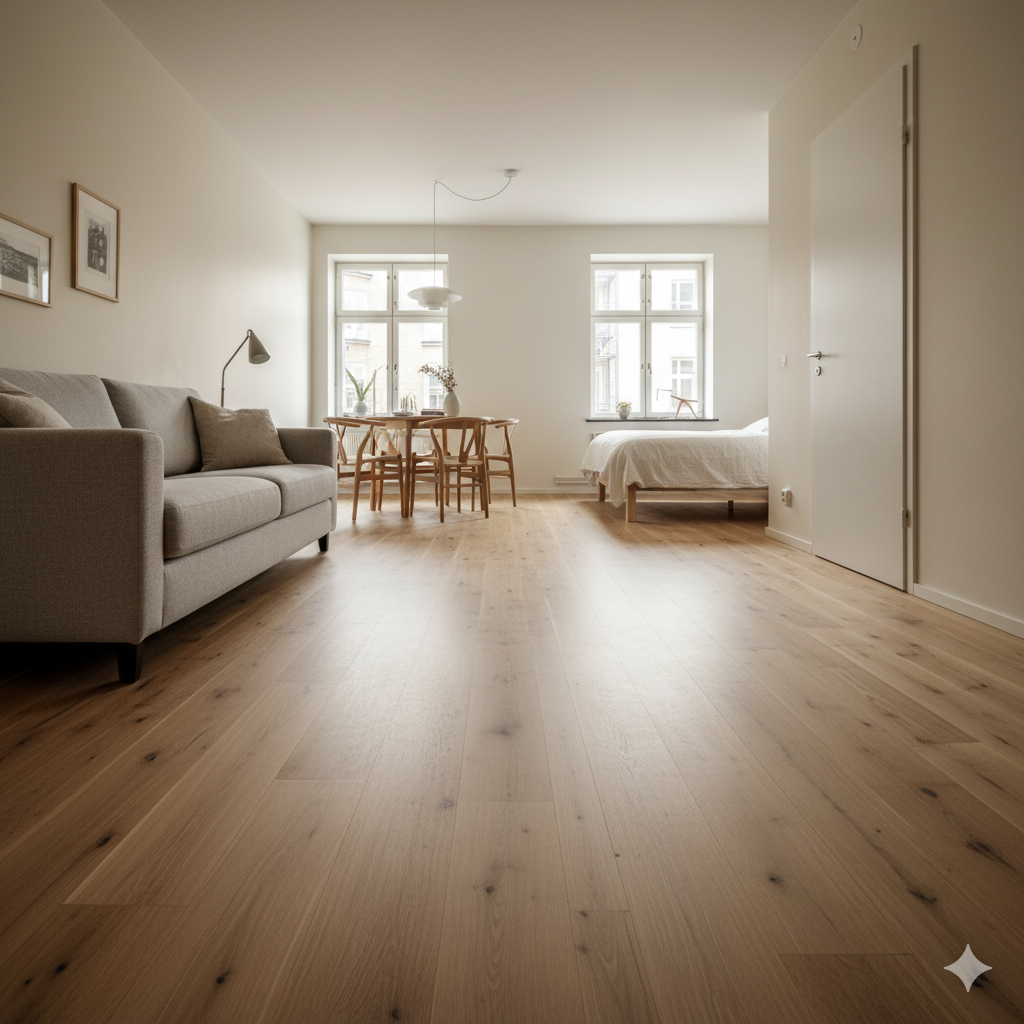
13. Use Consistent Flooring to Unify and Expand the Space
Fragmented flooring — different materials and tones in different rooms — visually breaks a small apartment into even smaller pieces. Consistent flooring throughout creates a seamless flow that tricks the eye into perceiving the space as one cohesive, larger whole.
If possible, use the same flooring material throughout: a pale, wide-plank oak hardwood, a large-format porcelain tile, or a light-toned concrete-effect floor works beautifully across open-plan living spaces and creates an uninterrupted visual plane.
Lay planks or tiles diagonally or in a herringbone pattern to add visual length and dynamism — a technique that interior designers frequently employ to make narrow rooms feel wider and more interesting.
✦ Styling Tip: Choose a floor colour that is close in tone to your walls for the most spatially expansive effect. A warm blonde oak floor beneath warm white walls creates an enveloping, seamless quality that makes even a 400-square-foot apartment feel genuinely generous.
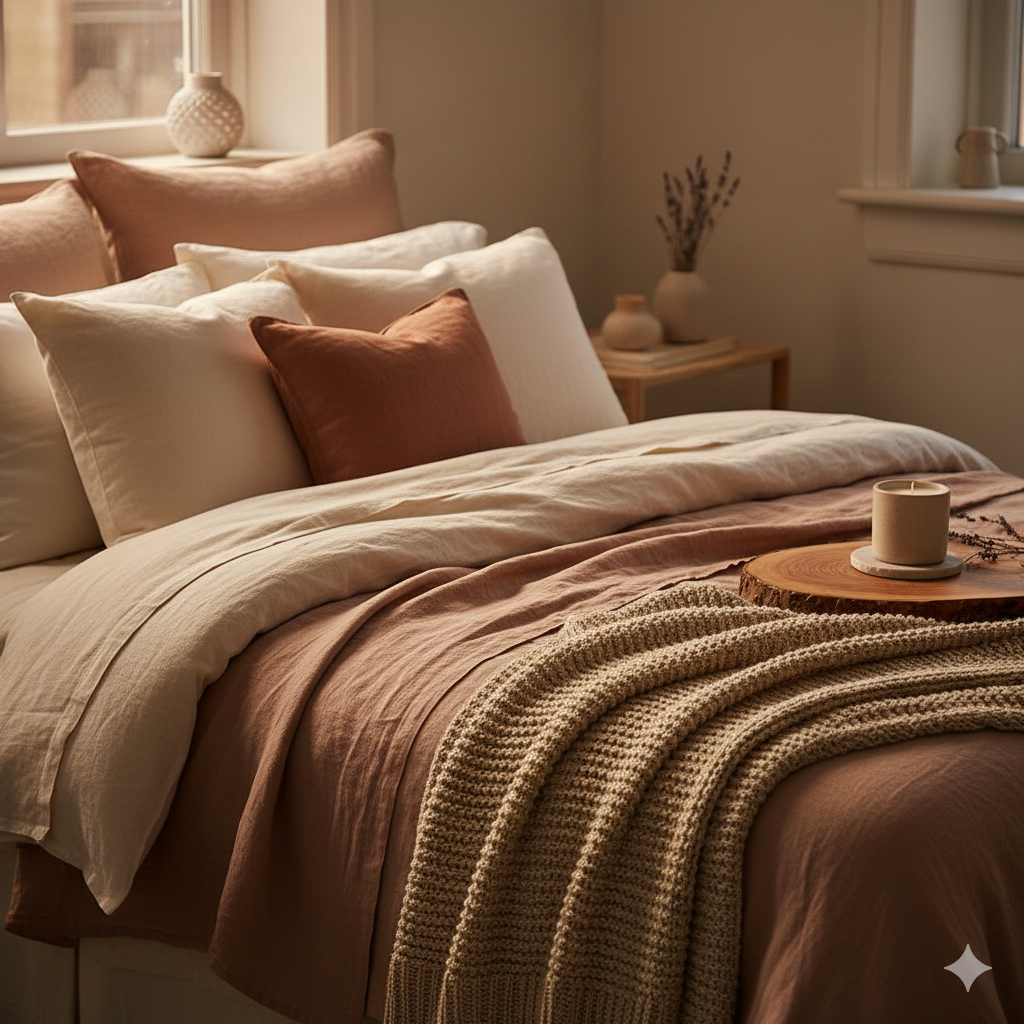
14. Add Texture Through Layers — Linens, Throws, and Natural Materials
A small apartment that relies purely on clean lines and neutral tones risks feeling clinical and cold. The antidote is texture. Layering different textures — soft linens, chunky knits, smooth ceramics, rough-hewn wood, woven rattan — creates warmth, depth, and sensory richness without adding a single piece of additional furniture.
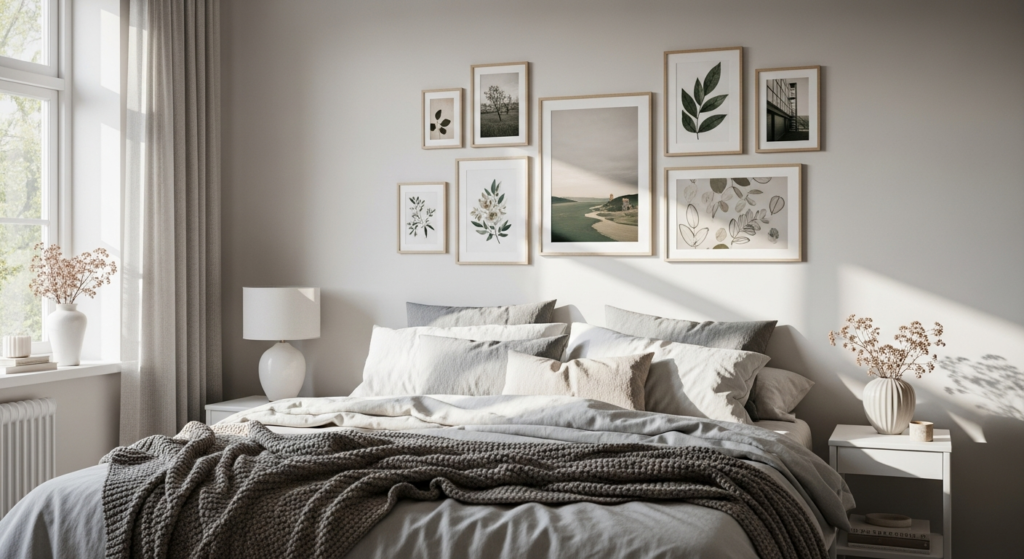
On a bed, layer a cotton duvet with a linen throw and two or three textured cushions in complementary tones. On a sofa, mix a velvet cushion with a waffle-knit throw and a woven pillow. On shelves and surfaces, contrast smooth ceramic vases with raw-edged wooden bowls and matte stone objects.
The interplay of textures catches the light in different ways, creating a constantly shifting, visually layered interior that feels rich and considered — the hallmark of a truly well-designed home.
✦ Styling Tip: Limit your texture palette to three to four materials per room — for example, linen, wood, ceramic, and rattan. More than this creates visual confusion; fewer creates monotony. The sweet spot is a layered but cohesive sensory experience.
Conclusion
A small apartment is not a problem to be solved — it is a design opportunity waiting to be realised.
The principles explored in this guide — multifunctional furniture, vertical storage, cohesive colour palettes, strategic lighting, and the power of restraint — are not merely clever tricks. They are the building blocks of genuinely beautiful, liveable design.
Begin with one or two ideas that resonate most strongly with your current space. Observe how they shift the energy of the room. Then layer in the next. Good design is cumulative — each thoughtful decision builds on the last, until the space feels entirely, unmistakably yours.
Your small apartment has the potential to become the most beautiful space you have ever lived in. All it takes is intention, patience, and a willingness to design with care.
Frequently Asked Questions (FAQs)
1. What colours make a small apartment look bigger?
Light, warm neutrals — soft whites, pale creams, warm greiges, and muted sage greens — are the most effective colours for making small apartments feel larger. A tonal approach, where walls, trim, and built-ins share a similar colour family, creates a seamless, expansive feel. Glossy paint finishes also reflect more light, further enhancing the sense of space.
2. What is the most important piece of furniture for a small apartment?
A quality sofa is typically the most important investment in a small apartment’s living space, as it anchors the entire room. Prioritise a compact, elevated design with slim arms and exposed legs for maximum visual lightness. A sofa bed or a sectional with storage adds function without additional furniture.
3. How do I make a studio apartment feel like separate rooms?
Zone definition is the key to making a studio feel like a multi-room home. Use rugs to anchor individual areas — one beneath the sofa, one under the bed, one at the dining table. Position furniture to face different directions to signal distinct zones. A room divider, bookshelf, or curtain panel can also create a physical — and psychological — separation between sleeping and living areas.
4. How can I add storage to a small apartment without it feeling cluttered?
The most effective storage in a small apartment is storage that disappears into the design. Built-in cabinetry painted the same tone as the walls, under-bed storage with clean drawer fronts, and decorative baskets on open shelves all provide generous storage without the visual noise of utility furniture. The mantra is: if it must be seen, make it beautiful.
5. Do plants work well in small apartments?
Absolutely — plants are among the best investments you can make in a small apartment’s atmosphere. Tall, architectural plants like fiddle leaf figs or snake plants add vertical interest without consuming floor space. Trailing plants on shelves and hanging planters bring life to walls and corners. Choose low-maintenance varieties if natural light is limited — pothos, ZZ plants, and peace lilies thrive in lower-light conditions.