Introduction
There is a particular quality of light in spring that transforms a dining table into something worth celebrating — a brightness that seems to fall from a new angle, illuminating textures and colours with a freshness that the heavy, amber light of winter could never manage. The spring table deserves to honour that light with a centerpiece that matches its energy.
A spring centerpiece is one of the simplest and most transformative things you can do for your home at the beginning of the season. It requires no renovation, no significant expenditure, and no professional skill — only a considered eye, a quality vessel, and an appreciation for the extraordinary beauty of seasonal botanical material.
These 10 spring centerpiece ideas for fresh table decor range from the effortlessly informal to the architecturally refined, from the abundantly floral to the quietly structural. Each one comes with practical styling guidance so you can bring the idea to your own table with confidence and creative freedom. Because a spring table without a beautiful centerpiece is simply a place to eat — and a spring table with one is an occasion.
1. A Loose Arrangement of Spring Wildflowers in a Ceramic Vessel
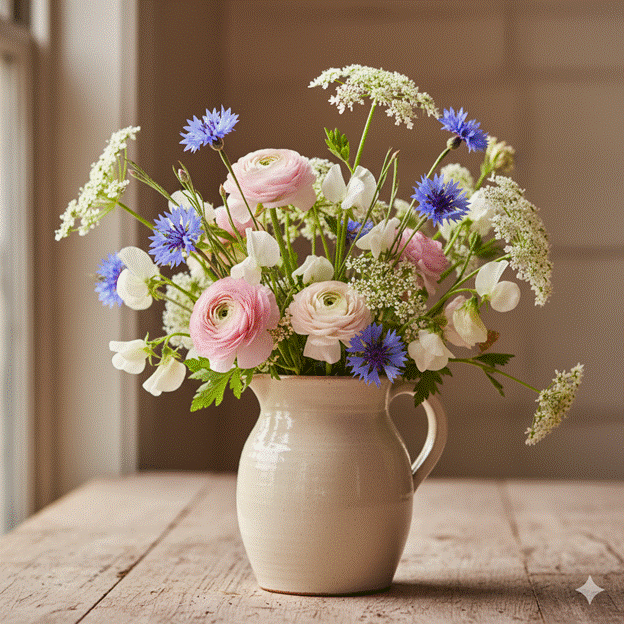
There is something irreplaceable about the informal beauty of a wildflower arrangement — the way stems cross at different angles, blooms face in unexpected directions, and the overall shape feels as though it was gathered from a meadow ten minutes before arriving on the table. A loose arrangement of spring wildflowers in a wide-mouthed ceramic vessel is the most naturally beautiful of all spring centerpiece ideas, and the least demanding to achieve.
Choose a vessel that enhances rather than competes — a handthrown ceramic jug in soft ivory, sage, or warm terracotta allows the flowers to be the undeniable subject. Mix cornflowers, ranunculus, sweet peas, and cow parsley for a composition of colour, texture, and scale that changes with every viewing angle. The key is restraint in the vessel and abundance in the blooms.
Styling Tip: Cut stems at a sharp diagonal under running water and strip any foliage that would sit below the waterline to extend vase life. Change the water every two days and add a small pinch of sugar and a drop of bleach to keep it fresh. A wildflower arrangement always looks most beautiful when it appears to have arranged itself.
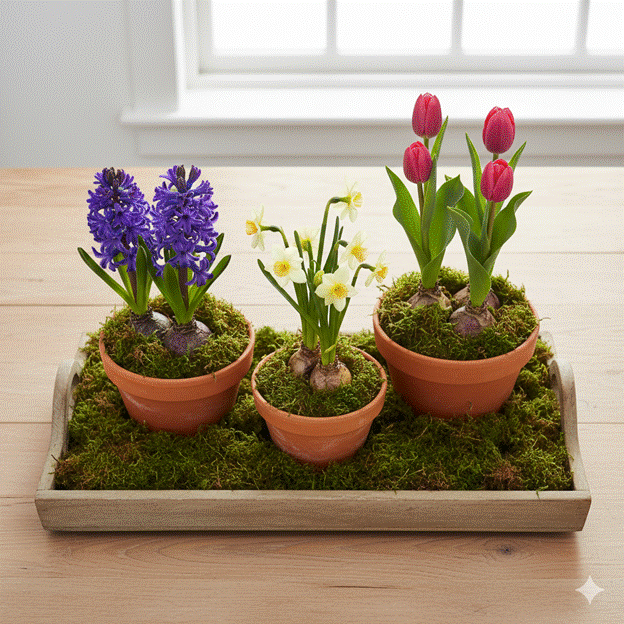
2. Potted Bulb Centerpiece with Tulips and Hyacinth
Nestle the pots together in a shallow wooden tray or a length of damp moss to unify them visually. The organic informality of soil-level planting, with the hyacinth perfume rising to greet every person at the table, creates a sensory dining experience that cut flowers alone cannot match. Tuck in a few strands of trailing ivy or a small cloche jar over the most advanced bloom for a composed, editorial finish.
Potted spring bulbs — tulips, hyacinths, muscari, and narcissus — are the most enduring and cost-effective of all spring centerpiece ideas because they last for weeks rather than days, filling the table not just with colour but with fragrance. A grouping of three or five terracotta pots at varying stages of growth creates a living, changing centerpiece that tells the story of spring unfolding in real time.
Styling Tip: Force hyacinth bulbs in glass bulb vases — the transparent vessel shows the white root system developing below the waterline, creating a second layer of botanical beauty beneath the bloom above. A cluster of three bulb vases in different heights beside a moss-filled tray of tulip pots creates a centerpiece of genuine design sophistication.
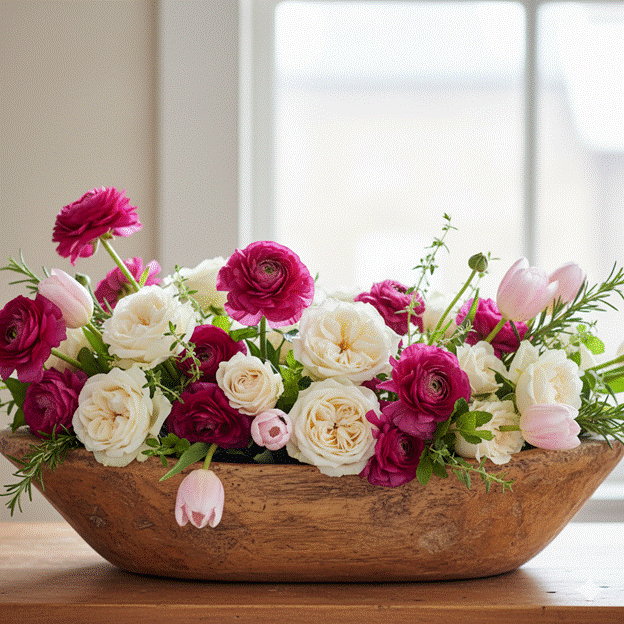
3. A Low Lush Arrangement in a Wooden Dough Bowl
The wooden dough bowl has become one of the most coveted vessels in contemporary home decor — and its wide, shallow form makes it one of the most naturally suited containers for a spring table centerpiece. Its low profile keeps sightlines clear across the table while its organic, hand-hewn character gives even the simplest floral arrangement an artisanal quality.
Fill the dough bowl with floral foam or a layer of damp moss and tuck in a low, abundant arrangement of spring blooms — ranunculus, garden roses, tulips, and small-leafed herbs. The wide rim of the bowl allows an arrangement that spreads laterally across the table rather than reaching upward, creating a sense of generous abundance that feels entirely in keeping with the spirit of the season.
Styling Tip: If using a wooden dough bowl as a planting vessel, line it with a layer of plastic before adding soil or moss to protect the wood from moisture damage. Alternatively, set a separate waterproof liner inside the bowl and use it as a decorative outer container rather than a direct planting vessel.
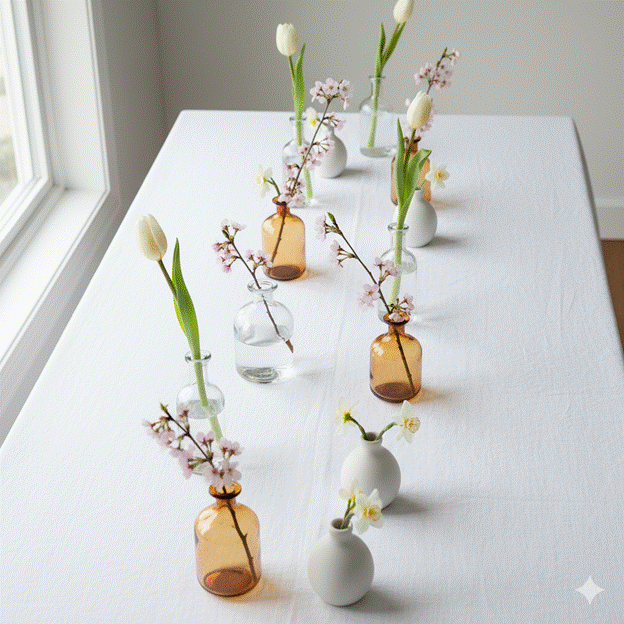
4. An Elegant Bud Vase Collection in Matching Tones
A collection of bud vases — small individual vessels each holding one or two stems — has emerged as one of the most refined and versatile spring centerpiece ideas for modern dining tables. Rather than one large arrangement, the bud vase collection creates a composed tableau that runs the length or breadth of the table in a way that invites conversation and allows every guest an intimate view of the blooms.
Choose vases in a tonal family — all in clear glass, all in soft white ceramic, or a mix of warm amber glass in different forms — and give each vessel a different spring stem: a single tulip, a spray of cherry blossom, a stem of narcissus, a sprig of rosemary in flower. The variety of blooms unified by the consistency of the vessel creates a composition that feels both considered and naturally spontaneous.
Styling Tip: Group the bud vases in clusters of three and leave deliberate negative space between clusters rather than distributing them evenly along the table. This creates visual breathing room that makes each cluster feel like a distinct arrangement rather than a single line of individual vases, giving the centerpiece a more designed, editorial quality.
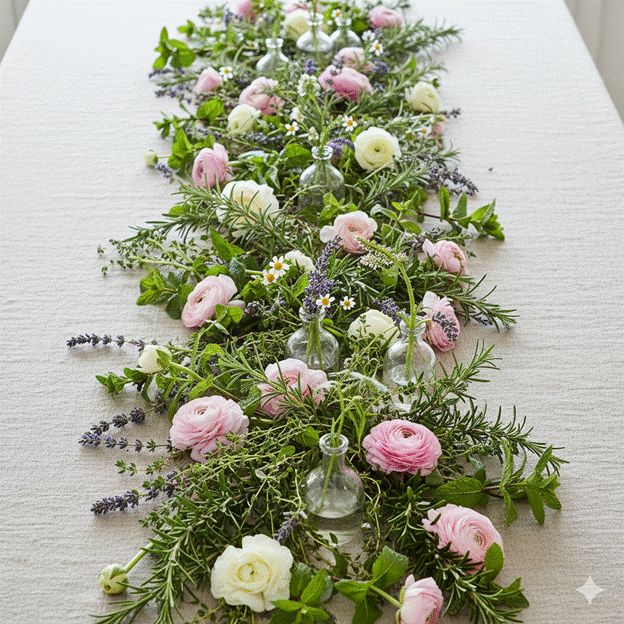
5. A Spring Herb and Flower Table Runner
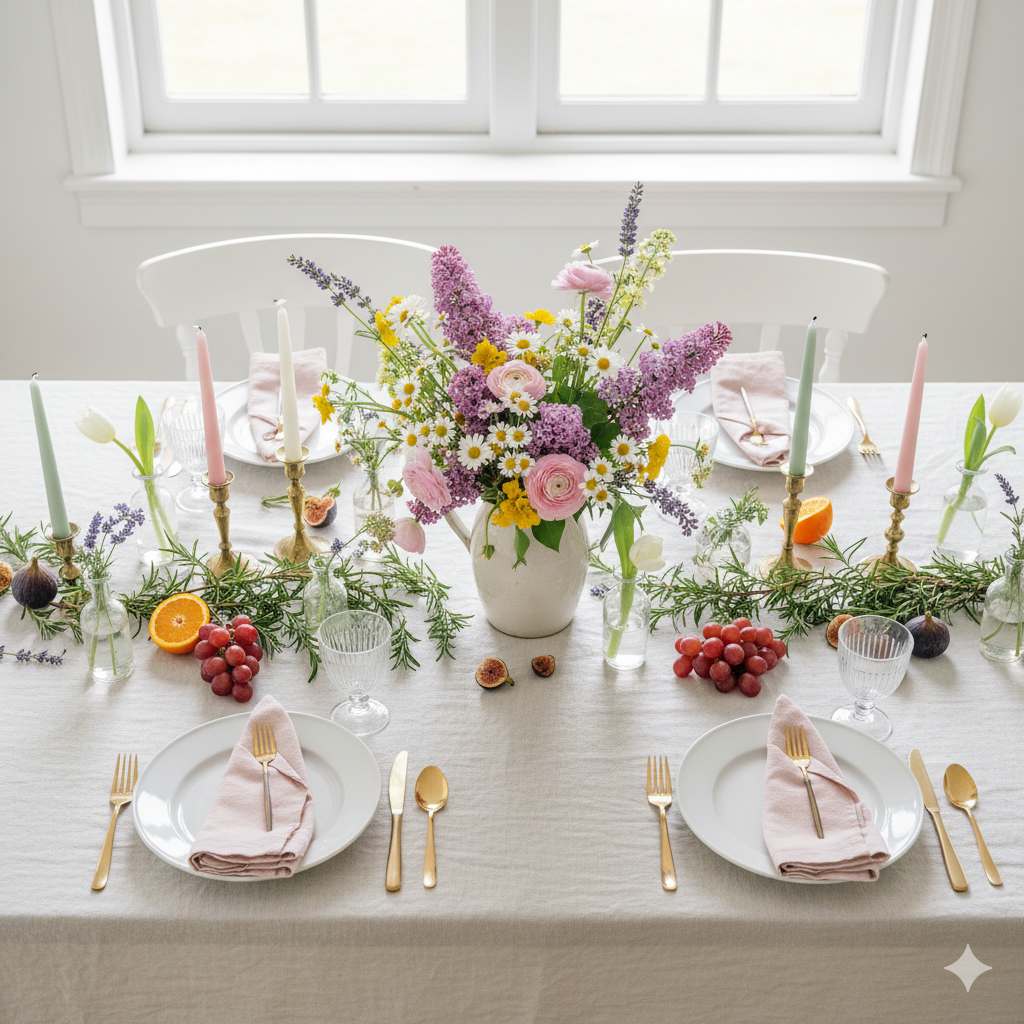
A table runner composed of fresh herbs and spring flowers is one of the most dramatic and sensory-rich spring centerpiece ideas available — and it requires no vase, no foam, and no significant floristry skill to achieve. Laid directly on the table surface or on a length of linen runner, an abundant composition of rosemary, lavender, thyme, mint, and spring blooms creates a living tableau that perfumes the air and transforms every meal into an occasion.
The herb and flower runner works beautifully for spring dining occasions — Easter lunch, a spring dinner party, or a birthday celebration — where the table itself becomes the centrepiece. The greens and textures of the herbs provide structure and longevity; the flowers add seasonal colour and fragrance. Individual bud vases placed at intervals along the runner anchor the loose stems and ensure the arrangement remains composed throughout the meal.
Styling Tip: Lay the runner on a length of white or natural linen cloth to protect the table surface and add a textile layer beneath the greenery. Mist the herbs lightly with water before the meal and again at intervals if the table is set several hours in advance — fresh herbs wilt quickly in warm rooms, and the misting preserves both their appearance and their fragrance.
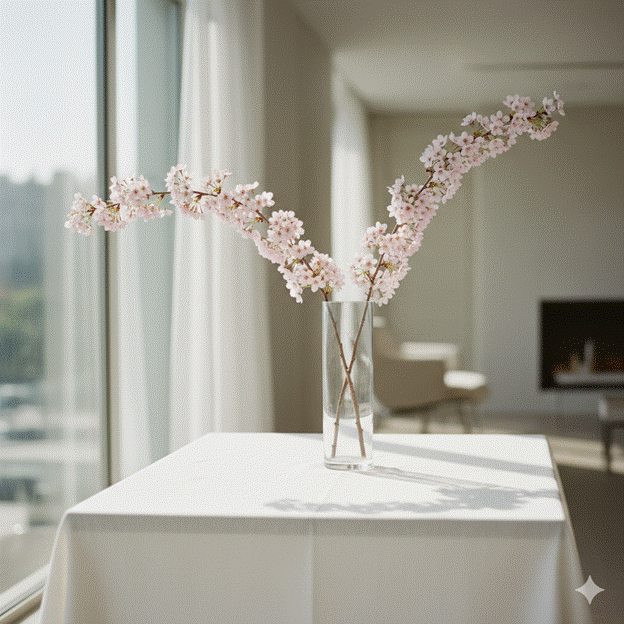
6. Cherry Blossom Branches in a Tall Clear Glass Vase
Cherry blossom branches are the most unambiguously spring of all botanical choices — their frothy pink and white blossoms, massed along bare branches, carry an almost overwhelming beauty that requires no additional accompaniment. A single long branch in a tall clear glass cylinder vase on a dining table is one of the most impactful spring centerpiece ideas achievable with the least effort and the greatest visual return.
The height of cherry blossom branches gives them a quality that low arrangements cannot — they arch gracefully over the table, their blossoms catching light from above and casting delicate petal shadows on the surface below. They bring the canopy of spring indoors and create, even in the most urban of dining rooms, the sensation of sitting beneath a flowering tree.
Styling Tip: Hammer or score the base of cherry blossom branches before placing in water — the woody stem requires this preparation to draw water effectively and extend the life of the blooms. Change the water every two days and keep away from direct heat sources. Forced branches purchased from a florist earlier in the season can be held in cool water to slow the blooming process until the day they are needed.
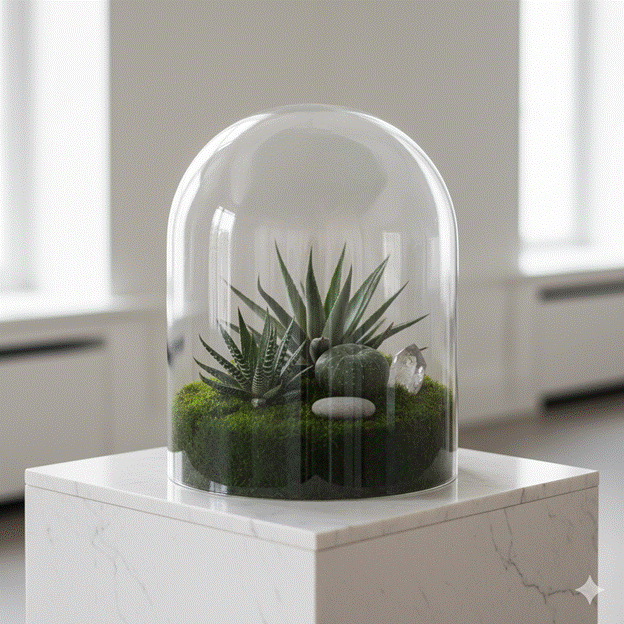
7. A Moss and Succulent Terrarium Centerpiece
For a spring centerpiece that outlasts the season and requires minimal care, a moss and succulent terrarium is one of the most considered and contemporary choices. Built in a glass cloche, an open geometric terrarium, or a wide glass bowl, the combination of living moss and structural succulents creates a miniature landscape of extraordinary texture and quiet beauty.
The appeal of the terrarium centerpiece is its longevity and versatility — it does not need replacing each week, it tolerates indoor conditions with minimal attention, and it reads as a designed decorative object as much as a botanical arrangement. Set on a marble plinth, a slice of live-edge wood, or directly on the table surface, it brings the textures of a spring garden to the table in a compact, self-contained form.
Styling Tip: Introduce a single unexpected element into the terrarium — a small piece of quartz crystal, a tiny ceramic figure, a smooth river pebble — to give the miniature landscape a personality and a focal point. Mist the moss lightly every three to four days and place in bright indirect light to keep both the moss and the succulents in optimal condition.
8. A Pastel Candle and Flower Composition
Candlelight at a spring dining table brings a warmth and intimacy that even the most beautiful floral arrangement alone cannot provide — and combining candles with fresh spring flowers creates a centerpiece of layered, multi-sensory beauty. The interplay of living blooms and warm flame light is one of the most timeless and universally beautiful tablescape ideas in the entire vocabulary of home decor.
For a spring interpretation, choose tapered candles in the soft pastel tones of the season — pale sage, dusty blush, soft sky blue, or warm ivory — in slim brass candlesticks of varying heights. Cluster them at the centre of the table with low spring flowers tucked between and around the bases: forget-me-nots, hellebores, small garden roses, and trailing green stems. The resulting composition is both illuminating and alive.
Styling Tip: Use odd numbers of candlesticks — three or five — rather than pairs, and vary the heights deliberately to create a dynamic silhouette. Position the candles at a height where the flame illuminates the flowers below without the heat accelerating their wilting. A low arrangement of blooms beside rather than directly beneath candle flames will always look better and last longer.
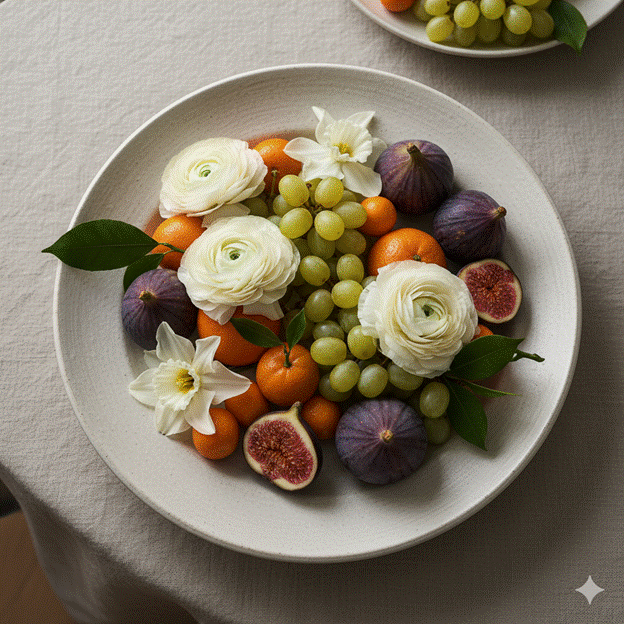
9. A Spring Fruit and Flower Composition
The combination of fruit and flowers on a table has a long and distinguished history in still-life painting and in the traditions of the finest European tablescapes — and for spring, it is an idea of genuine, understated elegance. Ripe figs, small citrus fruits, green apples, or a cluster of pale grapes arranged among spring blooms creates a centerpiece of extraordinary visual richness.
The fruit introduces colours, textures, and organic forms that cut flowers alone cannot provide — the deep purple of a fig against pale ranunculus, the vivid yellow of a lemon beside white narcissus, the soft blush of a nectarine among dusty rose tulips. This is a centerpiece that belongs as much to the culinary as to the decorative arts, and that enriches every dining experience.
Styling Tip: Choose fruit that is at its visual peak but not yet overripe for use as a table decoration — the bloom on a fresh fig, the deep colour of ripe grapes, and the smooth skin of an unblemished apple all contribute to the overall beauty of the arrangement. Refresh the fruit element every two to three days as the composition evolves, eating what is replaced.
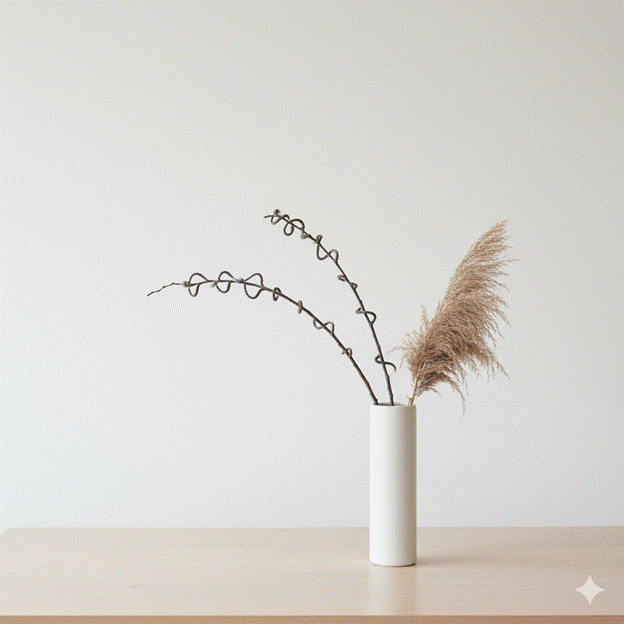
10. An Architectural Spring Branch and Feather Arrangement
For those who prefer their spring centerpiece ideas to lean toward the structural rather than the abundant, an architectural arrangement of branches and feathers occupies a distinct and sophisticated aesthetic territory. Spare, considered, and deeply Japanese in its inspiration, it creates a composition in which each element has space to be seen clearly and where the negative space between elements is as important as the elements themselves.
Curly willow, contorted hazel, or flowering quince branches placed in a tall cylindrical vase with a single elegant feather or a stem of dried pampas grass create a centerpiece of quiet drama and considered restraint. In a spring context, the bare or lightly leafing branches capture the precise transitional quality of the season — not yet fully in leaf, carrying the promise of what is coming rather than the fullness of what has arrived.
Styling Tip: Limit the arrangement to three to five elements maximum — a branch, a feather, a single flower stem, and one textural accent. The power of this style of centerpiece comes from its disciplined simplicity. More elements dilute the architectural impact; fewer allow each one to read with the clarity and presence it deserves.
Conclusion
A spring centerpiece does something that few other home decor decisions can achieve as quickly or as completely: it changes the atmosphere of a room. The presence of fresh flowers, living plants, or seasonal botanical material on a dining table shifts the emotional temperature of every meal shared around it — from ordinary to celebratory, from functional to beautiful.
These 10 spring centerpiece ideas offer a full range of approaches to that transformation — choose the one that resonates most deeply with your home, your table, and the spring you want to bring inside. Invest in a beautiful vessel, source your seasonal material with care, and give yourself permission to make the table the most deliberately beautiful surface in your home. Spring is brief — and the table is where it deserves to be most fully celebrated.
FAQs
Q1: What are the most popular spring centerpiece ideas for dining tables?
The most popular spring centerpiece ideas for dining tables combine seasonal flowers, natural vessels, and botanical textures. Loose wildflower arrangements in ceramic jugs, potted tulip and hyacinth groupings, bud vase collections, and cherry blossom branch arrangements are all perennially popular because they bring the freshness and colour of the season directly to the table in an accessible and beautiful way.
Q2: How do I make a spring centerpiece last longer?
To extend the life of a spring centerpiece, cut fresh flower stems at a sharp diagonal before placing in clean water, change the water every two days, keep the arrangement away from direct sunlight and heat sources, and remove any stems or blooms that are wilting before they affect the others. For potted bulb centerpieces, water consistently and provide as much natural light as possible between meals. Moss and succulent terrariums are the longest-lasting spring centerpiece option, requiring only occasional misting.
Q3: What colours work best for spring centerpieces?
The most beautiful spring centerpiece colour palettes are built around the natural tones of the season. Soft pinks, pale lavenders, cream and ivory whites, sage green, and dusty yellow create a palette of gentle, luminous freshness. For a more contemporary approach, a monochromatic scheme of all-white or all-green blooms in a single vessel reads as architectural and editorial. Deep jewel tones — plum ranunculus, burgundy tulips — can be introduced as accent colours to add depth and sophistication to a paler primary palette.
Q4: What vessels work best for spring table centerpieces?
The best vessels for spring table centerpieces complement the organic quality of the blooms without competing with them for attention. Wide-mouthed ceramic jugs and pitchers in soft neutral tones, clear glass cylinders that show stem detail, handthrown stoneware bowls, wooden dough bowls, and collections of small bud vases all work beautifully. Avoid very dark or heavily patterned vessels that absorb light and distract from the spring colour palette of the arrangement above.
Q5: How tall should a spring table centerpiece be?
The golden rule for table centerpiece height is that the arrangement should either remain below the sightline of seated guests — typically under thirty centimetres — or rise confidently above it to a height that allows conversation beneath it freely. Mid-height arrangements at eye level when seated are the most problematic, as they create a visual barrier across the table without the drama of true height. Cherry blossom branches, tall candelabras, and architectural branch arrangements can exceed sixty centimetres gracefully when the arrangement allows full sightlines beneath the bloom level.