Introduction
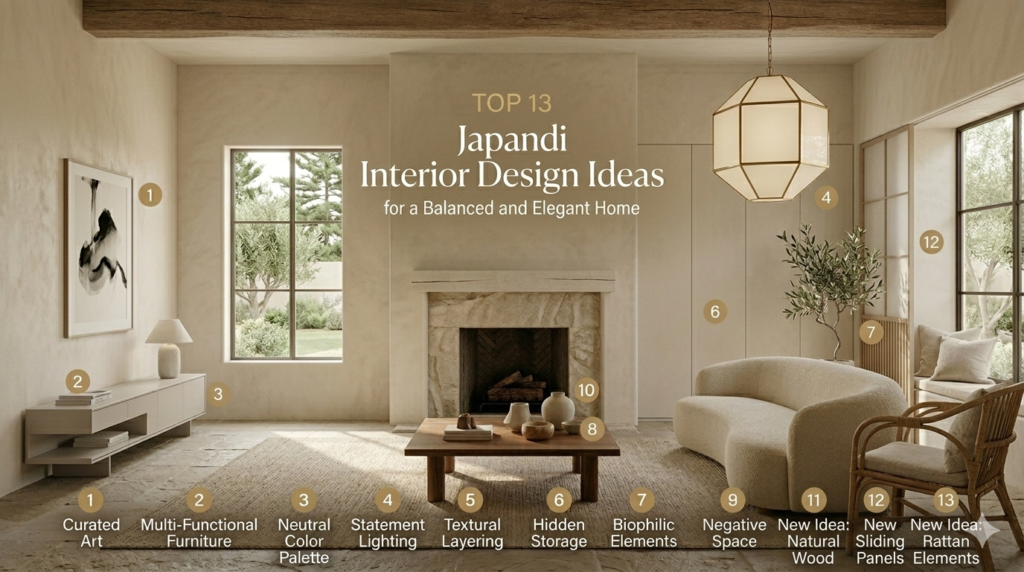
Japandi interior design has become one of the most admired home decor trends in recent years—and for good reason. By blending the quiet elegance of Japanese minimalism with the cozy functionality of Scandinavian design, Japandi interiors create spaces that feel calm, refined, and deeply welcoming.
The beauty of Japandi style lies in its balance. Natural materials meet clean lines, neutral tones soften modern layouts, and every object serves a thoughtful purpose. The result is a living environment that feels peaceful yet stylish.
If you’re looking to transform your home into a serene sanctuary, these Japandi interior design ideas will help you achieve a harmonious and elegant aesthetic that remains timeless for years to come.
1. Soft Neutral Color Palettes
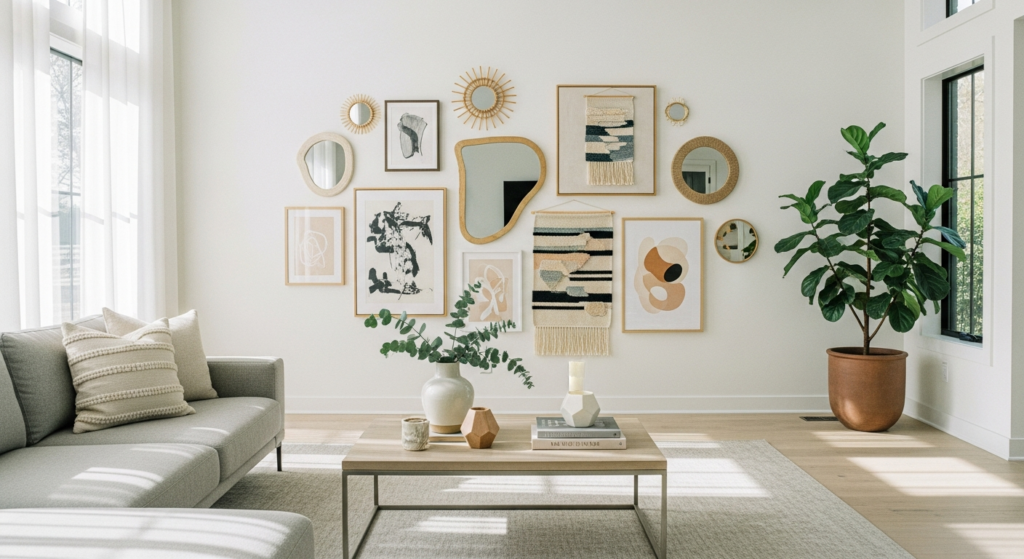
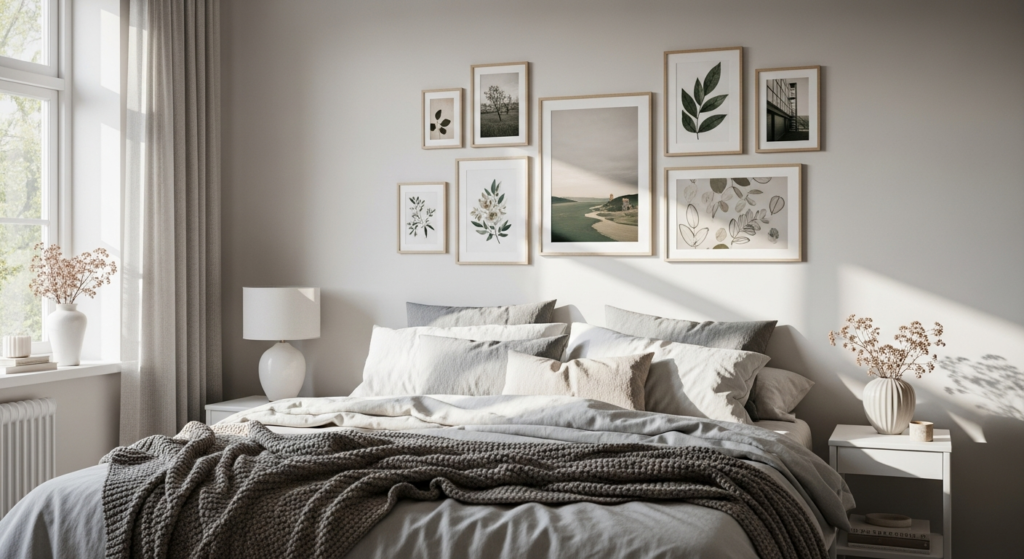
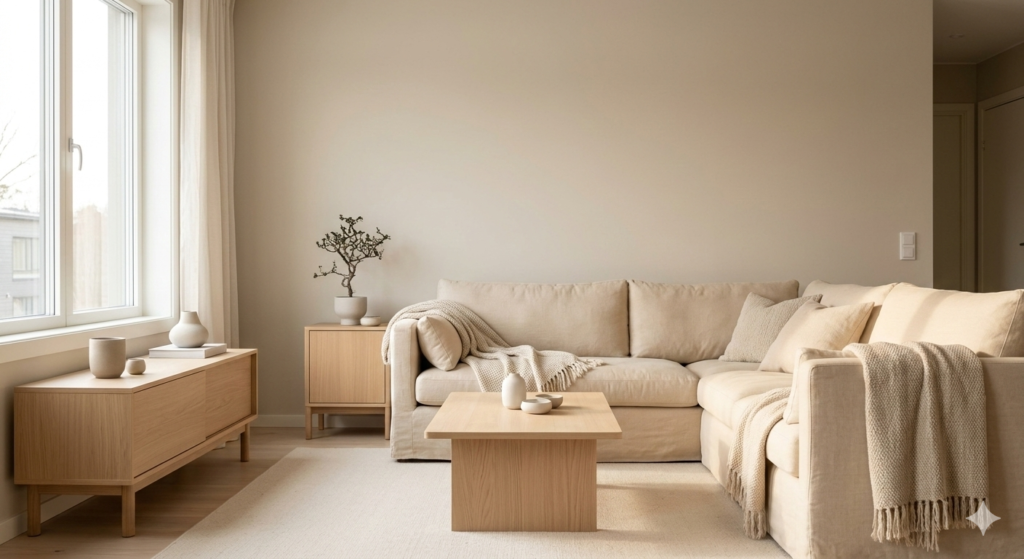
Japandi interiors rely heavily on calming neutral colors such as warm whites, sandy beiges, soft grays, and muted earth tones. These shades create a serene foundation while allowing textures and natural materials to shine.
Neutral palettes also enhance natural light, making rooms feel open and peaceful.
Styling Tip:
Combine warm beige walls with light wood furniture and soft linen textiles to create depth without overwhelming the space.
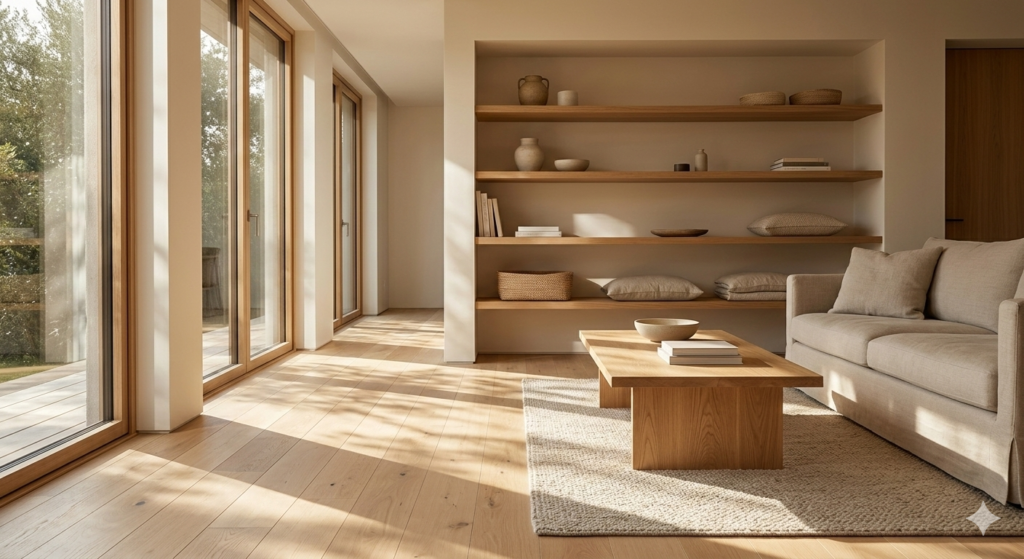
2. Natural Wood as a Central Design Element
Wood plays a vital role in Japandi interiors. Light oak, ash, walnut, and bamboo introduce warmth while maintaining a minimalist aesthetic.
Wooden furniture pieces such as low tables, simple shelving, and clean-lined cabinets create a grounded, organic feel.
Styling Tip:
Mix light and medium wood tones carefully to add richness while keeping the palette calm and cohesive.
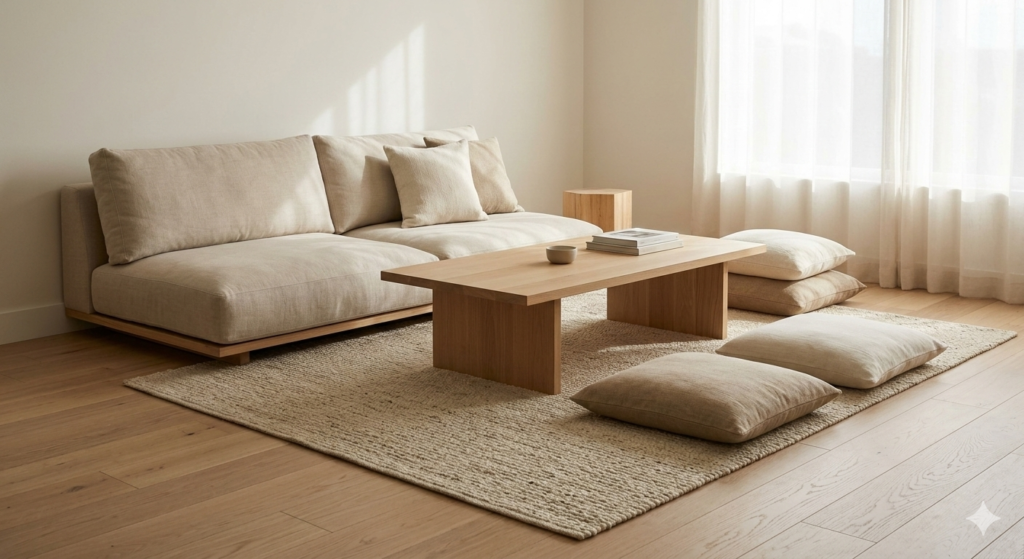
3. Low-Profile Furniture for a Grounded Look
Inspired by Japanese interiors, Japandi spaces often feature low-profile furniture that keeps the room feeling open and balanced.
Low sofas, platform seating, and compact coffee tables help maintain clean visual lines.
Styling Tip:
Place a low sofa near a textured rug to visually anchor the seating area while keeping the room airy.
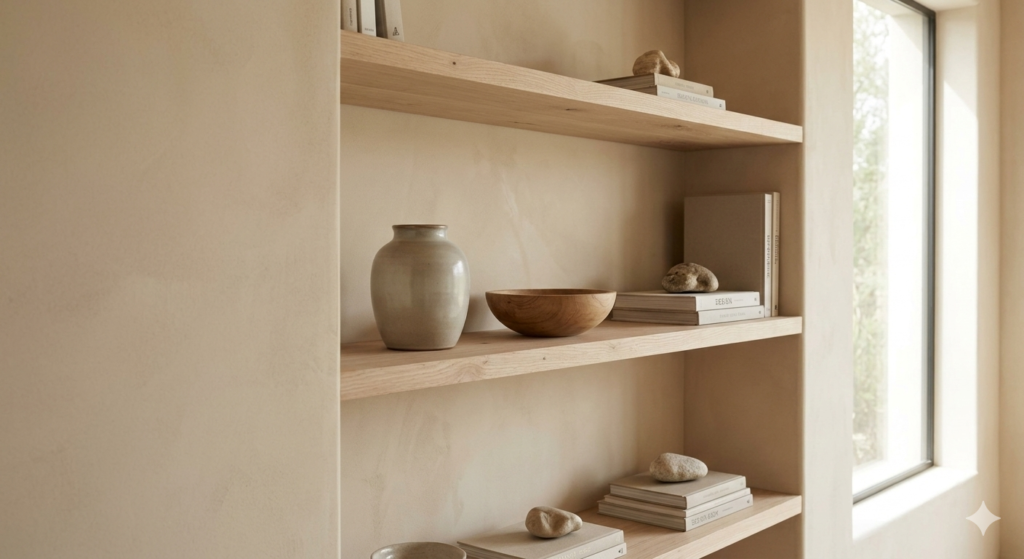
4. Minimalist Decor with Purpose
Japandi design follows the principle of intentional simplicity. Instead of filling shelves with decor, choose a few carefully curated pieces that bring beauty and meaning.
Ceramic vases, handcrafted bowls, and sculptural objects work beautifully in this style.
Styling Tip:
Group two or three decorative items together rather than scattering small pieces across surfaces.
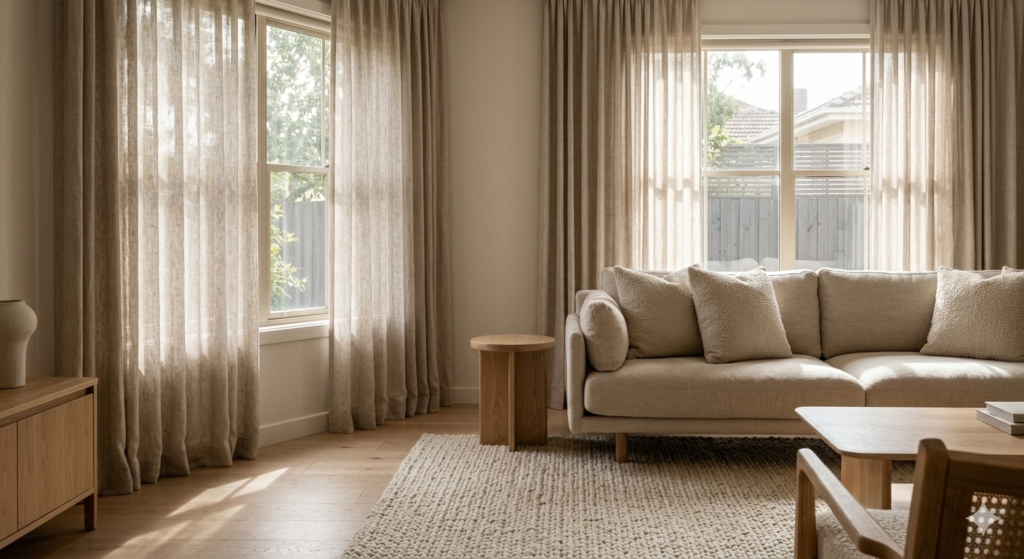
5. Textured Fabrics for Soft Warmth
To prevent minimalist interiors from feeling cold, Japandi spaces incorporate soft, tactile textiles.
Linen curtains, cotton throws, wool rugs, and boucle cushions add comfort and subtle texture.
Styling Tip:
Stick to neutral fabrics but vary the texture to create visual interest without introducing busy patterns.
6. Clean Lines and Simple Geometry
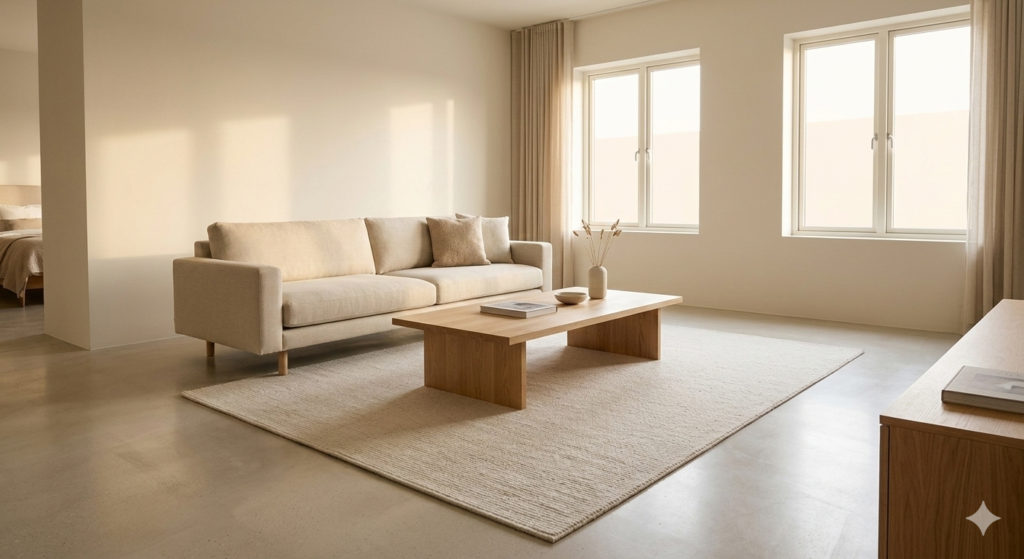
Japandi interiors emphasize clarity through simple shapes and clean lines. Furniture designs often feature straight edges, gentle curves, and balanced proportions.
This simplicity contributes to a calming and uncluttered environment.
Styling Tip:
Choose furniture with slim legs and smooth silhouettes to maintain visual lightness.
7. Indoor Plants for Organic Balance
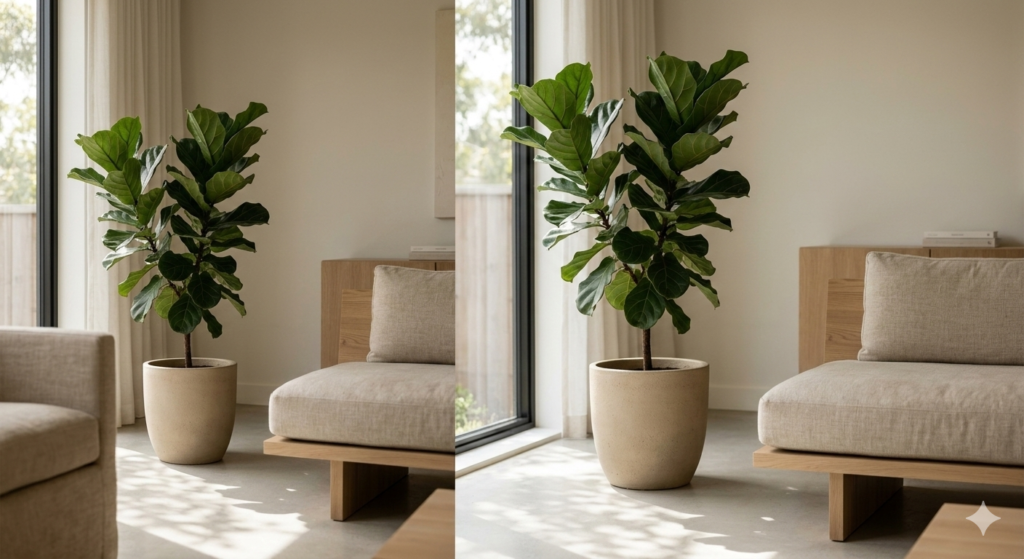
Plants play a subtle but important role in Japandi homes. A few carefully placed plants introduce life and organic movement without overwhelming the minimalist aesthetic.
Greenery also enhances the connection between indoor spaces and nature.
Styling Tip:
Select sculptural plants such as bonsai trees, olive plants, or snake plants in simple ceramic pots.
8. Warm, Soft Lighting
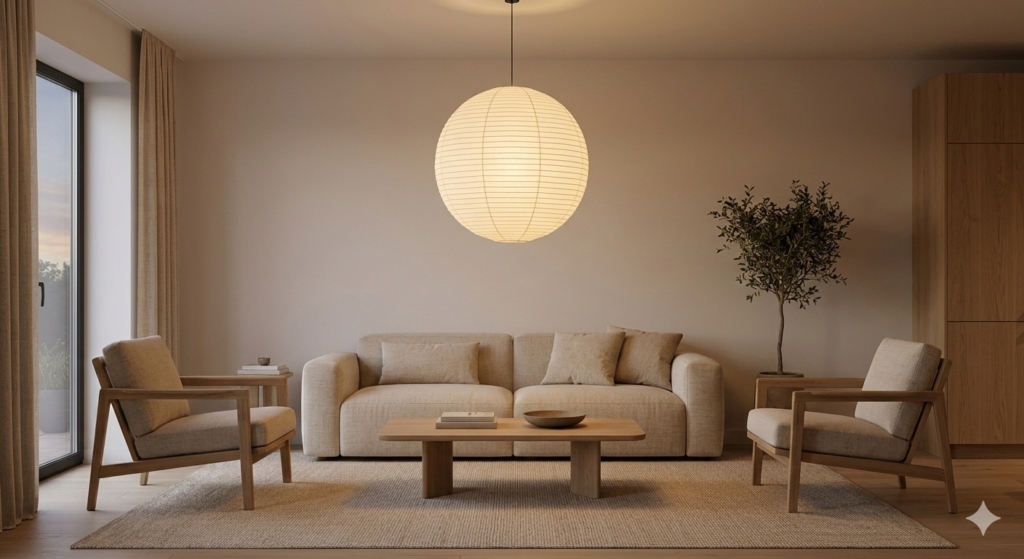
Lighting in Japandi interiors is designed to feel gentle and calming. Warm-toned bulbs, paper lanterns, and soft pendant lights create a tranquil glow.
Layered lighting enhances the room’s atmosphere, especially during evening hours.
Styling Tip:
Use warm LED lighting and soft diffused lampshades to maintain a relaxed and inviting ambiance.
9. Handcrafted and Artisan Decor
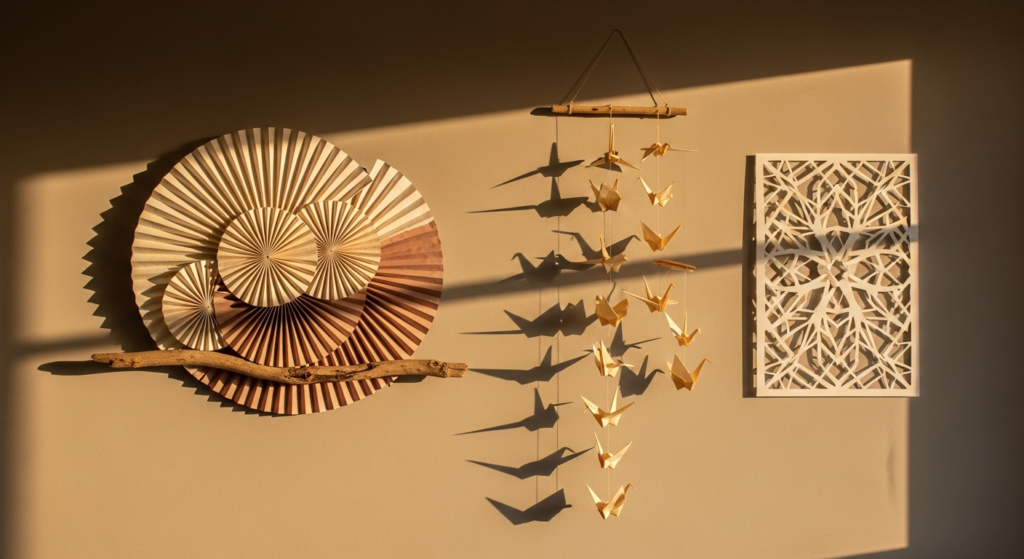
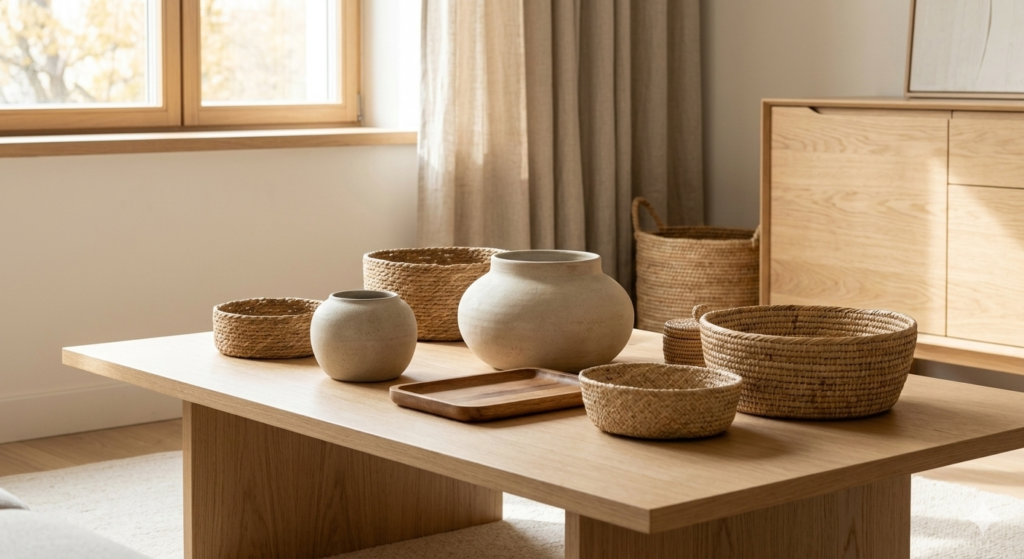
Japandi design celebrates craftsmanship and natural imperfections. Handmade ceramics, woven baskets, and artisan pottery add character while preserving simplicity.
These pieces introduce a sense of authenticity and story into the home.
Styling Tip:
Place handcrafted decor on open shelving or coffee tables where their textures can stand out.
10. Balanced Negative Space
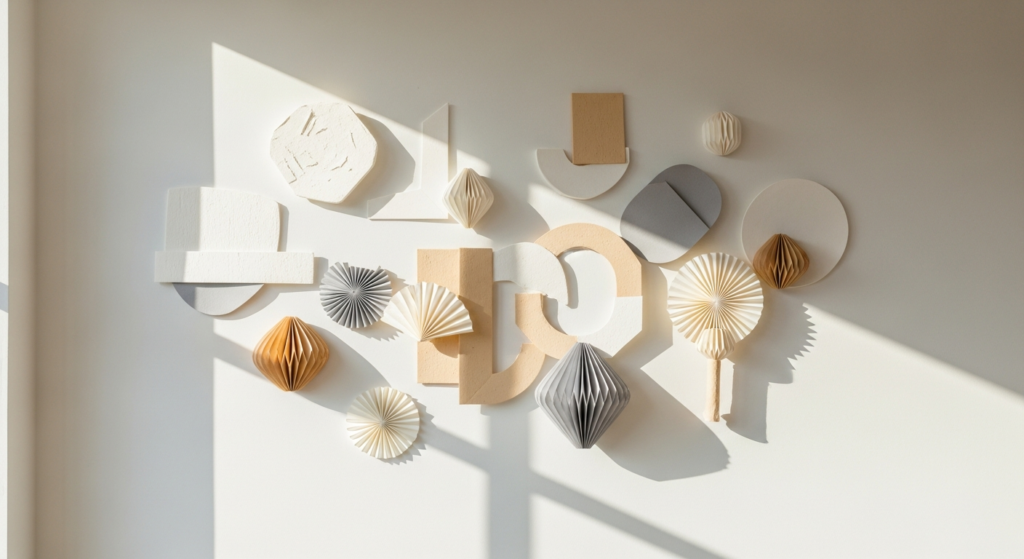
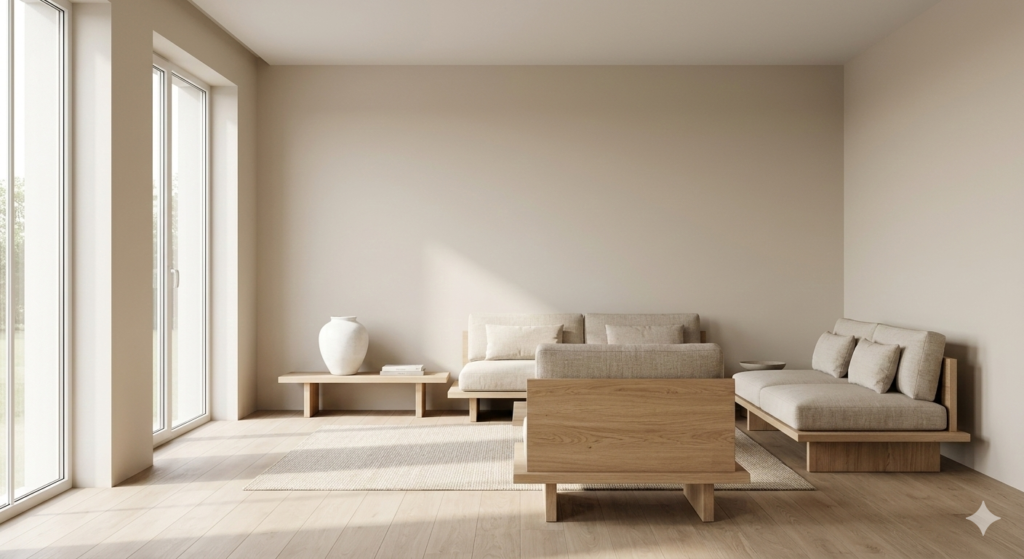
One of the most important principles of Japandi design is allowing space to breathe. Empty areas within a room create calm and visual clarity.
Negative space highlights the beauty of carefully selected furniture and decor.
Styling Tip:
Avoid filling every wall or corner. Let certain areas remain intentionally minimal.
11. Functional Storage Solutions
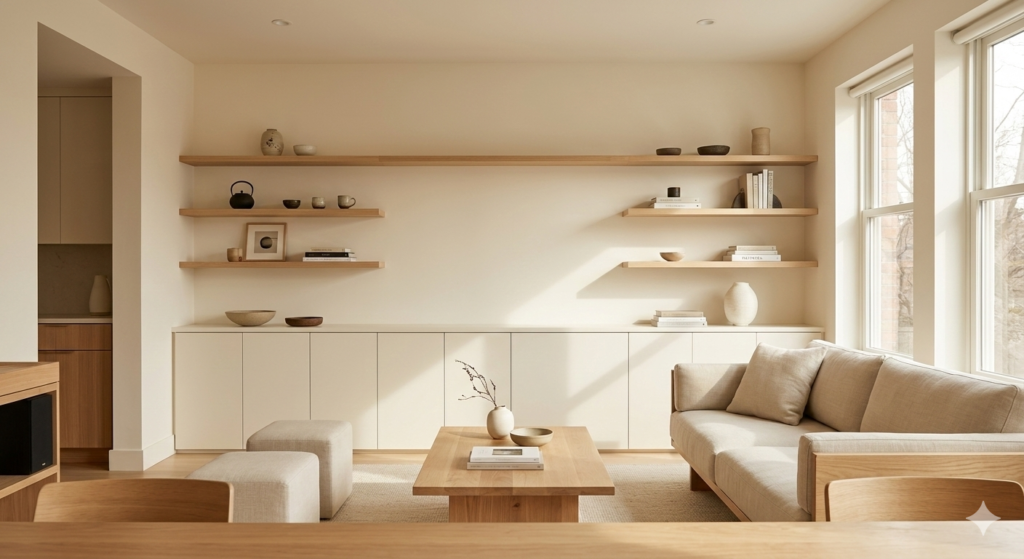
A clutter-free environment is essential for Japandi interiors. Smart storage solutions help maintain a calm and organized look.
Built-in cabinets, concealed drawers, and minimalist shelving keep daily items neatly tucked away.
Styling Tip:
Choose furniture pieces that combine design with storage, such as benches with hidden compartments.
12. Natural Stone and Ceramic Accents
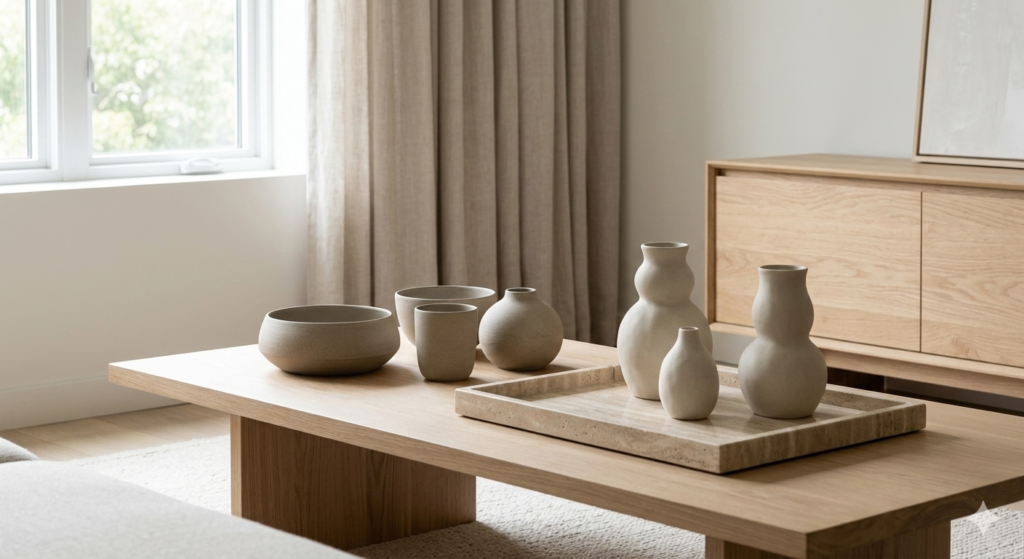
Stone and ceramic surfaces introduce subtle elegance to Japandi interiors. Materials such as marble, travertine, and handcrafted pottery add organic depth.
These materials work beautifully when paired with wood and neutral textiles.
Styling Tip:
Use a stone tray or ceramic centerpiece on a coffee table for a simple yet refined accent.
13. Balanced Layouts and Calm Symmetry
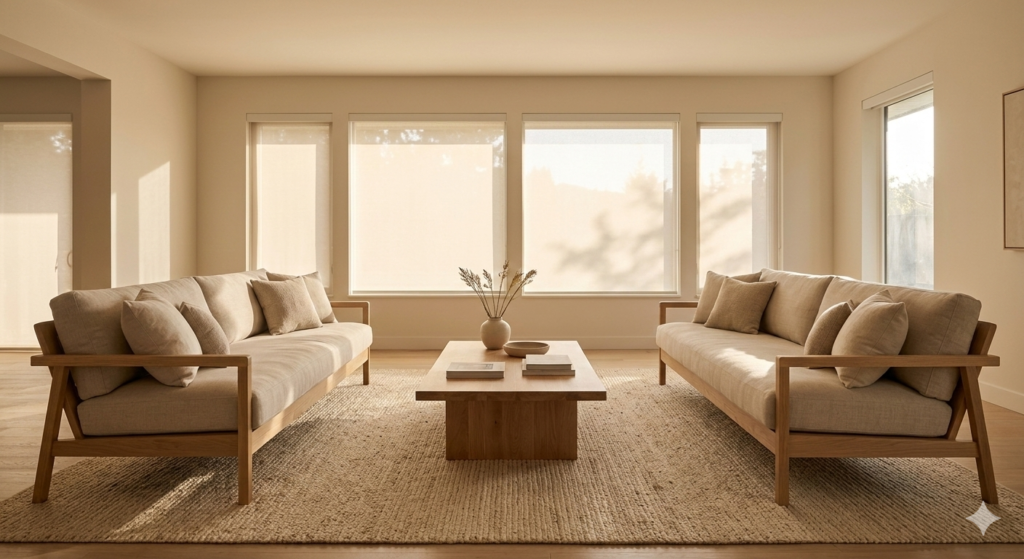
Japandi spaces often feature balanced arrangements that create visual harmony. Symmetry helps maintain a sense of order and tranquility within the room.
Furniture placement should feel natural, spacious, and intentional.
Styling Tip:
Center the main seating area around a simple coffee table and balance it with matching side chairs or lamps.
Conclusion
Japandi interior design offers a perfect blend of minimalism and warmth, combining the serenity of Japanese aesthetics with the comfort of Scandinavian style. The result is a home that feels calm, elegant, and deeply inviting.
By focusing on natural materials, neutral palettes, thoughtful furniture choices, and uncluttered layouts, you can create a space that promotes balance and everyday tranquility.
These Japandi interior design ideas provide timeless inspiration—helping you design a home that feels peaceful, stylish, and beautifully intentional.
SEO FAQs
What is Japandi interior design?
Japandi is a design style that combines Japanese minimalism with Scandinavian functionality to create calm, elegant, and nature-inspired interiors.
What colors are used in Japandi interiors?
Common colors include warm white, beige, taupe, soft gray, earthy browns, and muted green tones.
Is Japandi design suitable for small homes?
Yes. Japandi design works exceptionally well in small spaces because its minimalist layouts and neutral colors create an open, uncluttered feel.
What materials define Japandi interiors?
Natural materials such as wood, linen, stone, bamboo, ceramic, and cotton are key elements in Japandi design.
How is Japandi different from minimalism?
While minimalism focuses on simplicity, Japandi adds warmth through natural textures, handcrafted decor, and cozy Scandinavian influences.