Introduction
A beautifully designed minimalist living room is more than just a trend—it’s a lifestyle centered on calm, clarity, and intentional design. When thoughtfully arranged, minimalist interiors transform ordinary living spaces into peaceful retreats where every object has purpose and visual harmony.
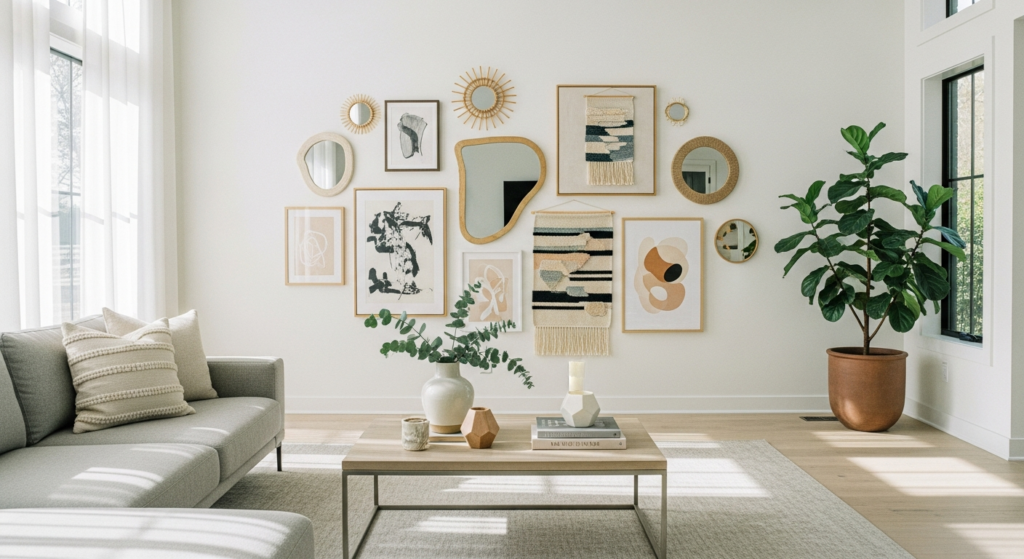
Modern minimalist living room ideas focus on clean lines, soft neutral palettes, natural textures, and carefully curated decor. Instead of filling the space, the goal is to elevate it through balance, light, and thoughtful styling.
Whether you’re designing a small apartment or refreshing a spacious family area, these minimalist living room ideas will help you create a clean, serene, and effortlessly stylish environment.
1. Neutral Color Palettes for a Calm Foundation
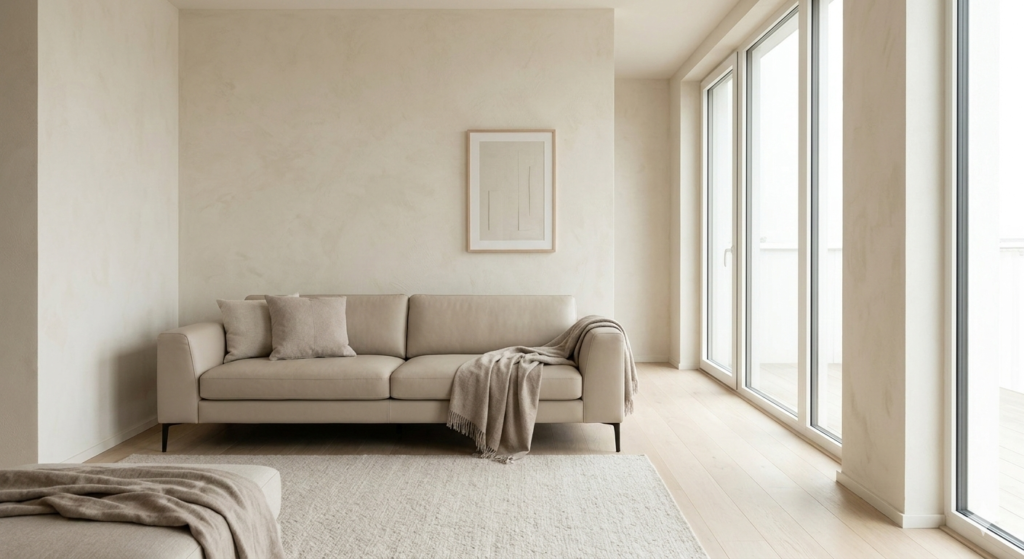
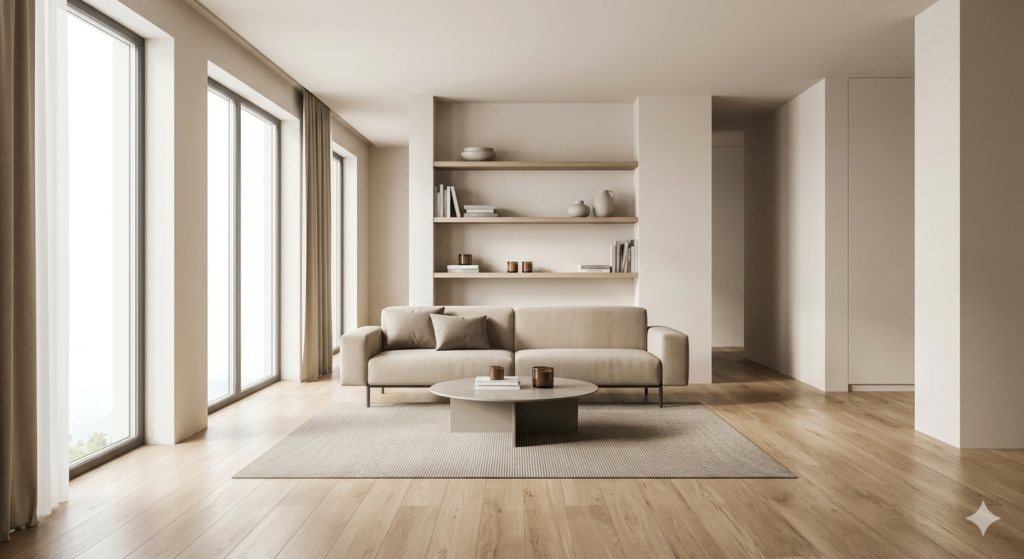
Minimalist living rooms often begin with a soft neutral color palette. Shades like warm white, beige, soft gray, and taupe create a calming visual atmosphere while allowing the architecture and furniture to stand out.
Neutral walls also reflect natural light beautifully, making the room appear brighter and more spacious.
Styling Tip:
Layer multiple neutral tones instead of using just one. Combine creamy walls, light wood furniture, and textured fabrics to create depth without visual clutter.
2. Low-Profile Modern Furniture
Minimalist interiors rely on furniture that feels light, simple, and proportional to the space. Low-profile sofas, streamlined coffee tables, and sleek shelving help maintain an open and airy feeling.
Furniture with slim legs or floating designs visually reduces bulk and keeps the room uncluttered.
Styling Tip:
Choose one statement sofa with clean lines and pair it with a simple round coffee table rather than multiple bulky furniture pieces.
3. Decluttered Layout and Open Space
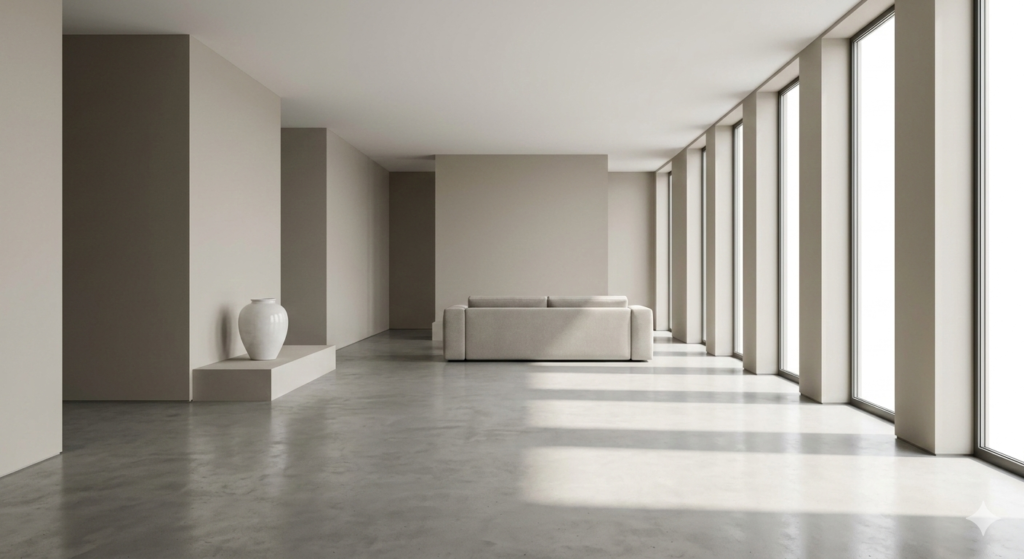
In minimalist design, empty space is just as important as furniture. Allowing the room to breathe creates a sense of calm and order.
Instead of filling every corner, focus on intentional placement and clear walking paths.
Styling Tip:
Remove unnecessary decor and keep surfaces mostly clear. A single sculpture or vase can often create more impact than multiple small accessories.
4. Natural Materials for Warmth
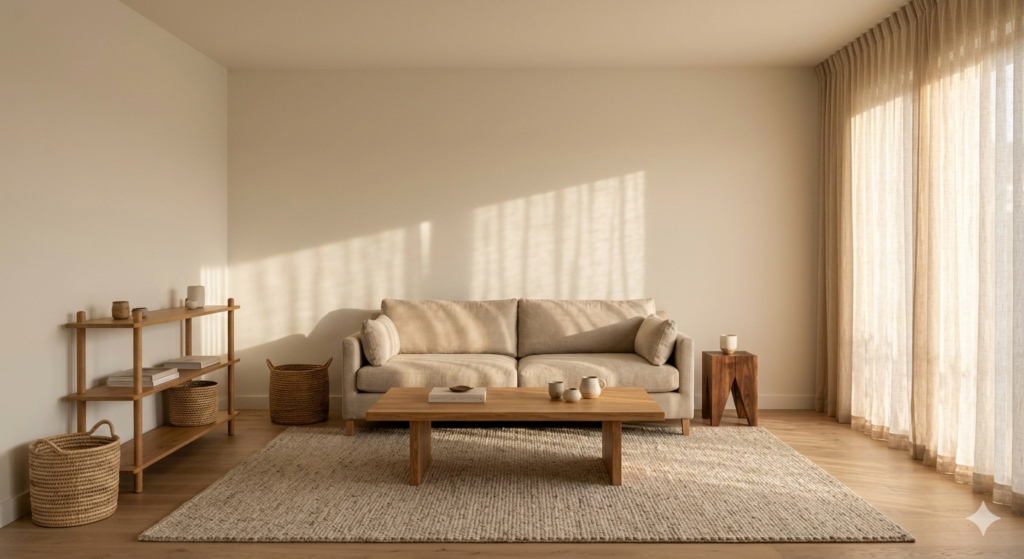
Minimalist spaces can sometimes feel cold if not balanced with natural materials. Incorporating wood, linen, cotton, and stone instantly adds warmth and texture.
Natural materials introduce subtle visual variation without disrupting the minimalist aesthetic.
Styling Tip:
Use a light oak coffee table, linen curtains, or a woven basket to bring organic warmth into the room.
5. Statement Lighting as Functional Art
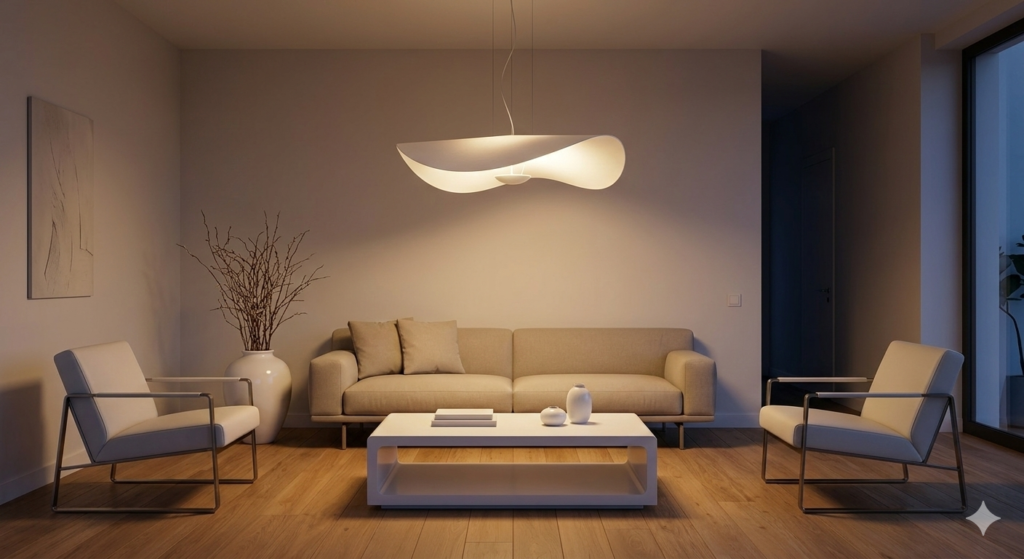
Lighting plays a powerful role in minimalist interiors. Instead of multiple lamps, a single sculptural pendant or floor lamp can become a visual centerpiece.
Soft lighting enhances the calm mood while highlighting architectural elements.
Styling Tip:
Choose warm LED lighting with matte or glass fixtures to maintain a soft and inviting glow.
6. Textured Rugs for Subtle Depth
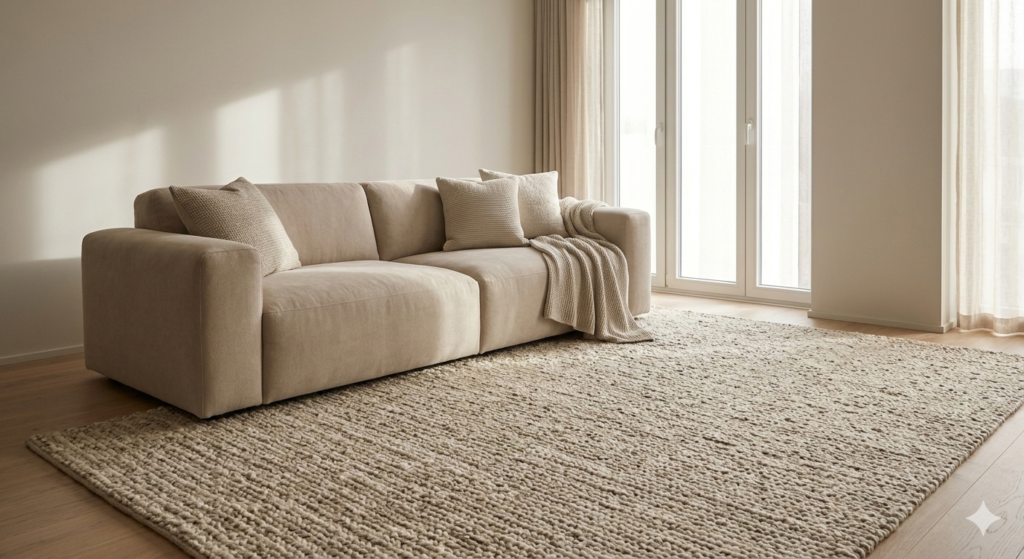
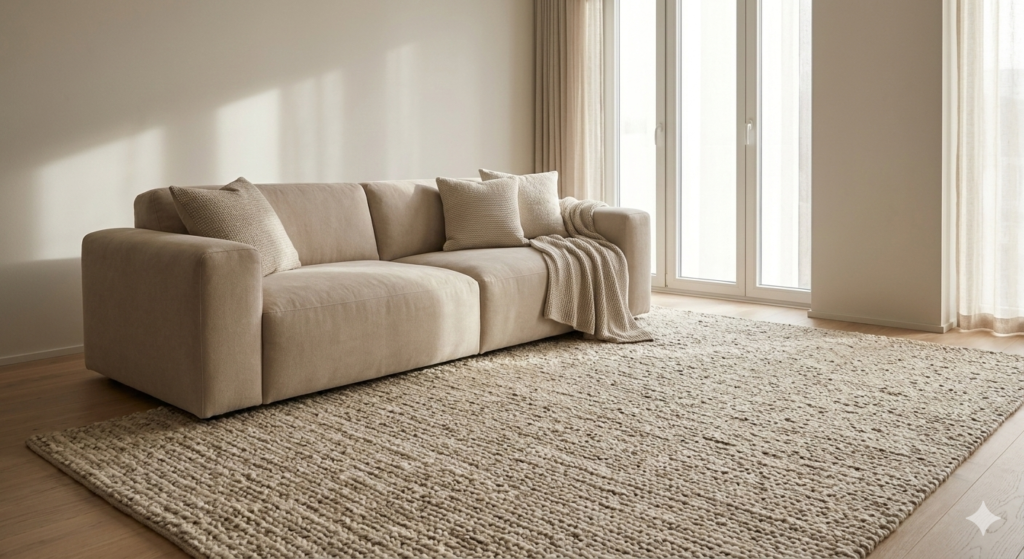
Even minimalist living rooms benefit from texture. A neutral area rug introduces softness and dimension while anchoring the seating arrangement.
Look for rugs with subtle patterns, boucle textures, or woven fibers.
Styling Tip:
Choose a large rug that extends under the sofa and chairs to visually unify the seating area.
7. Minimal Wall Art with Maximum Impact
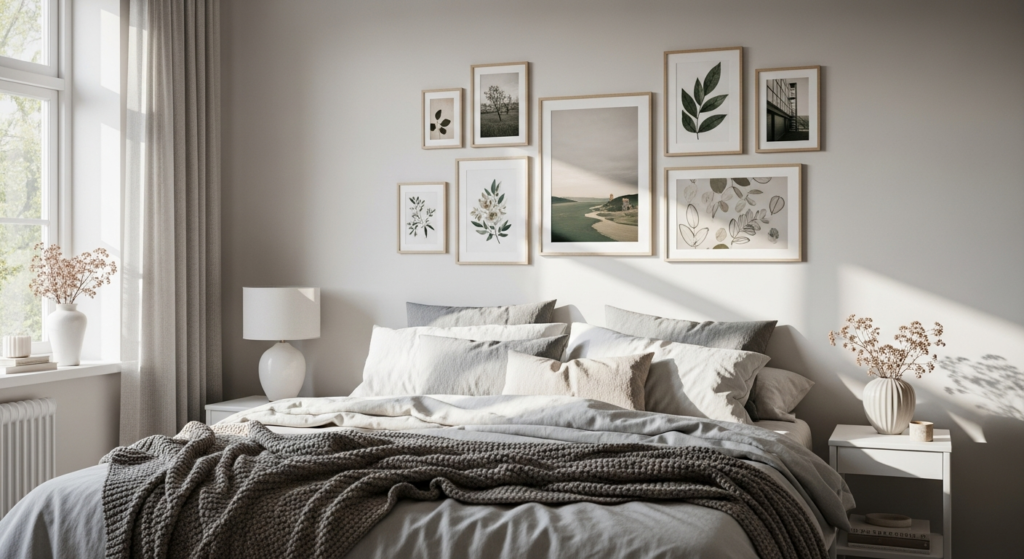
Minimalist wall decor focuses on fewer but more meaningful pieces. Large-scale artwork or framed abstract prints work beautifully in minimalist interiors.
Instead of gallery walls, a single statement artwork can create a refined focal point.
Styling Tip:
Use thin black or wooden frames and keep spacing generous for a clean gallery-style look.
8. Hidden Storage for a Clutter-Free Look
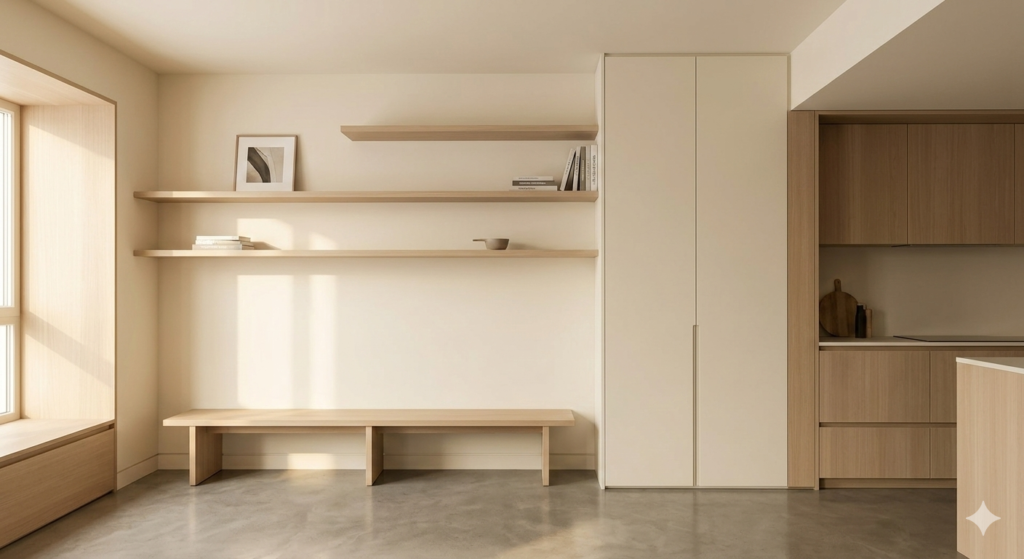
Clutter is the biggest enemy of minimalist design. Smart storage solutions help keep everyday items out of sight while maintaining the room’s sleek appearance.
Floating cabinets, concealed shelving, and storage benches are perfect solutions.
Styling Tip:
Choose furniture that doubles as storage, such as ottomans or coffee tables with hidden compartments.
9. Indoor Plants for Natural Balance
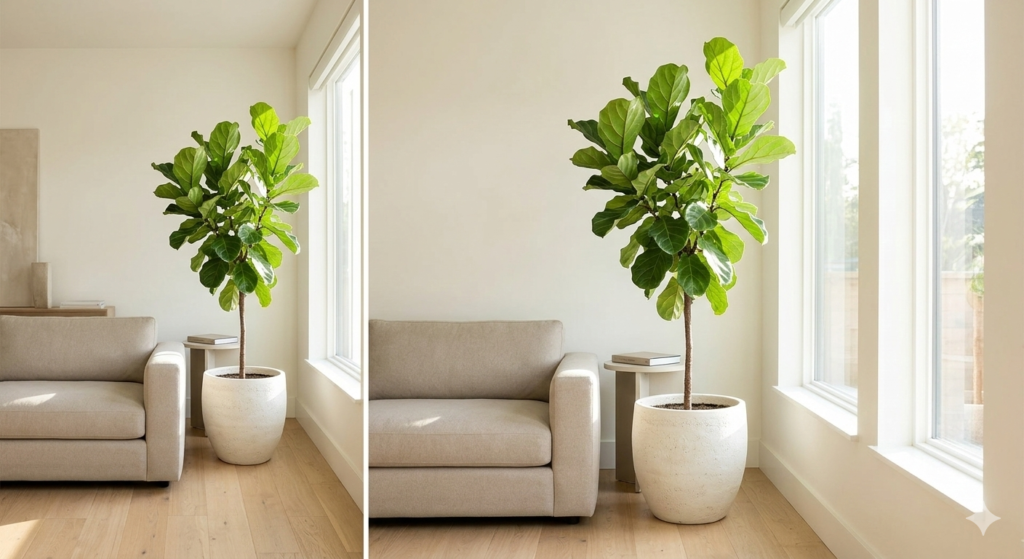
Minimalist spaces benefit from touches of greenery. A single plant can soften the clean lines of modern furniture and add life to the room.
Plants also improve air quality and introduce a natural focal point.
Styling Tip:
Choose sculptural plants like fiddle leaf figs, olive trees, or snake plants in simple ceramic pots.
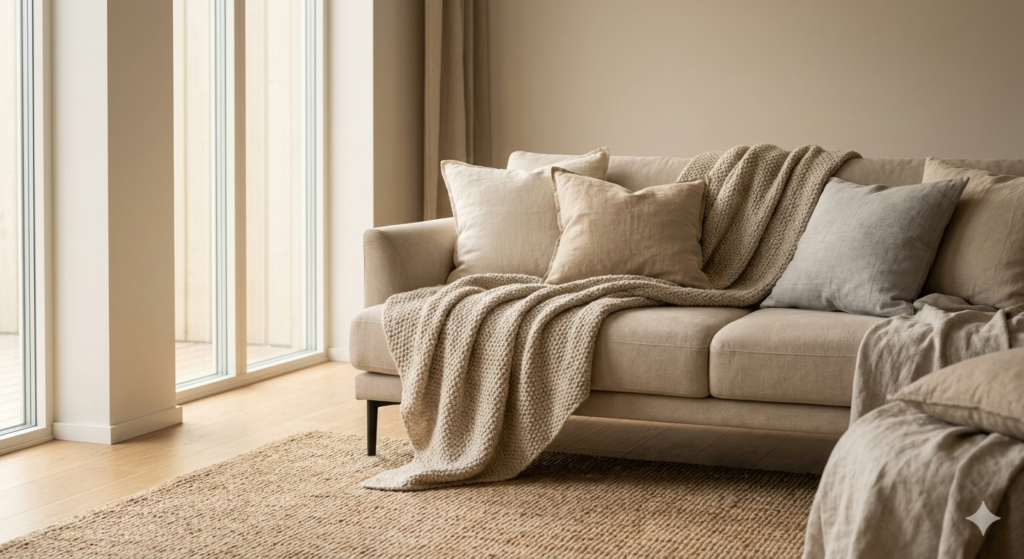
10. Soft Layered Textiles
While minimalism favors simplicity, layered textiles keep the room feeling comfortable rather than sterile.
Throws, cushions, and curtains introduce softness and warmth without overwhelming the space.
Styling Tip:
Stick to two or three coordinating fabrics such as linen, cotton, or boucle to maintain visual harmony.
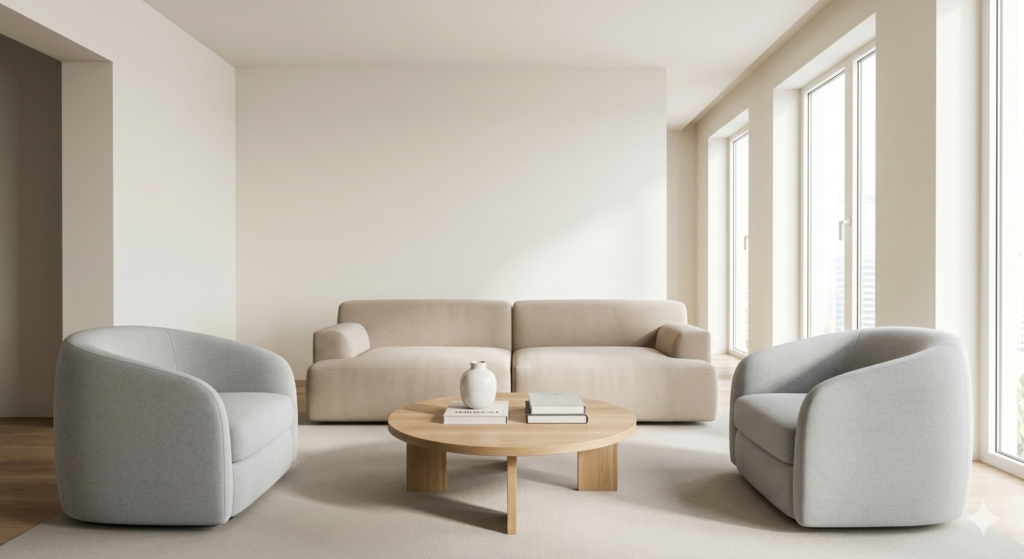
11. Balanced Symmetry and Clean Lines
Minimalist interiors often rely on symmetry and simple geometry. Balanced layouts help create a sense of order and tranquility.
Aligning furniture, lighting, and decor pieces produces a visually calming arrangement.
Styling Tip:
Place two identical armchairs opposite the sofa or use matching table lamps to create subtle symmetry.
Conclusion
Minimalist living room design is about creating a peaceful environment where simplicity and elegance work together. By focusing on neutral palettes, functional furniture, natural textures, and thoughtful layouts, you can transform any living space into a calm and stylish retreat.
The beauty of minimalist interiors lies in their timeless appeal. When carefully curated, these design ideas not only elevate your living room today but continue to feel fresh and sophisticated for years to come.
SEO FAQs
What defines a minimalist living room design?
A minimalist living room focuses on clean lines, neutral colors, simple furniture, and clutter-free spaces that promote calm and functionality.
What colors work best for minimalist living rooms?
Neutral tones such as white, beige, soft gray, taupe, and light earth tones are commonly used to create a peaceful atmosphere.
How do I make a minimalist living room feel cozy?
Incorporate textured fabrics, warm lighting, natural materials, and a few carefully chosen decor pieces to add warmth without clutter.
Can minimalist design work in small living rooms?
Yes. Minimalist design is ideal for small spaces because clean layouts, light colors, and simple furniture make rooms appear larger.
What decor works best in minimalist interiors?
Choose a few statement pieces such as large artwork, sculptural lighting, or a single plant rather than multiple small decorative items.