Introduction
Your home is the most personal space you will ever design.
It is where the day begins and ends. Where memories are made quietly, in ordinary moments. Where the quality of light through a window, the texture of a cushion, or the warmth of a well-placed lamp can shift the entire feeling of a room — and by extension, of a life lived inside it.
The most stunning home design is not about following every trend or spending without limit. It is about understanding the principles that make spaces feel beautiful, cohesive, and deeply personal. It is about knowing which textures bring warmth, which colours open a room, which lighting transforms an ordinary evening into something that feels genuinely special.
In 2025, the home decor ideas capturing the most attention are those rooted in timeless design principles — natural materials, considered colour, layered lighting, and the kind of restrained elegance that feels more luxurious the longer you live with it.
These are the ten most inspiring and most transformative home design decor ideas of the moment — each one practical, beautiful, and built to last.
1. Design Around a Signature Colour Story
Every stunning home has a colour story — a curated palette that flows with intention from room to room, creating a sense of visual cohesion and calm. In 2025, the most beautiful home design decor palettes are built around two to three signature tones that anchor the entire interior.
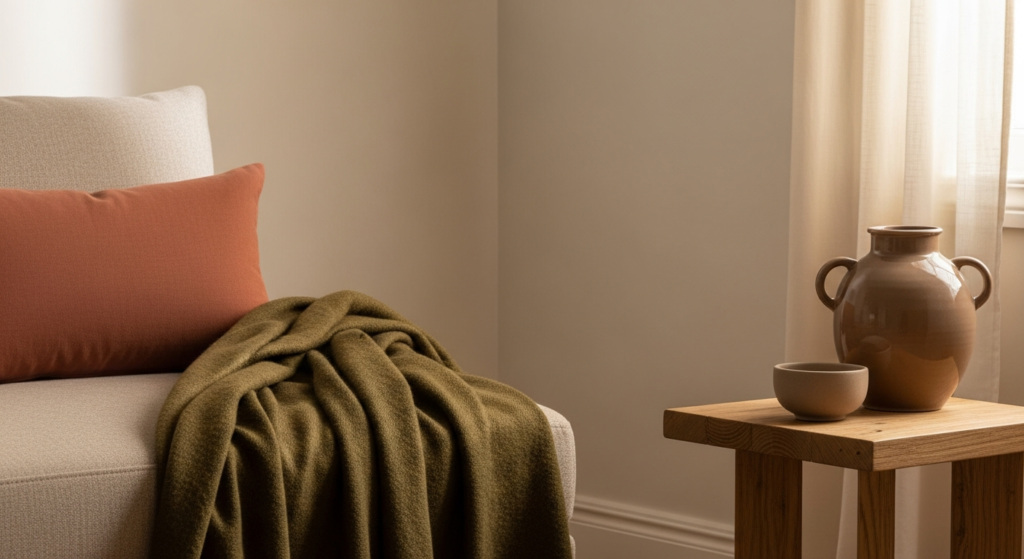
Styling Tip: Choose one dominant neutral — warm white, soft greige, or pale sage — as the foundation of your home’s colour story. Add one mid-tone in a complementary earthy shade — terracotta, dusty blush, warm olive, or warm taupe — as the supporting colour. Introduce a single deeper accent — deep burgundy, forest green, or rich navy — through cushions, throws, and small furniture pieces. Keep this palette consistent across rooms, allowing it to shift in intensity rather than character from space to space.
A cohesive colour story makes a home feel architecturally considered — as though the design was planned with genuine expertise rather than assembled piece by piece over time.
2. Layer Natural Materials Throughout Every Room
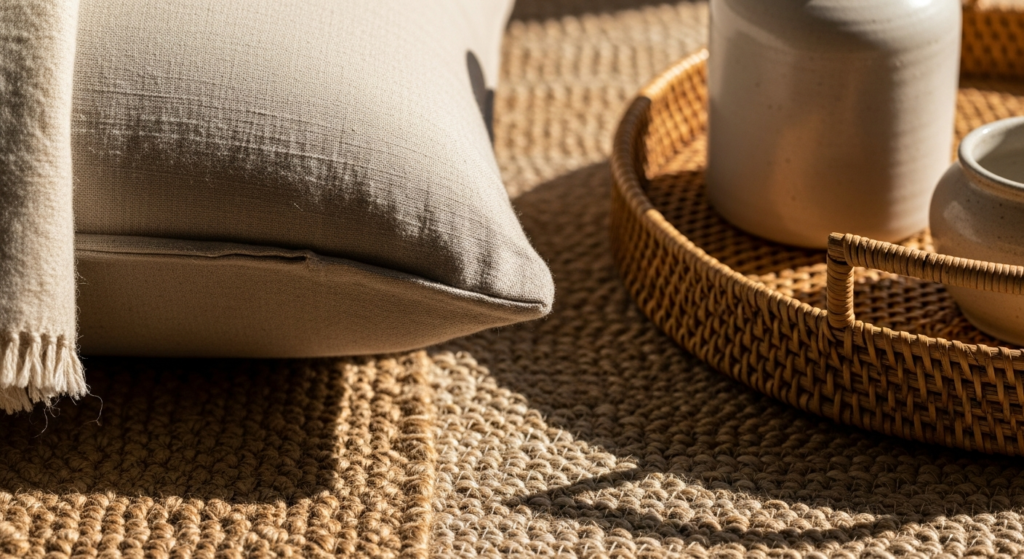
The single most transformative shift in contemporary home design decor is the move toward natural, organic materials in every room of the home. Timber, stone, linen, rattan, jute, wool, terracotta, and leather all carry an inherent warmth and authenticity that manufactured materials simply cannot replicate.
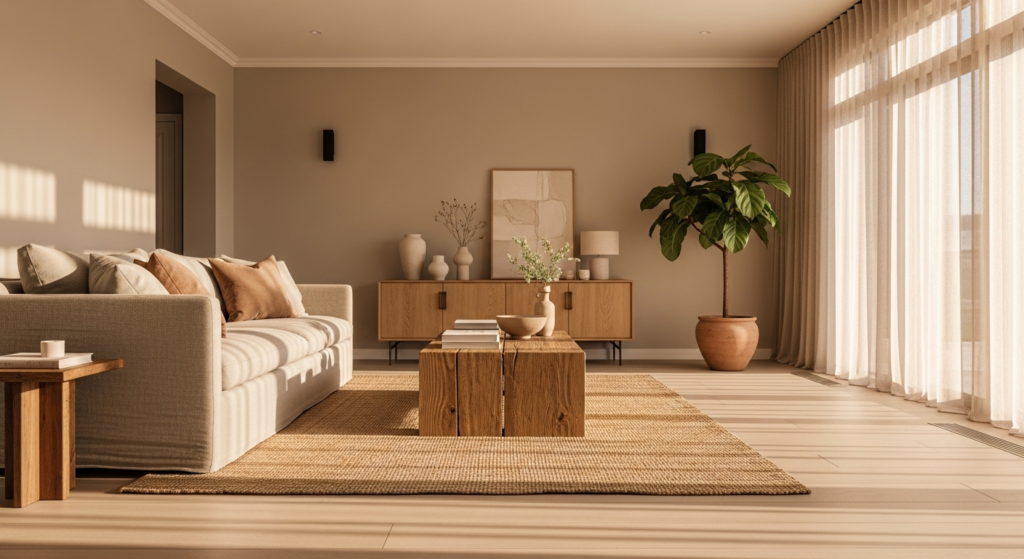
Styling Tip: Aim to layer at least four distinct natural materials in every principal room. In a living room: a linen sofa, a jute rug, a raw timber coffee table, and ceramic decorative objects. In a bedroom: a linen duvet, a wool throw, a rattan pendant light, and a solid timber bed frame. In a kitchen: stone countertops, timber open shelving, linen dish towels, and ceramic vessels. The layering of natural textures creates depth, richness, and a sense of organic beauty that feels expensive without necessarily costing more.
Natural materials also age gracefully — they develop character, patina, and beauty over time, making them the most sustainable and long-term investment in your home’s aesthetic.
3. Master the Art of Lighting Design
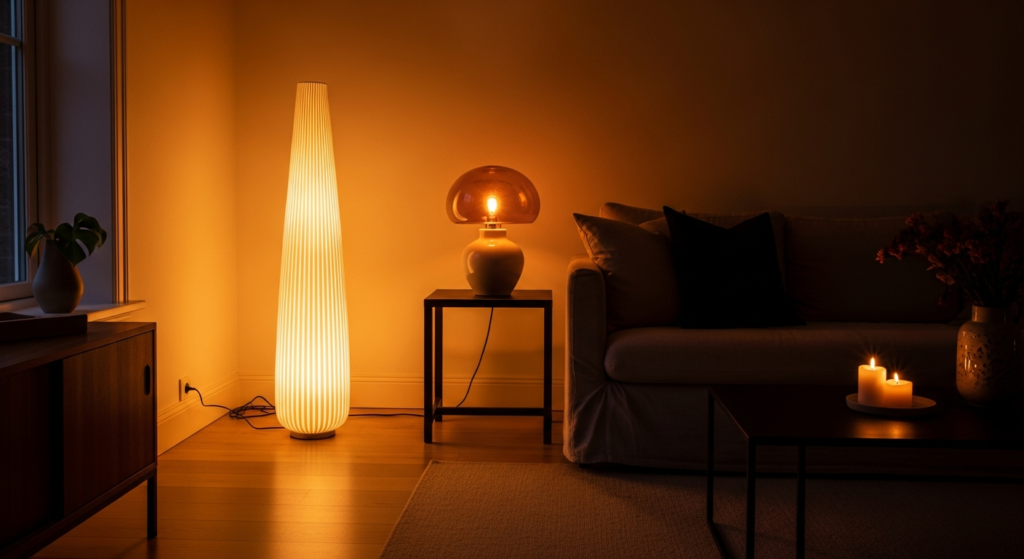
Lighting is the most underestimated element of home design decor — and the one that delivers the most dramatic transformation when done well. A beautifully lit home feels warmer, more spacious, more considered, and infinitely more liveable than one relying on flat overhead illumination alone.
Styling Tip: Every principal room requires three layers of lighting to feel complete. Ambient lighting provides overall illumination — a soft overhead source or recessed lighting. Task lighting serves functional purposes — reading lamps beside beds and sofas, under-cabinet lighting in kitchens. Accent lighting creates atmosphere and visual interest — a floor lamp in a corner, picture lighting above artwork, candlelight on a dining table. All sources should use warm-toned bulbs at 2700K to 3000K. Install dimmer switches throughout the home for effortless mood control across the day and evening.
The investment in quality lighting design — pendants, floor lamps, table lamps, and dimmers — delivers a return in daily livability that no decorative object can match.
4. Invest in Statement Furniture with Timeless Silhouettes
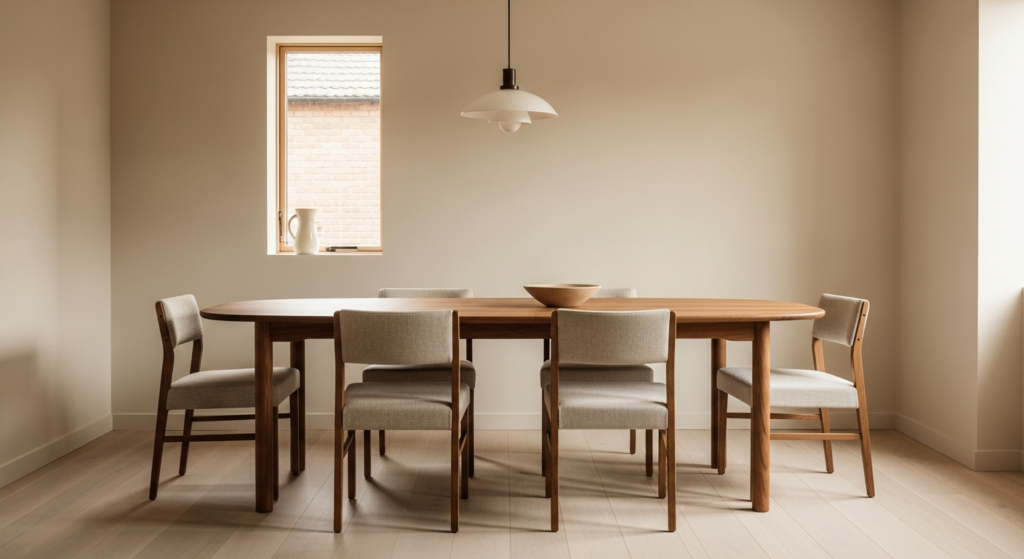
In a beautifully designed home, furniture is not simply functional — it is architectural. The silhouettes of your key furniture pieces define the character of each room and communicate the design language of the entire home. Investing in one or two statement pieces with truly timeless forms is one of the most impactful home design decor decisions available.
Styling Tip: Look for furniture silhouettes that have demonstrated longevity across decades of design history — the clean lines of mid-century modern seating, the gentle curves of contemporary organic design, the architectural solidity of a well-crafted timber dining table. Avoid furniture defined entirely by a passing trend. Instead, choose pieces whose form would be equally at home in a design magazine from ten years ago and ten years from now. Quality of construction — solid joints, quality fabric, sustainable materials — is more important than price point alone.
One beautifully made statement piece elevates every other element in the room simply by its presence.
5. Create Considered Vignettes and Styled Surfaces
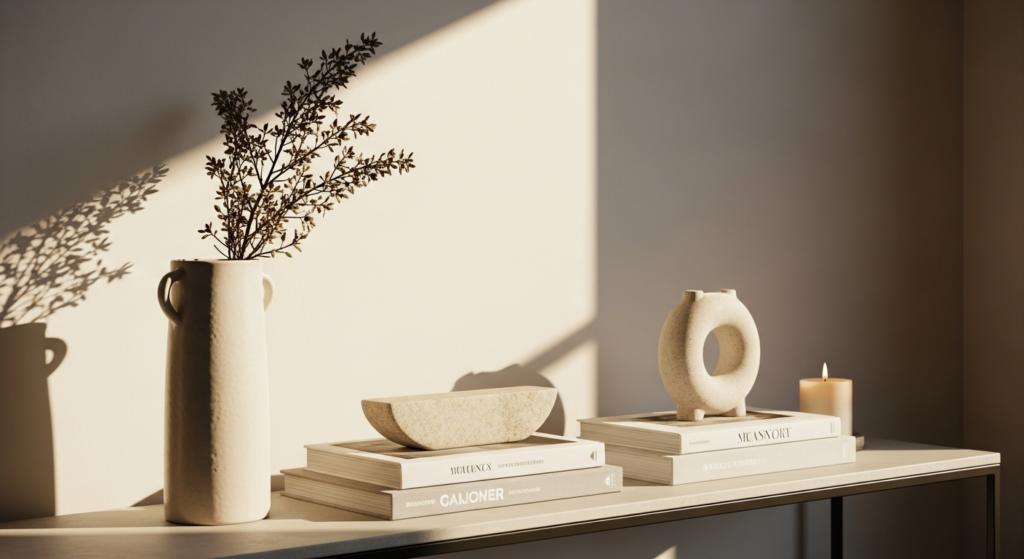
The surfaces of a home — console tables, sideboards, coffee tables, windowsills, and shelves — are among its most expressive design opportunities. A thoughtfully styled vignette transforms a functional surface into a small work of art that communicates personality, taste, and aesthetic intelligence.
Styling Tip: Every styled surface should follow the principle of the considered edit — choose three to five objects of varying height, texture, and material, and arrange them with deliberate breathing room between each piece. A tall ceramic vase, a small stack of design books, a low sculptural object, and a single candle create a beautifully balanced vignette without visual noise. Keep the colour palette of each vignette tonal — objects in the same colour family but different materials create cohesion and depth simultaneously.
Resist the impulse to fill every surface. Empty space within a vignette — negative space — is as much a design element as the objects themselves.
6. Use Artwork to Anchor and Elevate Every Room
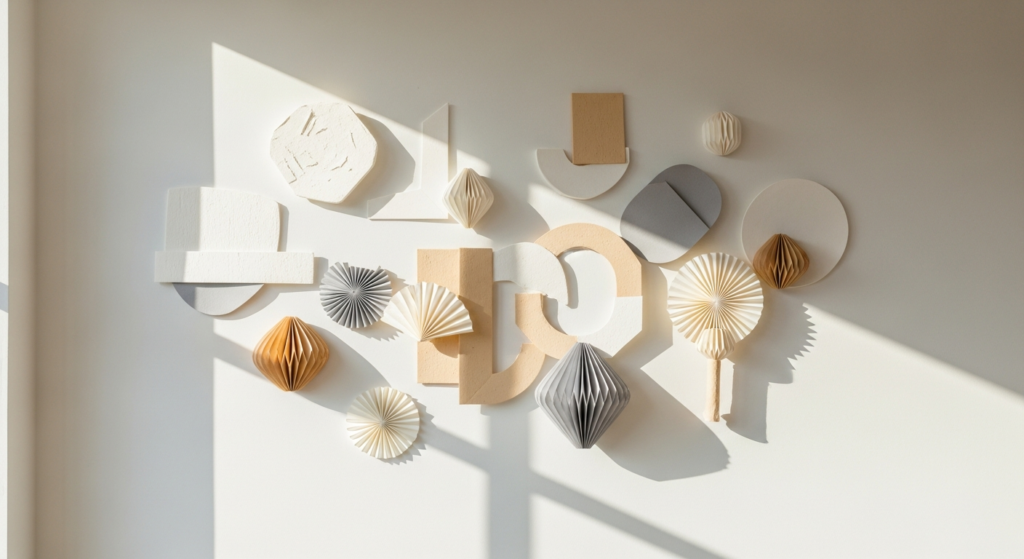
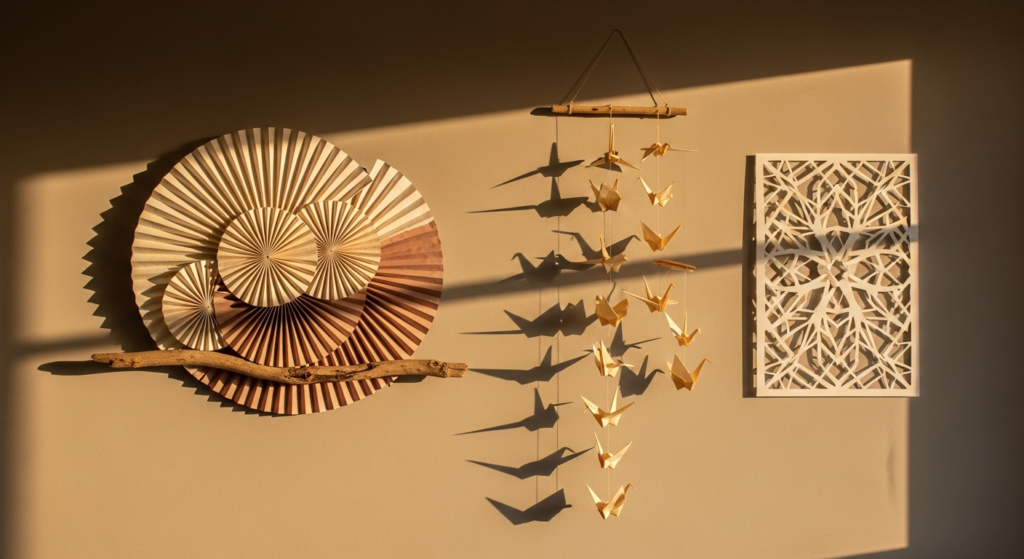
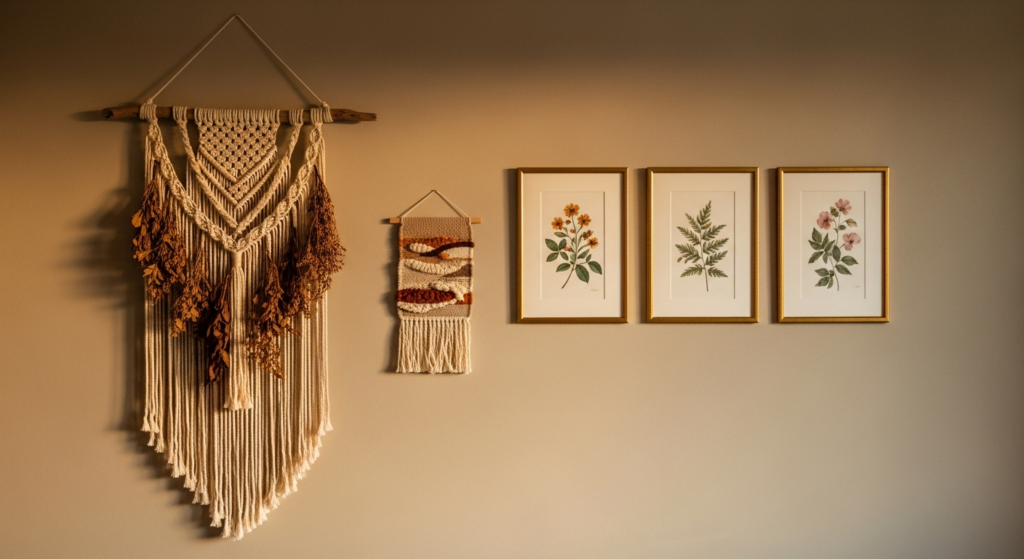
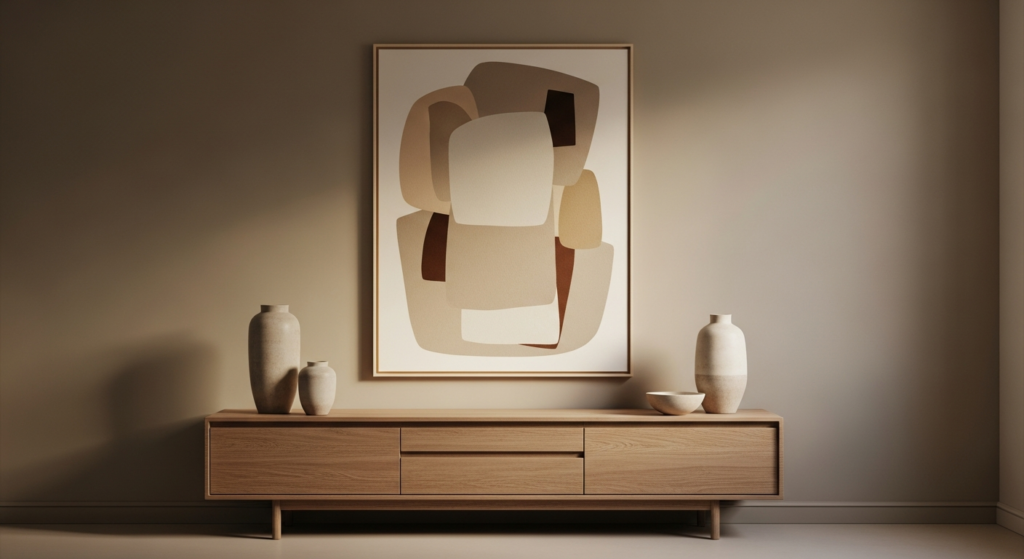
Artwork is the element that most immediately communicates personal vision in a home — and when chosen and placed with care, it becomes the emotional and visual anchor of an entire room. In 2025, home design decor is embracing a broader definition of art — from framed fine art prints and original paintings to sculptural wall objects, woven textiles, and oversized photography.
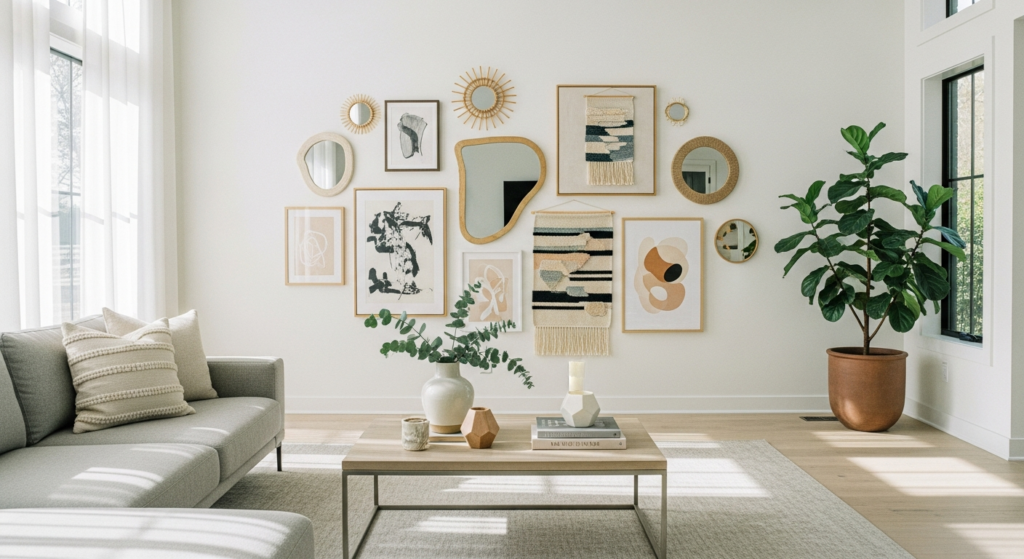
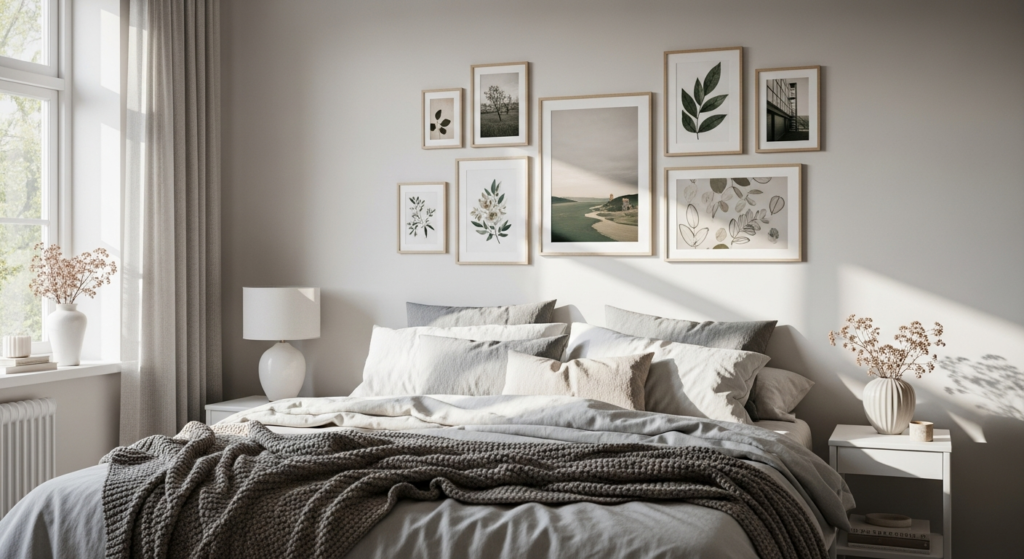
Styling Tip: The most common artwork mistake in home design is hanging pieces too high. Art should be hung so that its centre point sits at approximately eye level — around 145 to 150 centimetres from the floor in most rooms. For gallery walls, lay out the arrangement on the floor before committing to wall placement. Mix frame sizes, orientations, and art styles while keeping the frame tone consistent — all natural timber, all black, or all warm gold for a cohesive result.
A single oversized artwork leaned against a wall rather than hung creates an effortlessly editorial look that is particularly beautiful in bedrooms and living rooms.
7. Design Functional and Beautiful Storage Solutions
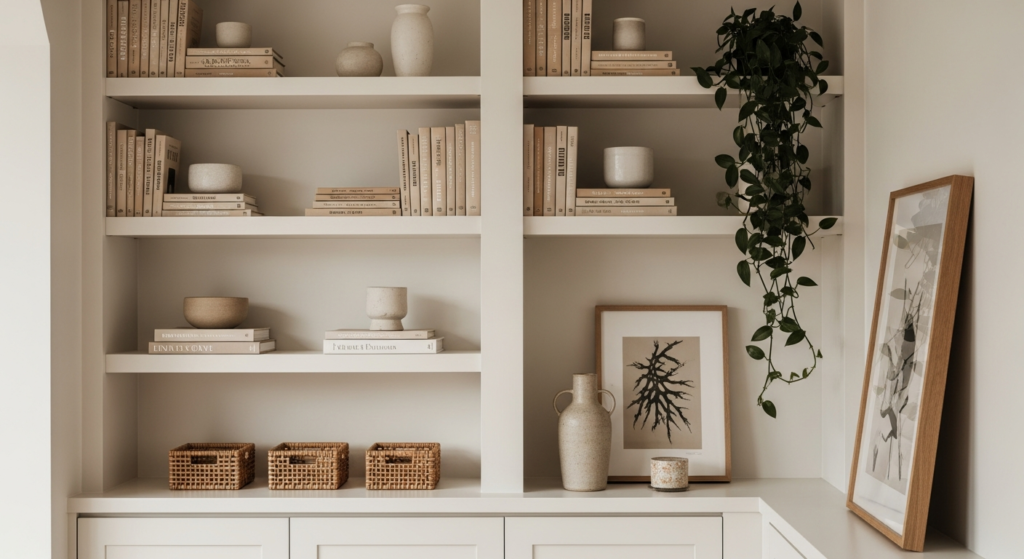
The most beautiful homes are also the most organised ones — because clutter is the single greatest obstacle to achieving the aesthetic you are working toward. Thoughtful, considered storage is therefore not a purely practical concern but a fundamental home design decor principle.
Styling Tip: Integrate storage into the visual design of the room rather than treating it as a separate functional afterthought. Built-in cabinetry in a living room or bedroom creates a clean, architectural line that makes the room feel designed rather than decorated. Open shelving becomes a display opportunity when styled with the same care as any other surface. Baskets in natural materials — rattan, seagrass, woven cotton — on lower shelves or in entryways provide concealed storage with genuine aesthetic warmth.
The principle is simple: everything that needs to be stored should be stored beautifully, in a way that contributes to rather than detracts from the overall design.
8. Bring the Outdoors In with Organic Shapes and Botanicals
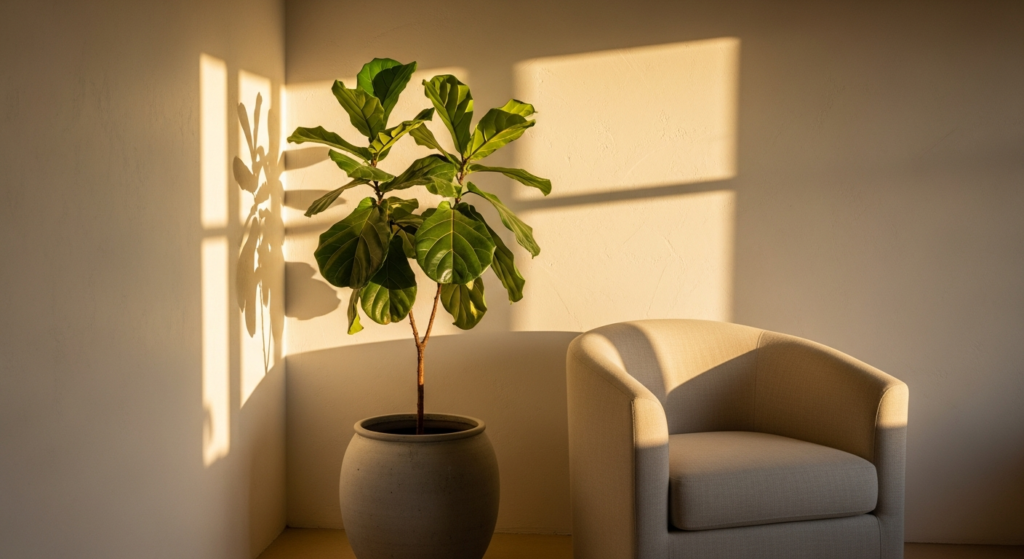
One of the most enduring and universally beloved principles of home design decor is the incorporation of natural, living elements — plants, dried botanicals, organic sculptural forms, and the irregular beauty of nature — into the interior environment. These elements soften hard architectural lines, introduce life and movement, and create a sensory connection to the natural world that makes a home feel genuinely alive.
Styling Tip: Choose plants with strong architectural presence for maximum impact — a large fiddle leaf fig, a sculptural monstera, a graceful olive tree, or a cluster of varying-height snake plants. Place them where they will receive appropriate light and where their form will be visible from multiple angles in the room. Complement living plants with dried pampas grass, eucalyptus branches, or cotton stems in quality ceramic or stone vessels for year-round botanical beauty that requires zero maintenance.
Organic shapes in furniture and decorative objects — curved edges, irregular forms, asymmetrical compositions — echo the natural world and create a warmth and ease that purely geometric design cannot achieve.
9. Elevate Every Room with Quality Textiles
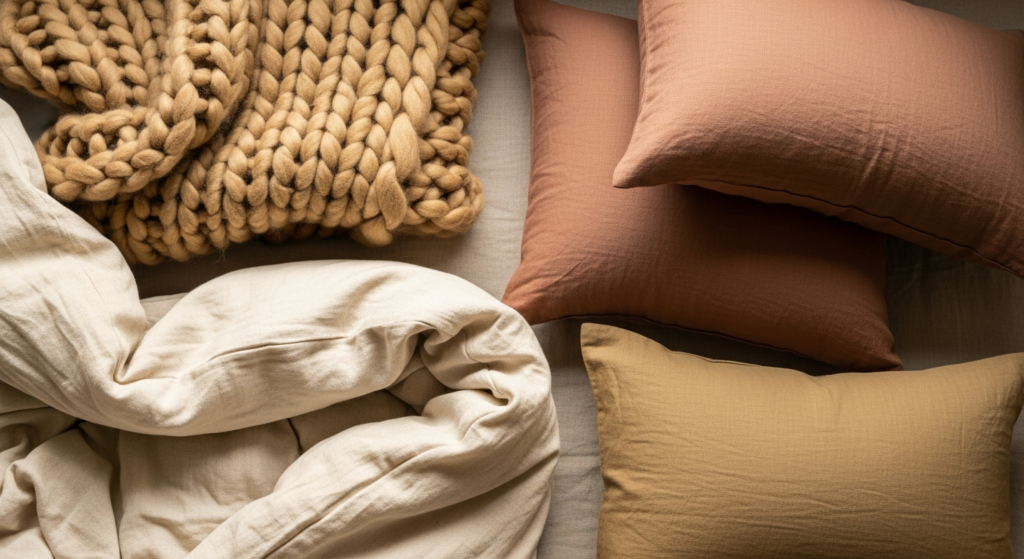
Textiles are the warmth of a home made tangible. They are what make a beautifully designed room feel liveable rather than simply photographable — the layer of comfort, texture, and sensory richness that invites you to stay, to settle, to feel genuinely at ease. In 2025, quality home textiles in natural fibres are among the most important home design decor investments available.
Styling Tip: Prioritise natural fibre textiles in every room of the home. Linen and cotton bedding in the bedroom. Wool and cashmere throws in the living room. A quality wool or cotton rug underfoot in every principal room. Linen or cotton curtains at every window. These materials breathe, age beautifully, and photograph with an organic richness that synthetic alternatives cannot replicate. Keep textile colours within your home’s established palette — tonal variation in texture rather than colour creates the most sophisticated result.
Layer textiles at different heights — a rug on the floor, cushions on the sofa, a throw at the foot of the bed, curtains framing the window — for a fully dimensional, magazine-quality interior.
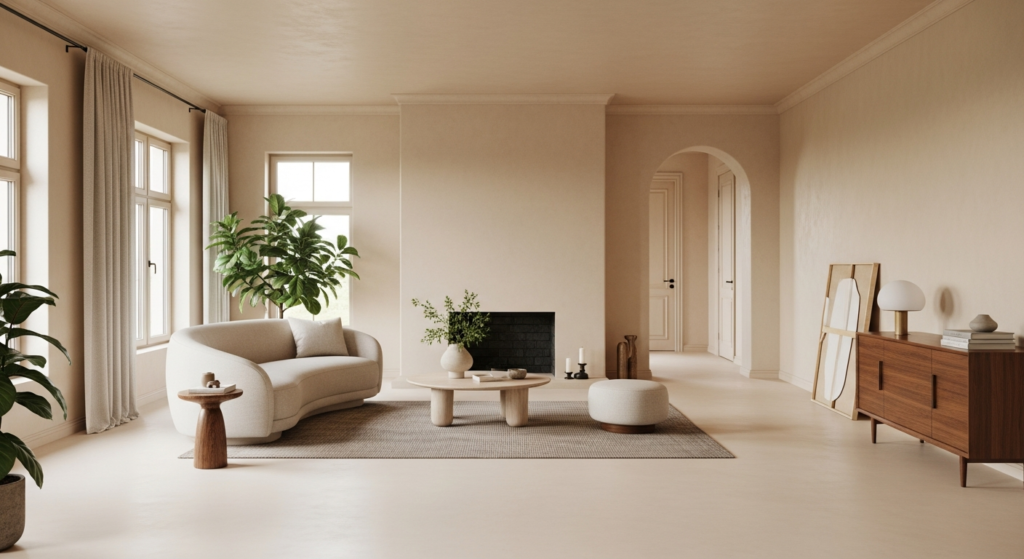
10. Edit the Home with Intention and Evolve It Slowly
The final and most fundamental home design decor principle is the one that separates beautiful homes from simply full ones — the practice of intentional editing and patient, considered evolution. The most stunning interiors are not completed in a single weekend shopping trip. They are curated slowly, over time, with a discerning eye and a willingness to live with a space before adding to it.
Styling Tip: Implement the one-in-one-out principle for decorative objects — when something new enters the home, something existing must leave. Walk through your home periodically and remove anything that does not serve a genuine functional or aesthetic purpose. Give each room a rest after significant decorating changes and observe it across different times of day and different light conditions before making further decisions. The home that has been edited with patience and lived with thoughtfully always feels more authentic, more personal, and more beautiful than one that has been rapidly assembled.
Design is not a destination. It is a practice — and the homes that feel most remarkable are those that reflect the ongoing, evolving taste of the people who genuinely love living in them.
Conclusion
Stunning home design decor is not the exclusive domain of professional interior designers or unlimited budgets. It is the result of understanding a handful of fundamental principles — colour cohesion, natural materials, layered lighting, quality furniture, considered styling, meaningful artwork, functional storage, organic elements, quality textiles, and the discipline of intentional editing — and applying them with patience and genuine care.
Every home has the potential to be beautiful. Every room has the capacity to be transformed. The most important step is simply to begin — thoughtfully, intentionally, and with a clear sense of the feeling you want to create.
Because a home that feels truly beautiful is not just an aesthetic achievement. It is one of the most meaningful investments you will ever make in the quality of your daily life.
FAQs
Q1: What are the most important home design decor principles for a stunning interior? The most impactful home design decor principles include building a cohesive colour palette, layering natural materials and textures, designing with three layers of lighting, investing in timeless furniture silhouettes, and editing spaces with restraint. These principles work together to create interiors that feel considered, cohesive, and genuinely beautiful rather than simply decorated.
Q2: How do I choose a colour palette for my home decor? Begin with one dominant neutral that will form the foundation of the entire home — warm white, soft greige, or pale sage are among the most versatile and timeless choices. Add one complementary mid-tone in an earthy shade and one deeper accent colour introduced through textiles and accessories. Keep this palette consistent across rooms, allowing it to shift in intensity rather than character, for a cohesive whole-home result.
Q3: What natural materials work best in home design decor? The most beautiful and versatile natural materials for home design include linen, wool, jute, rattan, solid timber, raw stone, terracotta, and ceramic. These materials layer together to create rich, warm, organic interiors that feel expensive and considered. They also age gracefully, developing character and beauty over time rather than deteriorating like synthetic alternatives.
Q4: How do I make my home look more expensive through decor? The most effective strategies for an elevated home aesthetic without excessive spending include repainting walls in a quality warm neutral, investing in linen or cotton curtains that extend from ceiling to floor, adding a large natural fibre area rug to principal rooms, replacing outdated light fittings with warmer alternatives, editing and decluttering every surface, and replacing cheap decorative objects with a smaller number of quality pieces in natural materials.
Q5: How often should I update my home design decor? Rather than following seasonal trend cycles, the most beautiful approach to home design is one of slow, intentional evolution — adding and removing pieces as your taste develops and as genuinely beautiful objects present themselves. Major design elements like furniture, rugs, and lighting should be chosen for longevity and updated rarely. Textiles, plants, and surface styling can be refreshed more frequently to introduce seasonal warmth and freshness without disrupting the overall design cohesion.