Introduction
A beautifully decorated home is more than just visually pleasing—it reflects personality, enhances comfort, and creates a sense of harmony. The art of house decorating lies in balancing aesthetics with functionality, where every element contributes to a cohesive story. From subtle textures to thoughtfully layered lighting, the right design choices can elevate everyday living. These inspiring ideas are curated to help you transform your home into a refined, inviting, and timeless space.
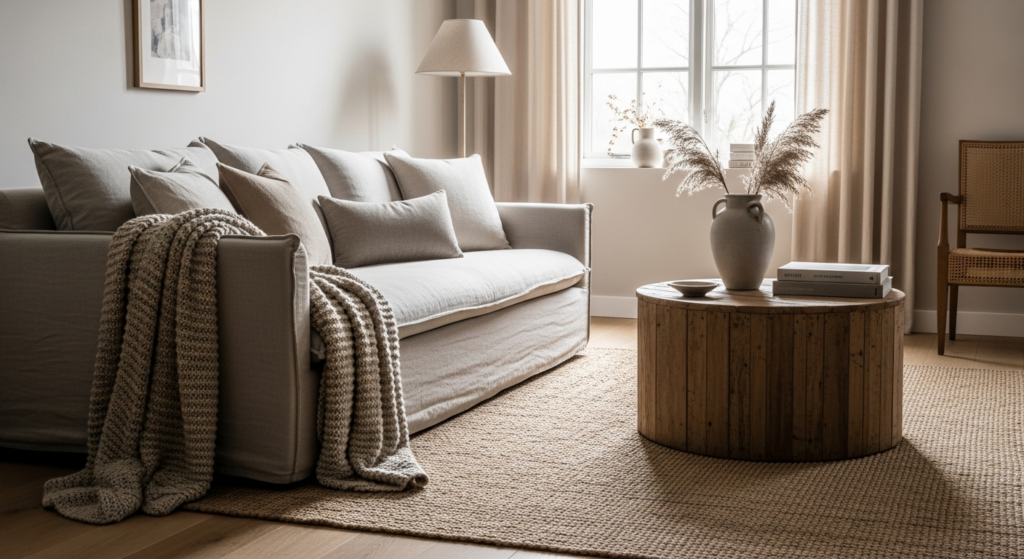
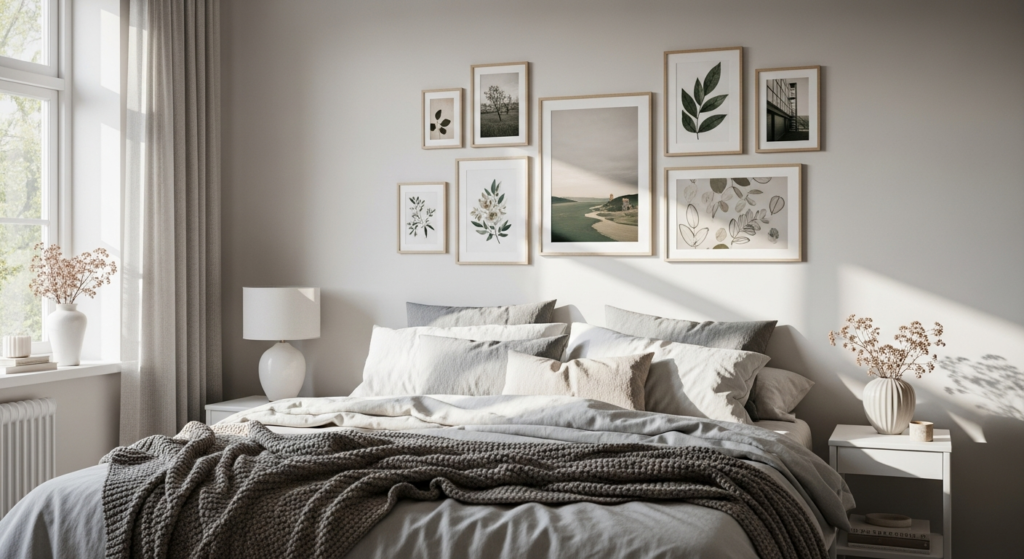
1. Embrace a Soft Neutral Palette
Neutral tones form the foundation of elegant interiors.
They create a calm atmosphere while allowing textures and accents to stand out.
Styling Tips:
- Layer shades like beige, ivory, and soft grey
- Add warmth with wooden elements
- Use textured fabrics to avoid flatness
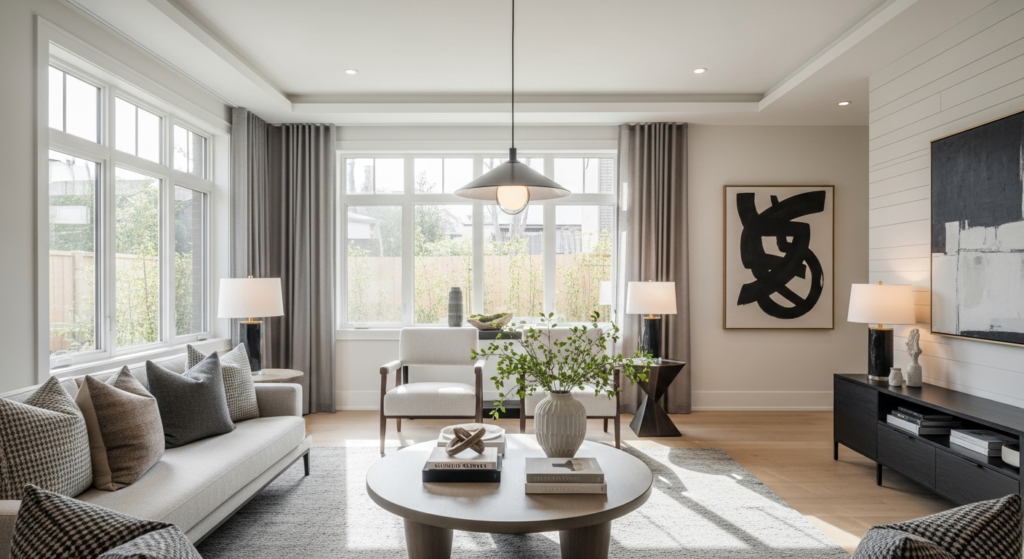
2. Layer Lighting for Depth and Ambiance
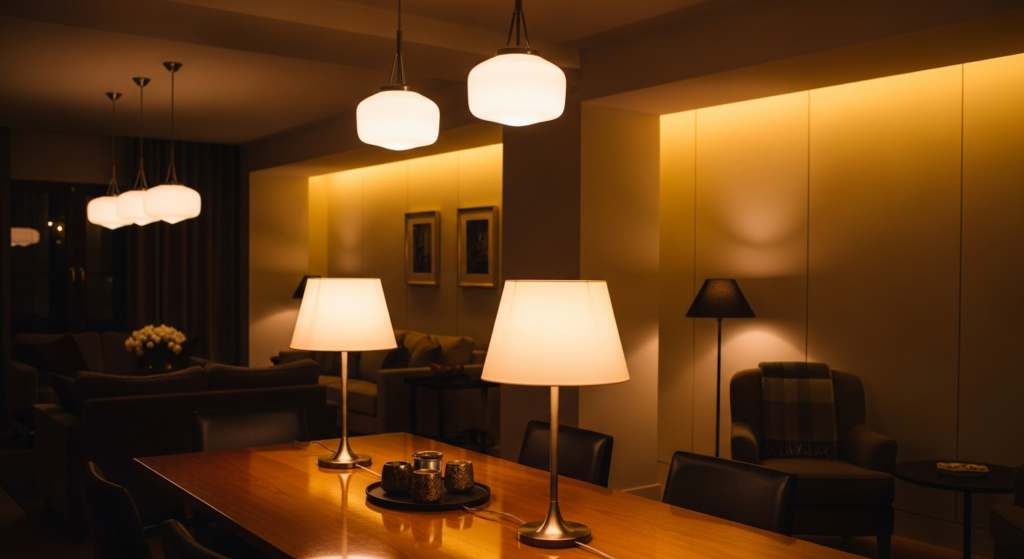
Lighting defines the mood and functionality of a space.
A well-lit home feels warm, inviting, and visually balanced.
Styling Tips:
- Combine ceiling lights with floor and table lamps
- Use warm bulbs for a cozy effect
- Highlight artwork or architectural features
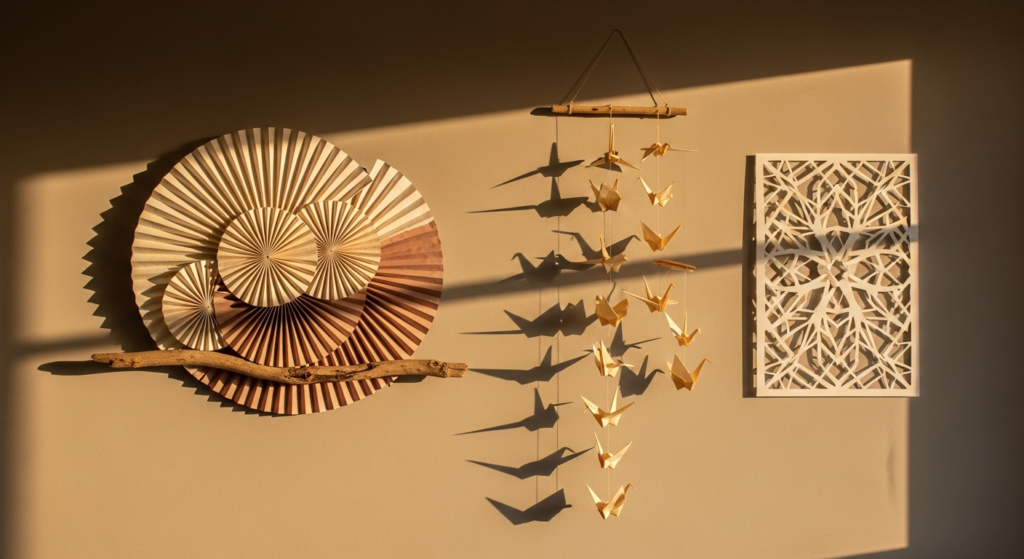
3. Incorporate Natural Materials
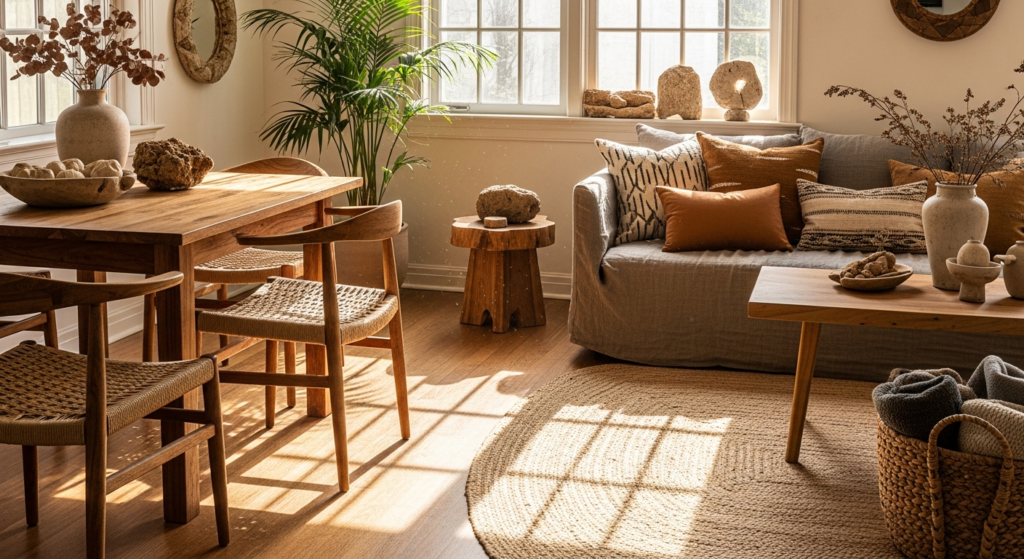
Nature-inspired elements bring warmth and authenticity.
Wood, stone, and organic fibers create a timeless appeal.
Styling Tips:
- Use wooden furniture or accents
- Add woven baskets or linen textiles
- Keep finishes natural and understated
4. Create a Focal Point in Each Room
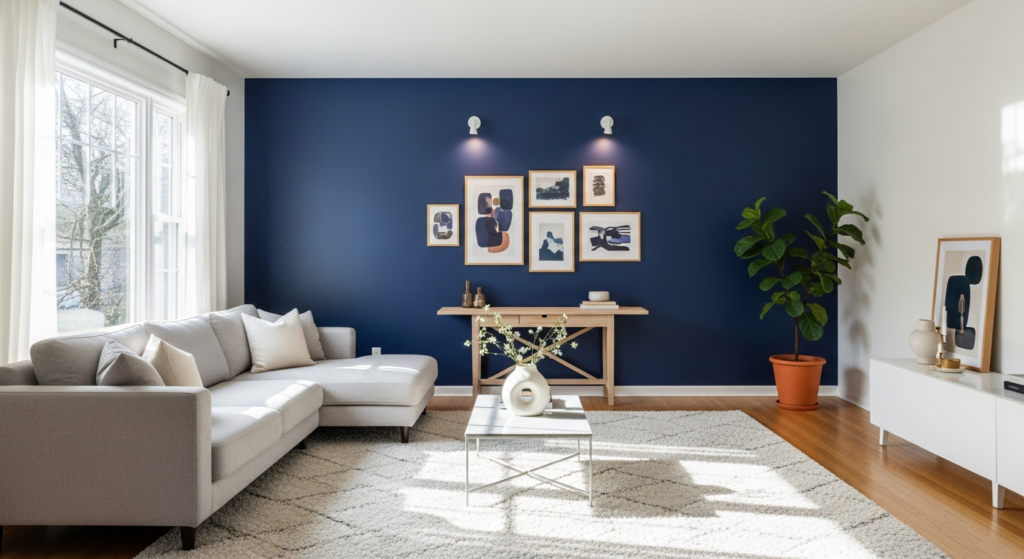
Every room benefits from a strong visual anchor.
This could be a statement wall, artwork, or a standout furniture piece.
Styling Tips:
- Keep surrounding decor minimal
- Use lighting to emphasize the focal point
- Maintain balance with complementary elements
5. Use Rugs to Define Spaces
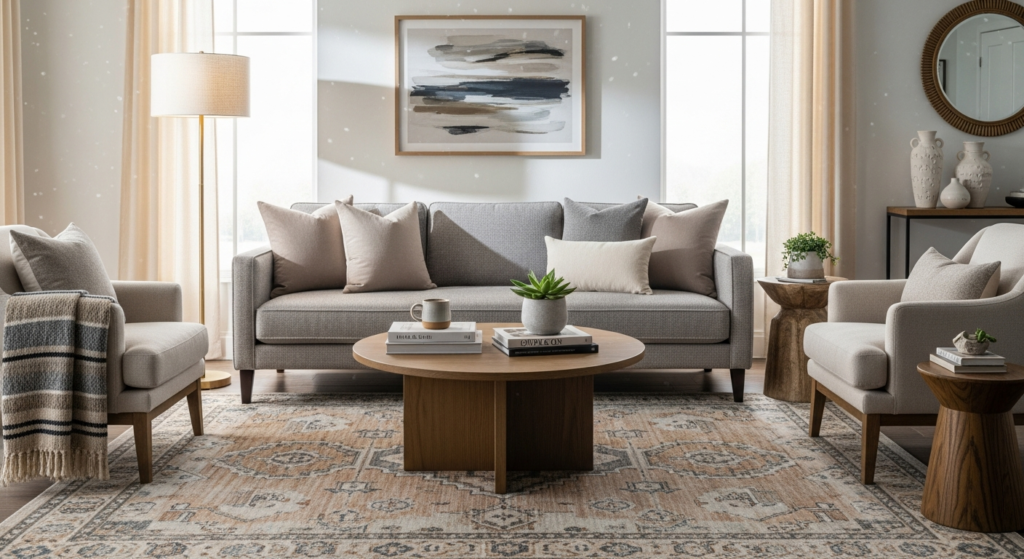
Rugs add comfort while organizing layouts.
They help visually separate areas, especially in open-plan homes.
Styling Tips:
- Choose rugs that fit the furniture layout
- Layer textures for depth
- Stick to cohesive color schemes
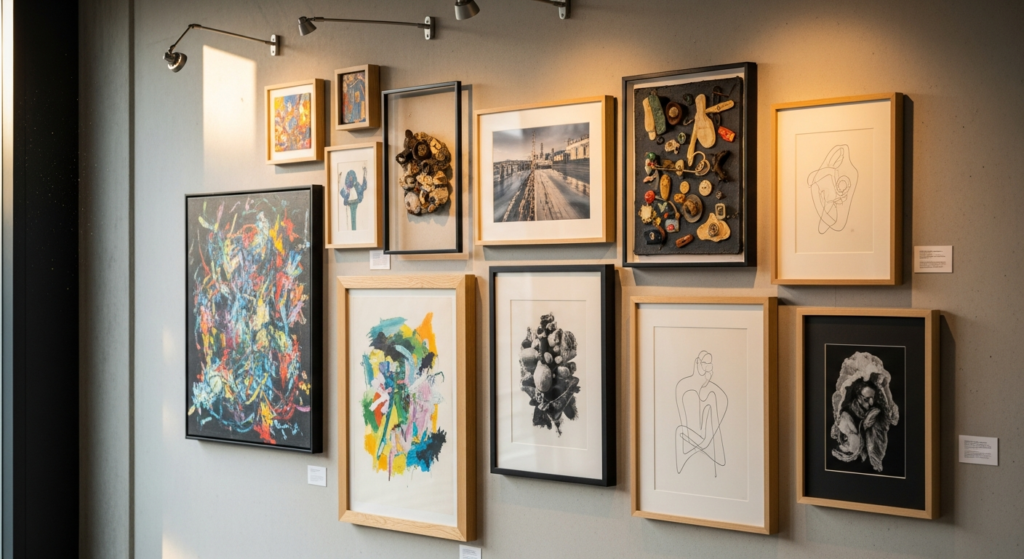
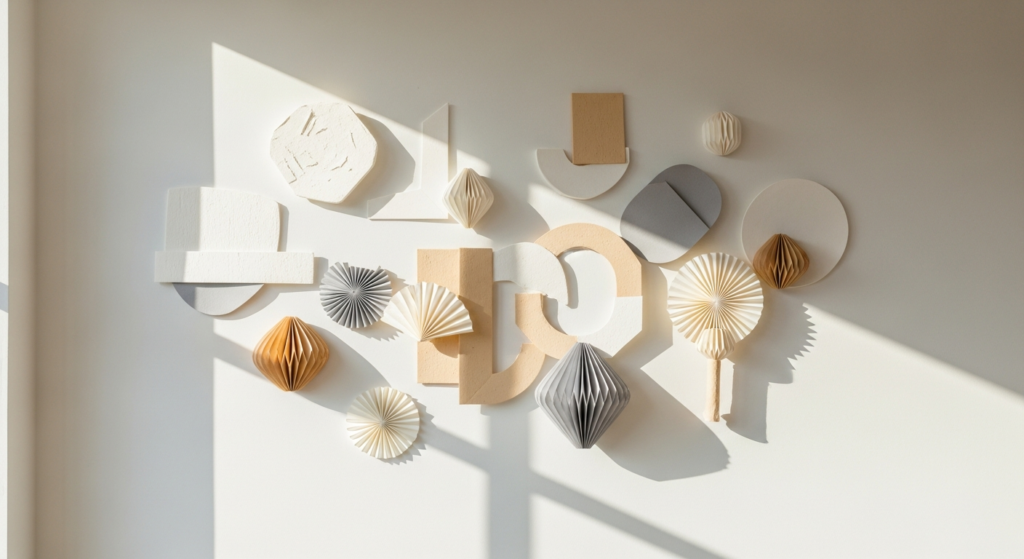
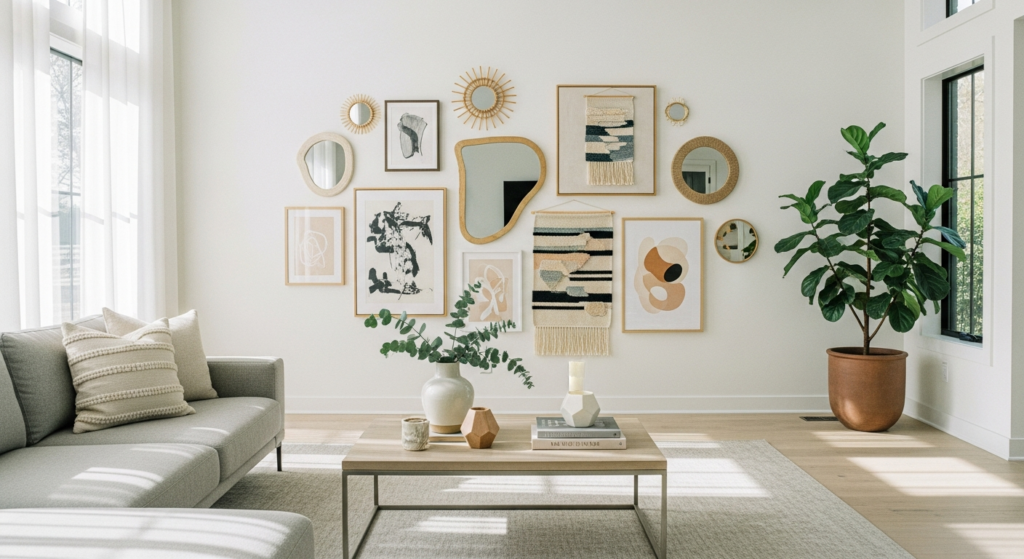
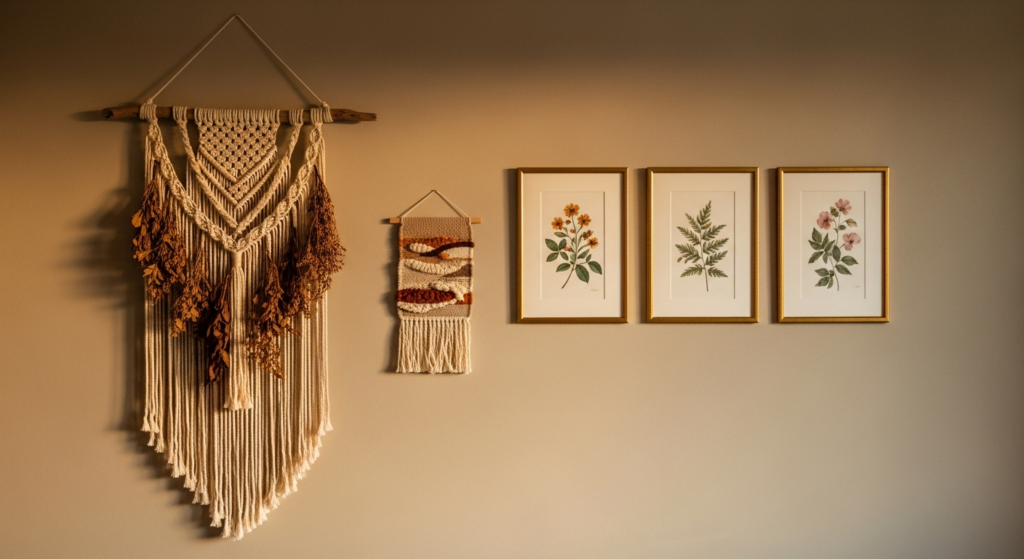
6. Add Statement Wall Art
Art brings personality and depth to your home.
It transforms blank walls into expressive design features.
Styling Tips:
- Create a gallery wall with balanced spacing
- Use frames that complement your decor
- Align artwork with eye level for impact
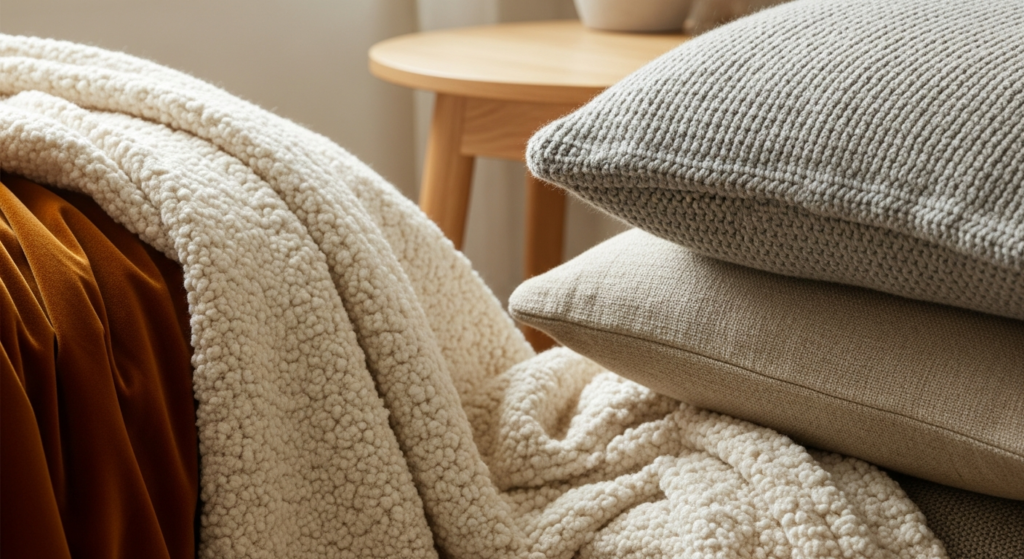
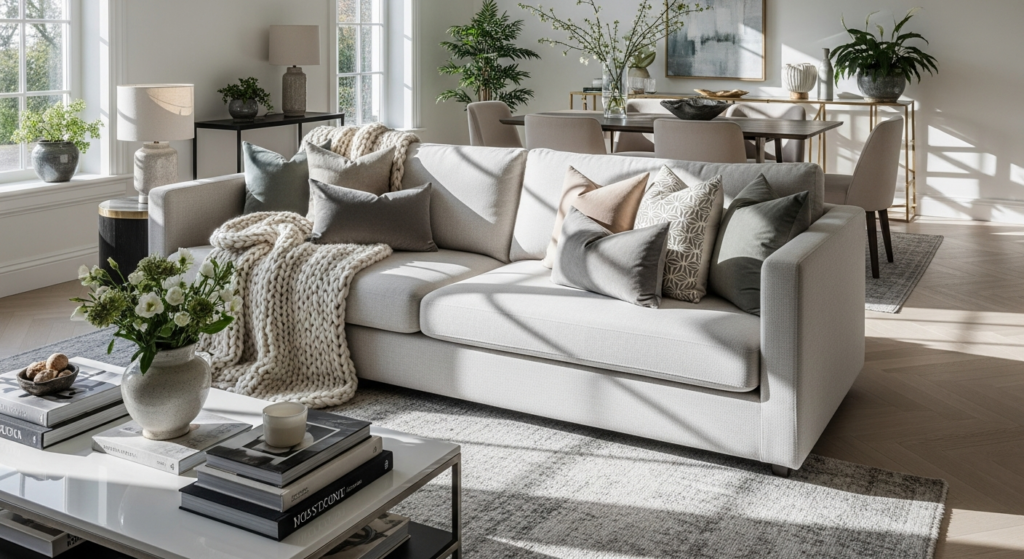
7. Mix Textures for a Rich Look
Texture creates visual interest and warmth.
Combining materials adds dimension without overwhelming the space.
Styling Tips:
- Blend soft fabrics with hard surfaces
- Use throws, cushions, and rugs
- Keep a consistent color palette
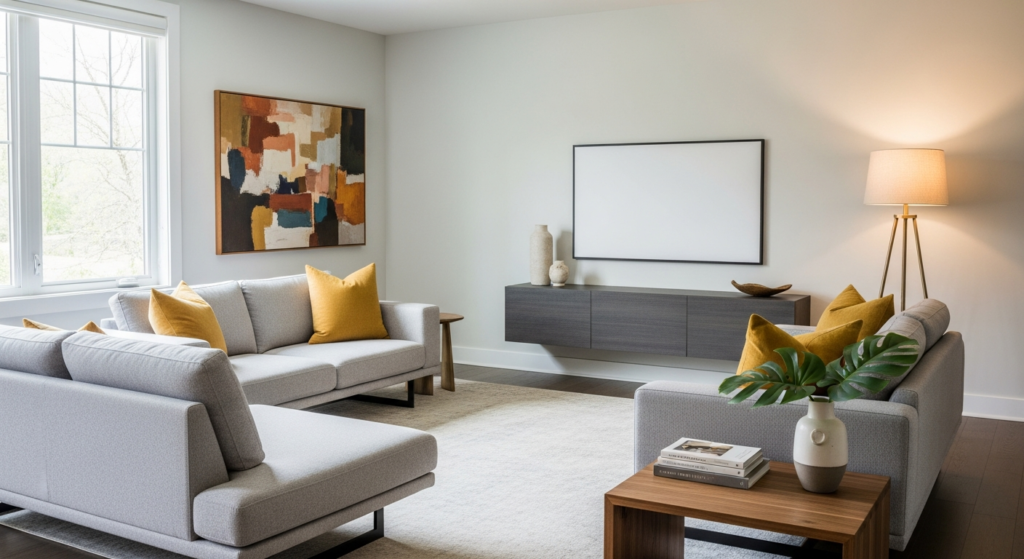
8. Choose Functional Yet Stylish Furniture
Furniture should be both beautiful and practical.
Well-chosen pieces enhance comfort while maintaining elegance.
Styling Tips:
- Opt for multi-functional furniture
- Keep proportions balanced
- Avoid overcrowding the room
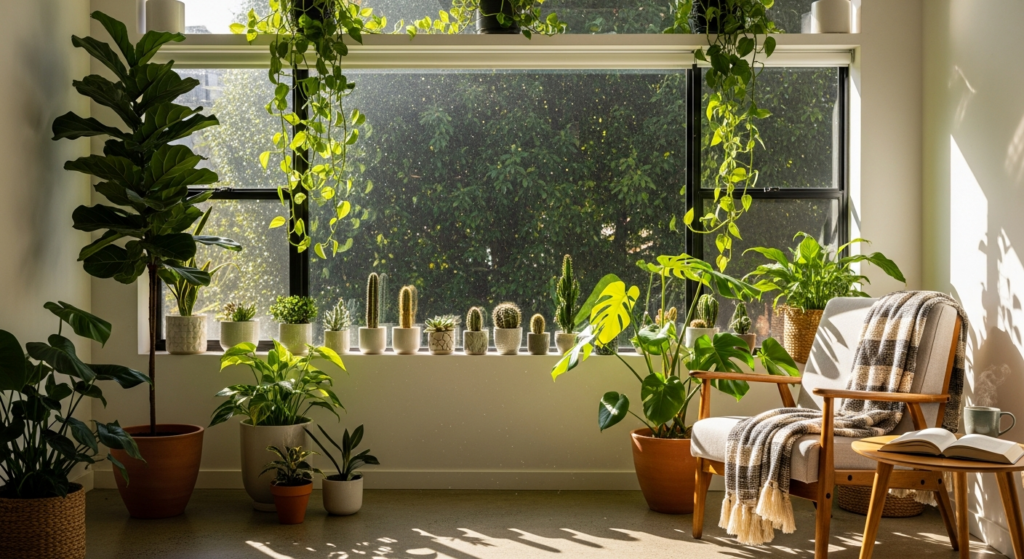
9. Add Greenery for Freshness
Plants breathe life into interiors.
They enhance both aesthetics and well-being.
Styling Tips:
- Use indoor plants of varying heights
- Place near natural light sources
- Choose simple, modern planters
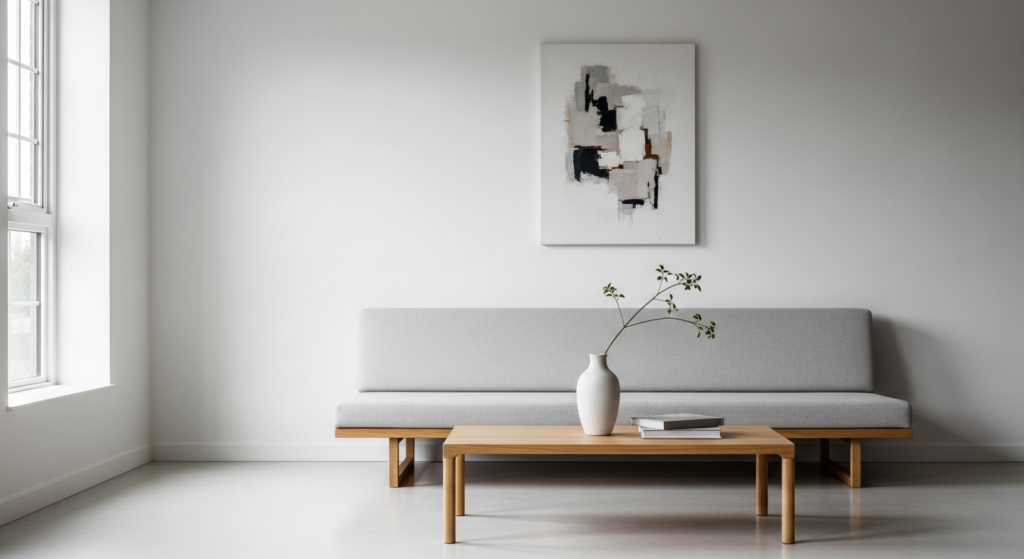
10. Keep Decor Minimal and Intentional
A clutter-free space feels more refined and calming.
Minimal decor allows each element to stand out.
Styling Tips:
- Display a few curated pieces
- Maintain clean surfaces
- Focus on quality over quantity
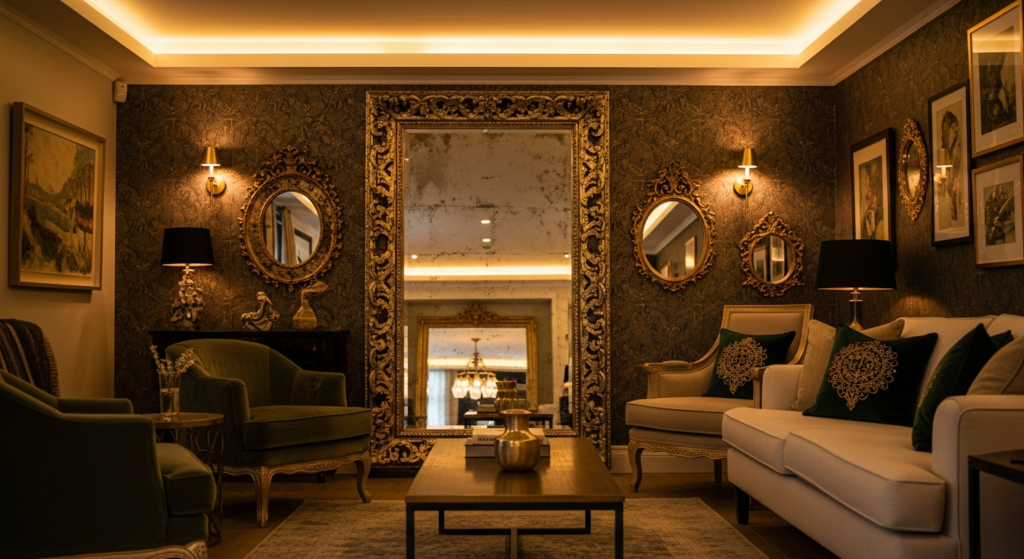
11. Introduce Subtle Luxury Accents
Small details can elevate the entire home.
Luxury lies in finishes, textures, and thoughtful styling.
Styling Tips:
- Use metallic accents like gold or brass
- Add mirrors to enhance light
- Incorporate soft, ambient lighting
Conclusion
House decorating is about creating a space that feels both beautiful and functional. By focusing on thoughtful layouts, balanced textures, and refined details, you can design a home that reflects timeless elegance. These ideas offer a harmonious blend of modern trends and classic principles, helping you transform your living space into a stunning and inviting sanctuary.
FAQs
1. What are the best house decorating ideas for beginners?
Start with neutral colors, simple furniture, and minimal decor while focusing on lighting and textures.
2. How can I make my home look more luxurious on a budget?
Use soft lighting, add mirrors, incorporate textures, and choose a cohesive color palette.
3. What colors are best for home decoration?
Neutral tones like white, beige, and grey work well for a timeless and versatile look.
4. How do I decorate a small house effectively?
Use light colors, multi-functional furniture, and minimal decor to maximize space.
5. Why is texture important in interior design?
Texture adds depth, warmth, and visual interest, making spaces feel more dynamic and inviting.