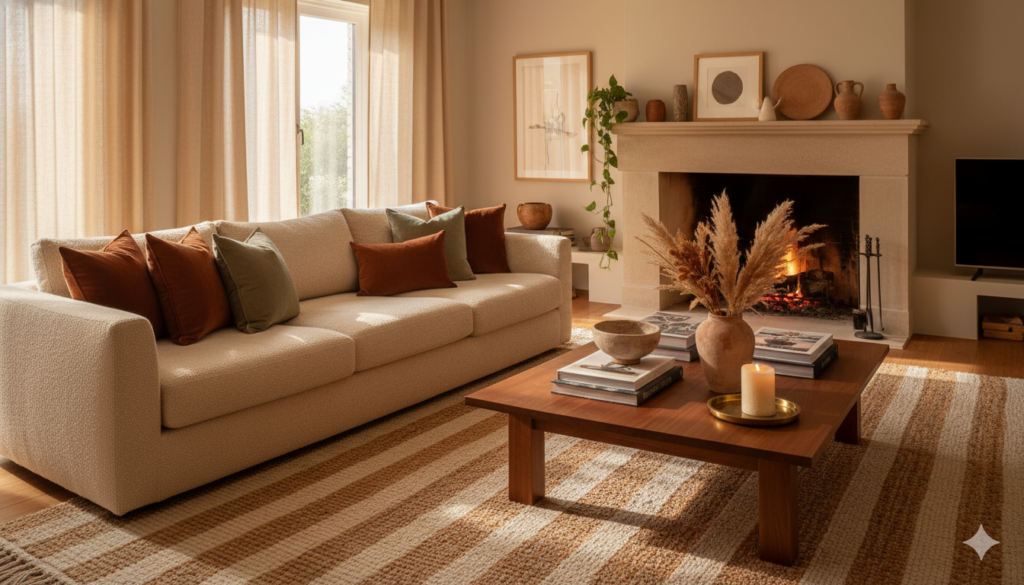
Introduction
Close your eyes for a moment and picture the living room of your dreams. Chances are it isn’t cold, stark, or perfectly sterile. It is warm. It is layered. It is the kind of room where you want to sink into the sofa, pull a throw across your lap, and stay for hours.
Cozy living room design is not a trend — it is a fundamental human longing. We are drawn instinctively toward warmth, softness, natural light, and spaces that make us feel held rather than exposed. The best living rooms in the world achieve this feeling through a deliberate accumulation of choices: the right textures, the right palette, the right quality of light, and the right balance between fullness and space.
Whether you are starting from a blank canvas or refreshing a room that has never quite felt right, these 15 cozy living room design ideas will guide you toward a space that is genuinely, deeply inviting — not just in photographs, but in lived experience.
Welcome home.
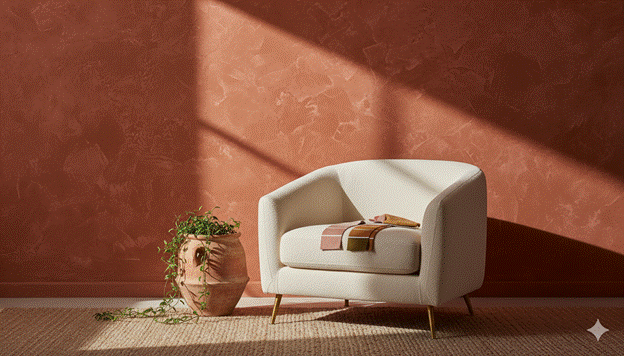
1. Choose a Warm, Enveloping Colour Palette
Colour is the single most immediate communicator of mood in any room. In a cozy living room, colour works not just visually but emotionally — wrapping the space in warmth before a single piece of furniture has been chosen.
The most reliably cozy palettes draw from the earth: warm whites and creamy ivories, deep terracotta and burnt sienna, dusty sage and warm olive, soft caramel and biscuit, and the whole family of warm greys that lean amber rather than blue. These tones catch light in the way that cold, stark colours never do — they glow at golden hour, deepen beautifully in candlelight, and feel genuinely nurturing throughout the day.
You do not need to use all of these tones at once. Choose one anchor colour — the dominant tone that covers the most surface area — and build around it with two or three complementary shades and one or two deeper accent tones. Consistency and restraint are what separate a considered palette from a chaotic one.
| ✦ Styling Tip: Paint a single test panel at least 60cm x 60cm and observe it across the full day and evening — in morning light, afternoon sun, and lamplight. Colours behave entirely differently across these conditions, and what looks perfect in the paint shop may disappoint at dusk. |
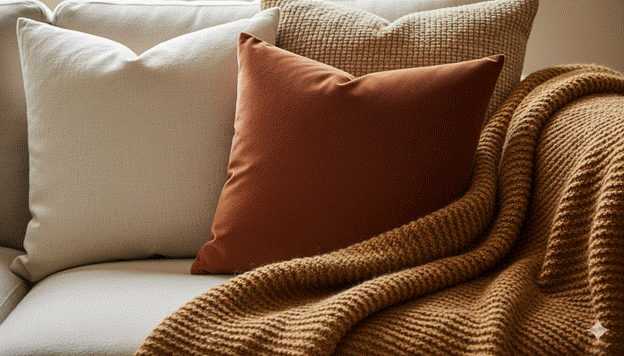
2. Layer Soft Textiles for Sensory Warmth
If colour is the visual foundation of a cozy living room, textiles are its physical soul. Nothing communicates warmth and comfort more immediately than the presence of beautiful, layered soft furnishings — cushions, throws, rugs, and upholstery that invite touch as much as they reward the eye.
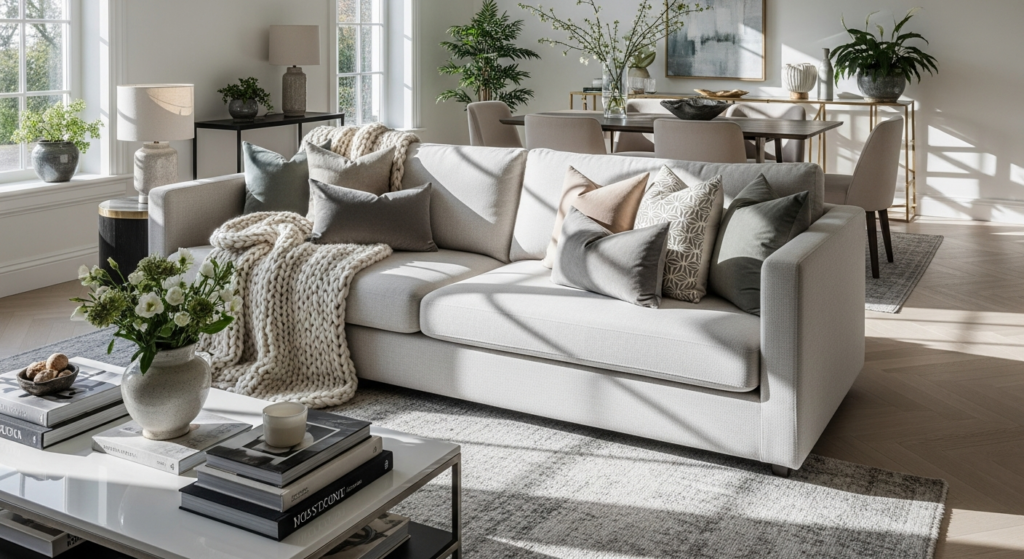
Build your textile palette in layers. Start with your largest upholstered pieces — sofa and armchairs — in a durable yet beautiful fabric: linen, cotton-velvet, boucle, or a soft wool blend. From there, layer in cushions in a mix of textures: smooth velvet alongside nubby boucle, woven cotton alongside silky jacquard. Add a throw or two draped with apparent effortlessness — one folded over a sofa arm, one tumbled into a basket beside the fireplace.
On the floor, a generous wool or shaggy rug unifies the seating arrangement and adds a layer of physical warmth underfoot that transforms how the entire room feels, particularly in cooler months.
| ✦ Styling Tip: Vary your textile weight seasonally. In autumn and winter, layer heavier wool throws, deep velvet cushions, and thick rugs. In spring and summer, swap to lighter linen throws, cotton cushions, and flatweave rugs. Same room, entirely different feeling. |
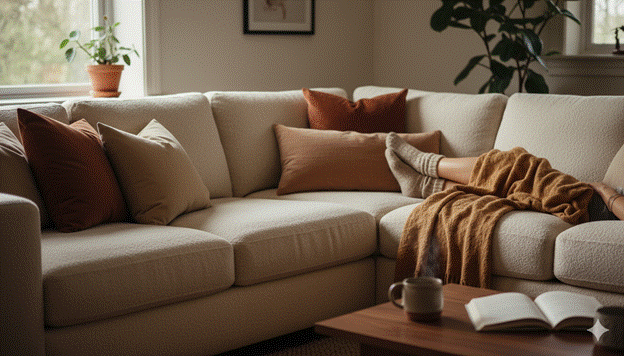
3. Invest in a Deep, Generous Sofa
The sofa is the emotional centrepiece of the living room. It is where life happens — morning coffee, afternoon reading, evening films, long conversations that stretch past midnight. In a cozy living room, the sofa is not merely a piece of furniture; it is an invitation.
When choosing a sofa for a cozy space, prioritise depth and softness above all else. A deep seat — at least 90cm from front to back — allows you to tuck your legs up and truly recline. Feather-wrap cushions, down-filled back cushions, and soft upholstery in linen, velvet, or boucle all contribute to a sofa that feels enveloping rather than merely supportive.
Consider a corner sofa or an L-shaped configuration for maximum cozy impact — the wraparound form creates a natural gathering point, an interior room within the room, where everyone is oriented toward the centre rather than lined up along opposite walls.
| ✦ Styling Tip: If your sofa is looking tired but structurally sound, re-cover or replace the cushion inserts with premium feather-and-down pads. It costs a fraction of a new sofa and transforms both the look and the feel of the piece immediately. |
4. Design Around a Focal Point — Fireplace or Feature Wall
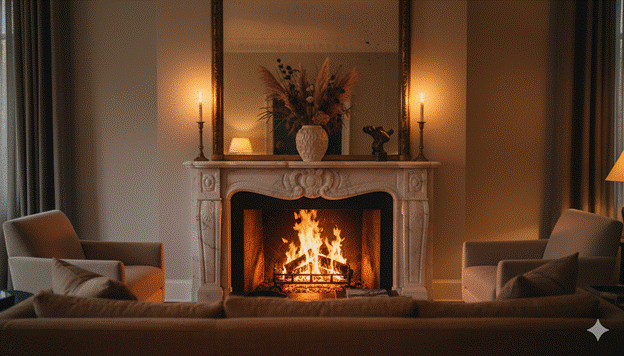
Every memorable living room has a focal point — a visual anchor that the eye moves toward naturally upon entering the room and that the furniture arrangement instinctively faces. In cozy living room design, the fireplace is the undisputed king of focal points: it offers warmth, flickering light, and a primal sense of gathering that no other design element can replicate.
If you are fortunate enough to have a working fireplace or wood-burning stove, arrange your seating to face it and treat the surround with the decorative attention it deserves. A beautifully styled mantelpiece — with a large mirror or artwork above, flanked by candles, plants, and carefully chosen objects — becomes the visual heart of the room.
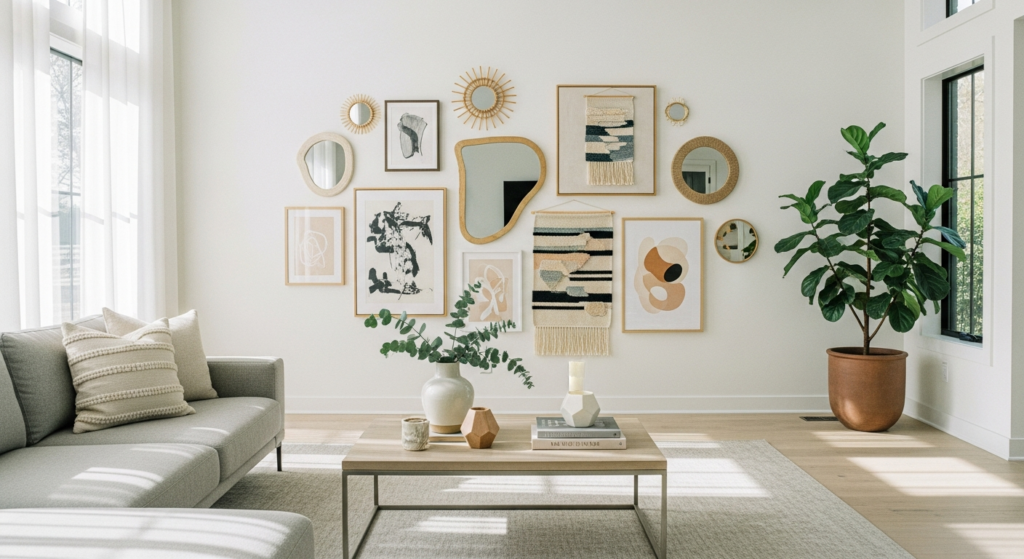
Without a fireplace, create a focal point through a feature wall: deep paint or limewash in a rich tone, a dramatic gallery wall, a large-scale artwork, or a wall-mounted shelving installation. The principle is the same — give the eye somewhere purposeful and beautiful to rest.
| ✦ Styling Tip: If you don’t have a working fireplace, a well-styled fireplace surround with a stack of pillar candles inside creates the warmth and atmosphere of a real fire at a fraction of the cost. Add a large mirror above to amplify the effect. |
5. Build a Layered Lighting Scheme
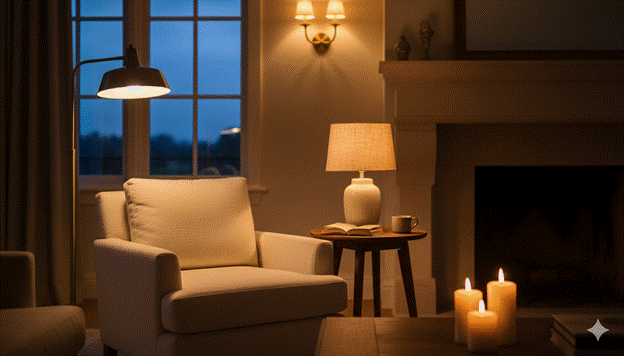
Of all the elements that contribute to a cozy living room, lighting is simultaneously the most powerful and the most consistently underestimated. A room lit exclusively by overhead fixtures — regardless of how beautifully it is furnished — will never achieve true coziness. The problem is directionality: light that comes only from above flattens the room, eliminates shadow, and creates the quality of light found in offices and waiting rooms rather than warm, intimate homes.
The solution is layering. In a cozy living room, light should come from multiple sources at multiple heights: a floor lamp beside the sofa, table lamps on side tables and the console, wall sconces flanking the fireplace or artwork, and perhaps candles on the coffee table for evening ambiance. Together, these sources create pools of warm light that give the room depth, shadow, and an intimate, enveloping quality.
Every light source should operate on a dimmer switch where possible. The ability to reduce light intensity throughout the evening — from bright and social to soft and intimate — is one of the simplest and most effective tools in cozy living room design.
| ✦ Styling Tip: Replace every bulb in your living room with warm white at 2700K and switch to dimmable fittings. This single change — costing very little — has a more immediate impact on atmosphere than almost any decorative purchase you could make. |
6. Introduce the Natural Warmth of Wood
Wood is the most naturally cozy material in the interior designer’s palette. Its grain, warmth, and organic variation connect a living room to the natural world in a way that immediately makes the space feel grounded, authentic, and alive.
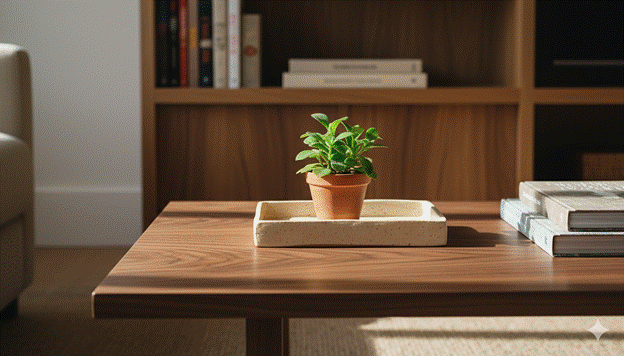
Introduce wood across multiple surfaces and elements for maximum warmth. A coffee table in walnut, oak, or reclaimed timber sits at the centre of the seating arrangement, anchoring the space with weight and texture. Wooden shelving, panelling, or a beam ceiling adds architectural warmth that paint alone can never achieve. A side table, a lamp base, a picture frame, a decorative bowl — each small wooden element contributes to the accumulated warmth of the room.
Oak is perennially beautiful and works across every interior style from modern to traditional. Walnut brings depth and richness that few materials can match. Reclaimed and weathered timbers add history and character. Choose the species and finish that best complements your palette, and let the material’s natural beauty do the work.
| ✦ Styling Tip: Mix wood tones freely — you do not need to match every wooden element in the room. A walnut coffee table beside a light oak floor beside a darker mahogany side table reads as rich and layered rather than mismatched, provided the pieces share a warm undertone. |
7. Add the Living Quality of Indoor Plants
A living room without plants is a living room missing one of its most vital ingredients. Plants bring movement, organic texture, and the subtle sense that a space is breathing — qualities that contribute enormously to the cozy, layered feeling that the best living rooms possess.
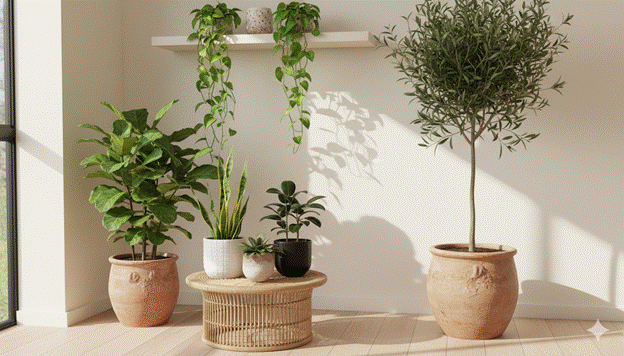
In cozy living room design, plants work best when layered across multiple heights and positions. A tall olive tree or fiddle leaf fig in a generous terracotta pot anchors a corner with natural grandeur. A trailing pothos cascading from a high shelf adds movement and softness. A cluster of smaller plants — succulents, aloe, small ferns — grouped on a windowsill or side table brings detail and intimacy.
Choose pots that complement your palette. Unglazed terracotta is eternally beautiful in warm-toned rooms. Speckled or matte ceramic in dusty sage, warm beige, or charcoal adds an artisan quality. Woven rattan and jute baskets bring texture and a softness that plastic and glazed ceramic containers simply cannot match.
| ✦ Styling Tip: A large-scale plant in a beautiful oversized pot makes a far stronger decorative impact than several small plants scattered randomly around the room. When in doubt, go bigger, fewer, and more deliberately placed. |
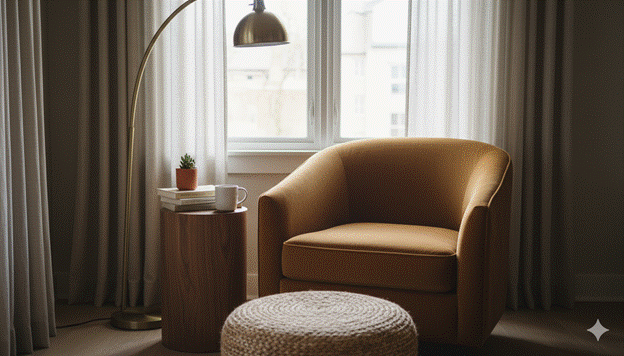
8. Style a Cozy Reading Nook or Armchair Corner
There is something profoundly cozy about a dedicated reading corner — a space within the space, designed specifically for quiet, solitary comfort. In a living room, a beautifully styled reading nook signals that this is a home where slowness and pleasure are valued alongside practicality.
Create your reading corner with a deep, comfortable armchair — a wingback for traditional warmth, a curved tub chair for modern softness, or a generous slipper chair for elegant simplicity. Position it near a window for natural reading light, and place a floor lamp beside it for evenings. Add a small side table for a cup of tea and a current read, and a footstool or pouffe at the foot for long afternoon sessions.
Layer the chair with a cushion and a throw. Add a small plant to the side table or the windowsill nearby. The reading corner should feel discovered rather than designed — intimate, personal, and slightly removed from the main social area of the room.
| ✦ Styling Tip: If space is limited, use a corner of the room that currently serves no purpose. Even a 90cm-square area is sufficient for a small armchair, a floor lamp, and a side table — and the impact on the coziness and functionality of the room is entirely disproportionate to the space required. |
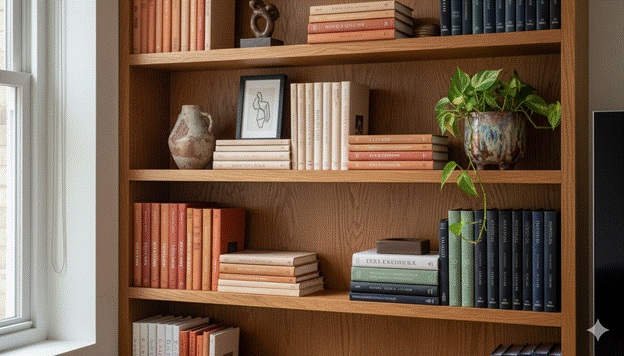
9. Curate Meaningful Shelving and Vignette Displays
Shelves in a cozy living room are not storage — they are storytelling. A beautifully curated shelf display communicates who lives in a home, what they love, and how they see the world. It is one of the most personal and most visually rewarding aspects of interior design.
The principles of a beautiful shelf arrangement are consistent: vary the height of objects, alternate between horizontal and vertical stacks, mix books with decorative objects with living plants, and leave breathing room — never fill every inch of available space. The negative space between objects is what makes those objects feel precious.
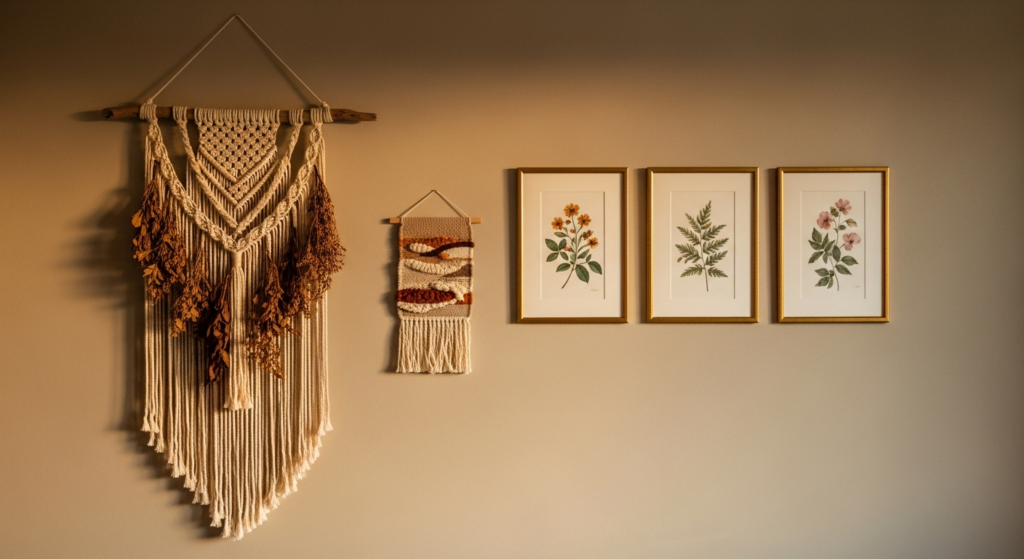
In cozy living rooms, lean toward objects with organic shapes and natural materials: hand-thrown ceramics, wooden sculptures, woven baskets, dried botanicals in ceramic vases, stone bookends, and vintage glassware. These tactile, imperfect objects create warmth that mass-produced items simply cannot. Layer in books with beautiful spines, small framed photographs, and one or two objects of genuine personal significance.
| ✦ Styling Tip: Edit your shelf display down to 60% of what feels right, then stop. It will always look better with less. The objects that remain will appear more considered, more intentional, and infinitely more beautiful than when they were competing for attention. |
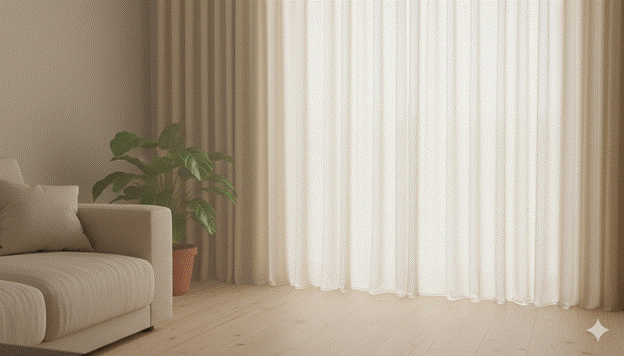
10. Use Window Treatments to Frame Light and Add Softness
Windows are the living room’s connection to the natural world — and how you dress them determines not only how much light enters the room, but the quality, colour, and mood of that light. In cozy living room design, window treatments are one of the highest-impact, most underinvested elements.
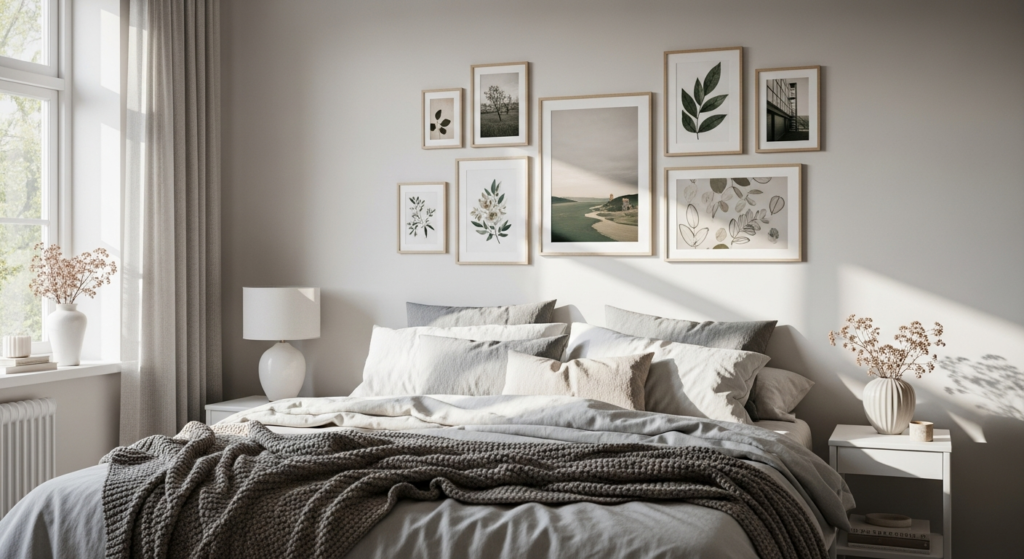
Linen curtains in warm ivory, dusty blush, or sage green soften the light beautifully as it passes through, casting the room in a gentle, diffused warmth that is enormously flattering to both furnishings and faces. Hang your curtain rod as close to the ceiling as possible and let the fabric pool slightly on the floor for a sense of easy, luxurious abundance.
For additional light control and privacy without sacrificing softness, layer sheer curtains beneath heavier drapes. Roman blinds in linen or cotton provide a cleaner architectural look while still introducing warmth and texture. The key in every case is to choose natural fabrics in warm tones rather than synthetic materials in cool or stark shades.
| ✦ Styling Tip: Pre-wash your linen curtains before hanging. This relaxes the fibres, creates the naturally soft, slightly rumpled drape that is the hallmark of the most beautiful linen interiors, and removes any stiffness from the manufacturing process. |
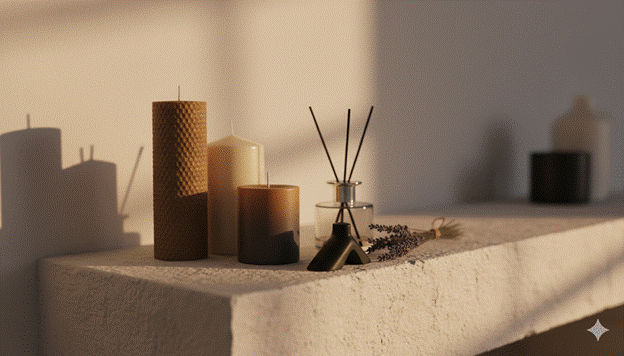
11. Incorporate Candles and Ambient Scent
Coziness is not purely visual — it is profoundly sensory. A living room that looks warm but smells of nothing, or worse, smells clinical, will never fully achieve the atmosphere it reaches for. Candles and ambient scent are among the most immediate and effective ways to create a living room that is felt as deeply as it is seen.
Candles bring two gifts simultaneously: warm, flickering light and beautiful fragrance. A cluster of pillar candles in varying heights on the coffee table or mantelpiece creates an intimate, golden glow that no electric light can replicate. Choose candles in fragrances that evoke warmth and comfort — sandalwood, vetiver, amber, cedar, fig, or vanilla — and allow the scent to become a signature of the space.
Beyond candles, consider a diffuser or room spray for daily ambient scent without the need for an open flame. Style your candle arrangements as carefully as any other vignette — a marble tray, a cluster of three heights, a dried botanical nearby — and treat them as decorative objects in their own right.
| ✦ Styling Tip: Use the same signature scent consistently in your living room. Over time, arriving home to that particular fragrance creates a powerful olfactory association with comfort and belonging — one of the most intimate and lasting ways to make a space feel truly yours. |
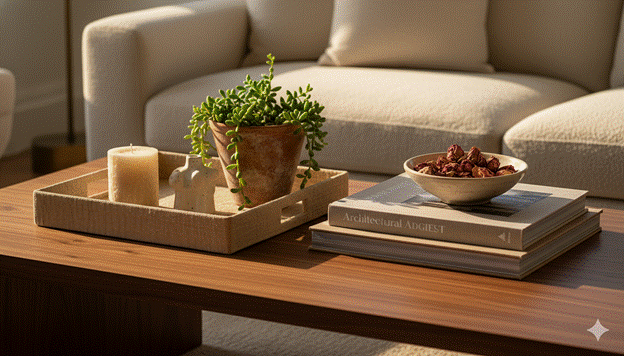
12. Style a Coffee Table That Invites Interaction
The coffee table sits at the heart of the living room’s social life. It holds books and drinks, supports conversations and candles, and frames the entire seating arrangement from the inside out. A beautifully styled coffee table elevates the feeling of the entire room — and a cluttered, unstyled one undermines it.
Begin with scale. Choose a coffee table that is proportionate to your sofa — roughly two-thirds the length of the sofa, and at a comfortable height for both reach and visual balance. In cozy living rooms, natural materials work particularly well: a chunky wood slab, a stone-top table on iron legs, or a wicker and glass combination all bring warmth and organic texture.
Style the surface in a composed but relaxed manner. A stack of beautiful hardcover books forms the base. A ceramic bowl, a small sculptural object, or a tray with a candle and a small plant build upward. Leave at least a third of the surface clear at all times — this preserved breathing space is what separates a styled table from a crowded one.
| ✦ Styling Tip: Add a decorative tray to one section of your coffee table to create a defined zone for objects. This instantly makes the styling feel composed and intentional, and gives you an easy way to clear the surface for drinks and snacks without dismantling the display. |
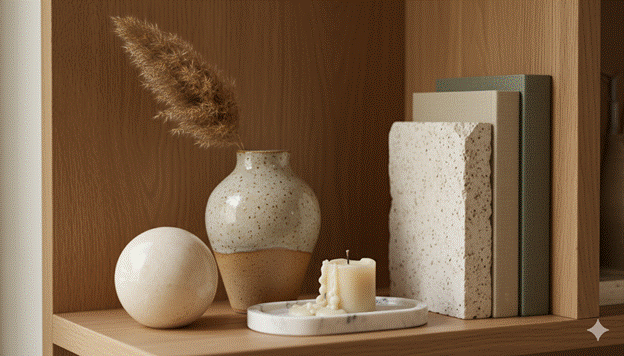
13. Work with Natural Stone and Ceramic Accents
Natural stone and handcrafted ceramics bring an irreplaceable quality to cozy living room design. These are materials formed by the earth — imperfect, unique, weighted with a sense of permanence — and their presence in a room creates a depth and authenticity that manufactured alternatives simply cannot achieve.
Introduce stone through functional objects that become decorative ones: a marble coffee table, a slate tray, a travertine candle holder, or a simple stone sphere sitting on a shelf. Each piece carries the natural variation, veining, and texture of the material it came from, ensuring that no two rooms using the same stone elements will ever look exactly alike.
Handthrown ceramics deserve particular attention in cozy interiors. The slight irregularity of a hand-shaped vase, the organic glaze variation of a studio bowl, the quiet weight of a hand-poured candle jar — these objects feel made with intention and care, and they bring that quality into the rooms they inhabit.
| ✦ Styling Tip: Visit local ceramic artists and makers markets when building your object collection. Pieces with a provenance — a maker’s name, a place of origin, a story — carry an emotional warmth that mass-produced decorative objects, however beautiful, rarely possess. |
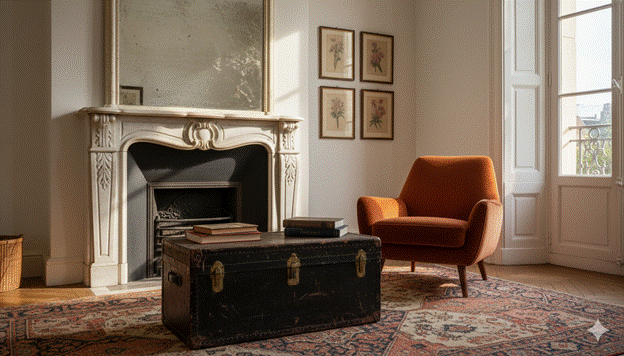
14. Embrace Imperfection with Vintage and Antique Finds
The most characterful cozy living rooms are never entirely new. They have been built over time, layer by layer, with pieces that carry history — vintage finds, inherited objects, antique textiles, and secondhand discoveries that bring the weight and warmth of lived experience into the space.
A vintage kilim rug anchoring the seating area. A 1960s armchair reupholstered in a contemporary fabric. An antique mirror above the fireplace, its glass foxed with age. A collection of vintage ceramics on the shelf. A worn leather trunk serving as a coffee table. These elements connect a living room to something larger than the present moment — a continuum of human making and living — and that connection is what gives truly cozy rooms their depth.
The imperfections of vintage and antique pieces — the crazing in old pottery, the patina on brass, the fading in vintage textiles — are not flaws to be overcome. They are the evidence of use and time, and they are precisely what makes these objects beautiful.
| ✦ Styling Tip: When mixing vintage and new pieces, follow the 70/30 rule: 70% of your room in a cohesive contemporary palette, 30% vintage or antique finds. This ratio creates character and depth without tipping into the eccentric or the museum-like. |
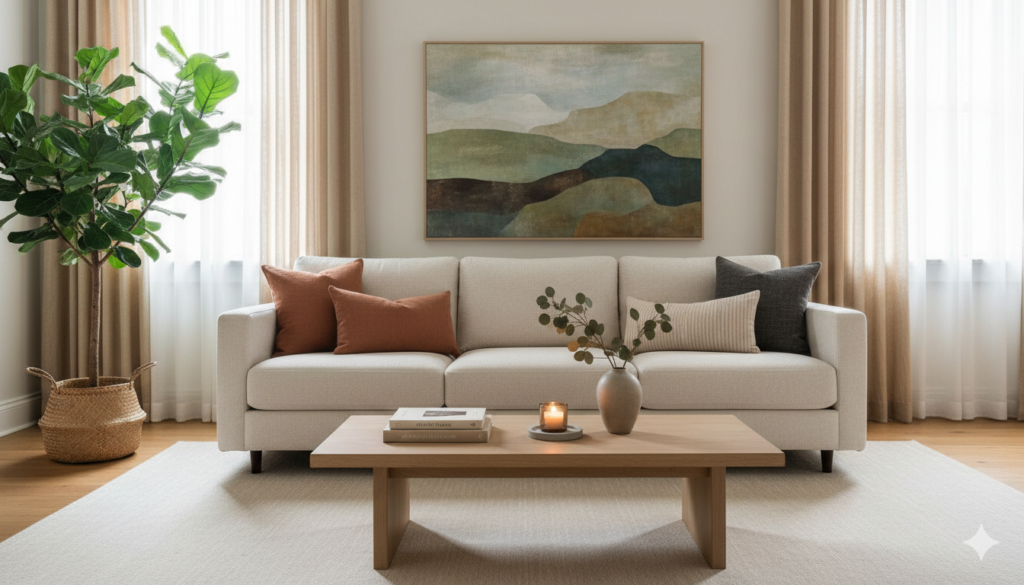
15. Edit with Intention — Cozy is Curated, Not Cluttered
There is a crucial distinction between cozy and cluttered — one that separates genuinely beautiful warm interiors from rooms that feel simply overwhelming. Cozy is achieved through deliberate accumulation: every layer, every object, every textile earning its place and contributing to the whole. Cluttered is what happens when accumulation goes unchecked, when objects are added without removal, when surfaces fill without purpose.
The most cozy living rooms are not minimal — they are edited. They contain many layers and many elements, but each one has been chosen with intention and placed with care. The shelves are full but composed. The sofa is layered but balanced. The coffee table is styled but not crowded. This quality of intentional fullness — rich but never overwhelming — is the ultimate goal of cozy living room design.
Review your living room regularly with a fresh eye. Walk in as though seeing it for the first time and ask honestly: does this object add warmth and beauty, or does it create visual noise? Everything that creates noise without contributing warmth is a candidate for removal. What remains will shine more brightly in its absence.
| ✦ Styling Tip: Photograph your living room with your phone, then examine the image. The camera’s objectivity reveals what the familiar eye misses — overcrowded surfaces, visual chaos, objects that jar with the palette. Use these images as your editing guide. |
Conclusion
A cozy living room is not a single decision or a one-weekend project. It is a room that grows richer over time — as layers are added thoughtfully, as objects are edited ruthlessly, as light is understood more deeply, and as the balance between fullness and breathing space is found and held.
The 15 ideas in this guide are not a prescriptive formula. They are principles — flexible, adaptable, and deeply personal in their application. Begin with the idea that feels most urgent in your own space. Perhaps your room is missing warmth in its palette. Perhaps it has never had a proper lighting scheme. Perhaps the sofa is too small for the life you want to live in it.
Begin there. Layer gradually. Edit regularly. And trust the process of building a room that doesn’t just look beautiful in a single photograph, but feels genuinely, deeply, profoundly like home.
Frequently Asked Questions — Cozy Living Room Design
Q: What makes a living room feel cozy?
A: Coziness is created by the layering of warm colours, soft textiles, natural materials, low ambient lighting, and personal objects that carry meaning. No single element achieves it alone — it is the accumulated effect of many deliberate choices working in harmony.
Q: What are the best colours for a cozy living room?
A: Warm whites and creams, dusty terracotta and burnt orange, deep olive and sage green, caramel and warm grey all create reliably cozy atmospheres. The key is to choose tones with warm — amber or red — undertones rather than cool or blue-leaning shades.
Q: How do I make a small living room feel cozy without making it feel cramped?
A: Use a warm, light palette to keep the space feeling open, invest in one generous sofa rather than multiple smaller pieces, hang floor-to-ceiling curtains to add visual height, use mirrors to expand the sense of space, and keep surfaces curated rather than filled.
Q: What lighting is best for a cozy living room?
A: Layered warm-white lighting at multiple heights is the key. Combine floor lamps, table lamps, wall sconces, and candles on dimmer switches. Avoid relying solely on overhead lighting, which flattens a room and eliminates the shadows and warmth that make living rooms feel intimate.
Q: What are the most important furniture pieces for a cozy living room?
A: A deep, generous sofa with quality cushion filling is the single most important investment. From there, a textured rug that grounds the seating arrangement, a coffee table with natural warmth, and a comfortable armchair for a reading corner are the pieces that most reliably create a cozy, inviting living room.